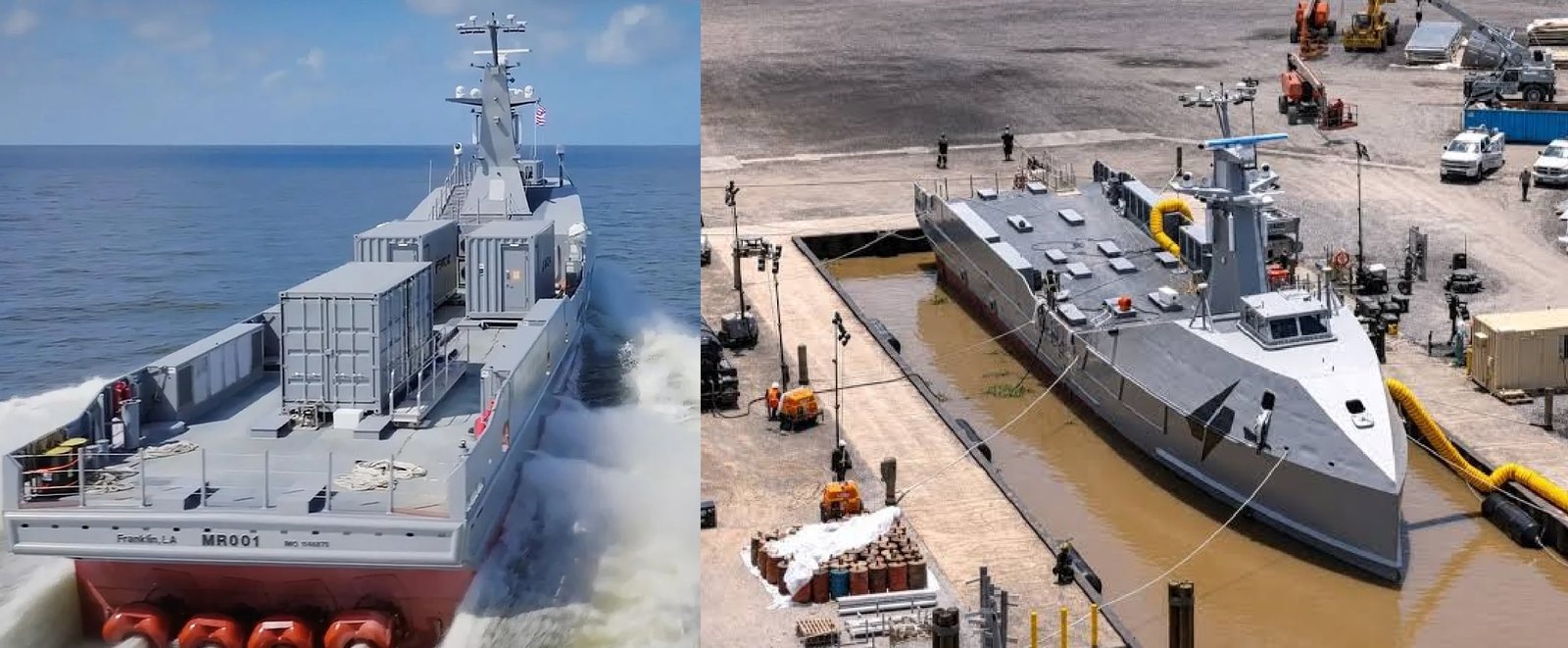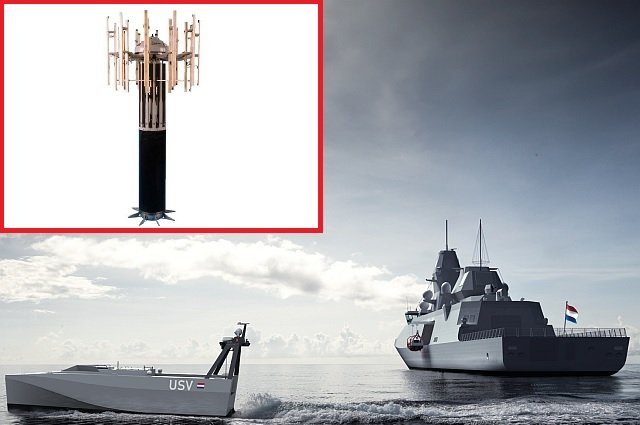
ROTTERDAM — The Netherlands has officially started the design phase for a new fleet of 12-metre unmanned surface vessels (USVs) that will operate with the Royal Netherlands Navy's future anti-submarine warfare (ASW) frigates. The vessels are intended to expand underwater surveillance, improve submarine detection, and strengthen the navy's anti-submarine warfare capabilities.
The agreement to begin the design work was signed in Rotterdam on July 29 by representatives of the Dutch Ministry of Defence, Dutch Naval Design (DND), and defense company Thales. The project follows a framework agreement signed on April 10, 2024, which established the initial requirements for the vessels and outlined a four-year roadmap toward technological readiness.
The design phase is expected to conclude in the first quarter of 2027.
Designed to Support Future ASW Frigates
Under the program, each new Royal Netherlands Navy ASW frigate will carry one 12-metre unmanned surface vessel in its mission bay. The USVs will be deployed and recovered using a dedicated cradle-type launch and recovery system.
The vessels are being developed to extend the frigates' underwater surveillance range while allowing them to detect and track hostile submarines from greater distances. According to the Dutch Ministry of Defence, this approach is expected to improve reaction times while reducing the need for crewed warships to operate close to potential submarine threats.
The unmanned vessels are also expected to support deterrence operations in areas with increased submarine activity.
Compact Flash Sonar to Be Integrated
A central element of the project is the integration of the Compact Flash dipping sonar produced by Thales Underwater Systems France. A separate agreement covering the delivery of the sonar systems was signed alongside the vessel design contract.
By deploying the sonar from an unmanned platform, the Royal Netherlands Navy will be able to expand its underwater surveillance area while helping the crewed frigate avoid revealing its own position. The ministry said the capability will allow frigates to search for and track submarines from greater stand-off distances.
Long-Endurance Operations
The Dutch Ministry of Defence said the new USVs are expected to have a minimum operating endurance of at least 96 hours, enabling them to conduct extended anti-submarine warfare and deterrence missions.
The ministry also noted that the distributed operating concept will allow the unmanned vessels to perform several tasks traditionally carried out by embarked helicopters. Officials expect this approach to improve operational efficiency while increasing the fleet's underwater surveillance coverage.
Dutch Naval Design to Lead Development
The design work has been awarded to Dutch Naval Design (DND), a partnership that brings together government organizations, industry, universities, and research institutions.
The proposal was submitted by participating organizations operating under the USV Alliance consortium. Companies involved in the wider effort are also contributing model-based systems engineering and cybersecurity support as part of the design process.
Part of the Netherlands-Belgium ASW Frigate Program
The unmanned vessels form part of the broader Anti-Submarine Warfare Frigate (ASWF) program, a joint procurement initiative between the Royal Netherlands Navy and the Belgian Navy to replace their aging M-class multi-purpose frigates. The frigates themselves are being constructed by Dutch shipbuilder Damen.
The Dutch Ministry of Defence said the USVs will contribute to the future anti-submarine warfare capabilities shared by both countries and reflect the growing role of unmanned systems in modern naval operations.
Belgium's Position Remains Unchanged
Belgium's defence minister recently criticized aspects of the wider frigate program, citing delays, cost increases, and design changes, and suggested the possibility of seeking alternatives to Damen for shipbuilding.
However, the Dutch Ministry of Defence's announcement launching the USV design phase did not indicate any change to Belgium's participation in either the unmanned vessel project or the broader joint anti-submarine warfare program.
——— End of Article ———