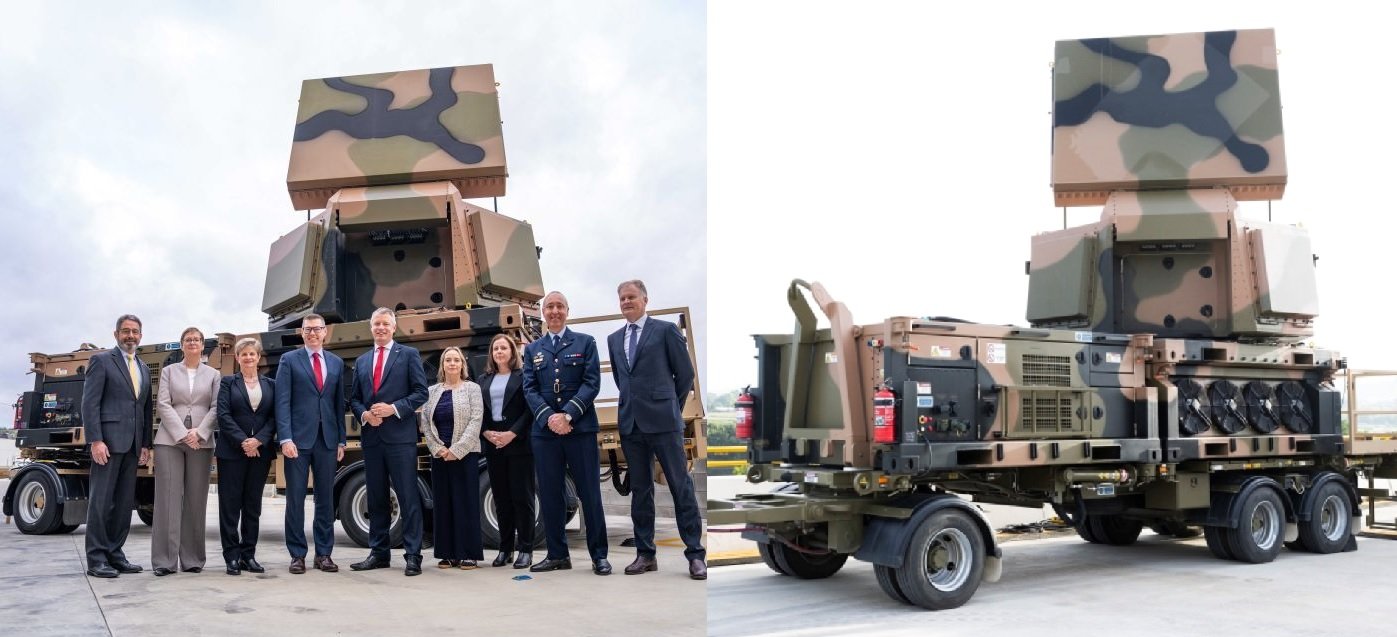
CANBERRA, Australia — The United Kingdom and Australia are strengthening defence-industry cooperation over the potential adoption of Australian Active Electronically Scanned Array (AESA) radar technology for UK frontline forces.
A Statement of Intent involving the UK Ministry of Defence, the Australian Department of Defence, British defence company QinetiQ and Canberra-based CEA Technologies was signed at the CEA Technologies facility in Canberra. The signing was attended by UK Minister for Defence Readiness and Industry Luke Pollard and Australian Minister for Defence Industry Pat Conroy.
The agreement builds on commitments made during the Australia-UK Ministerial Consultations (AUKMIN) in June. At those talks, the two governments announced a Government-to-Government Project Arrangement to advance cooperation on AESA radar capabilities supplied by CEA Technologies, including the possibility of jointly developing and producing CEA systems.
QinetiQ to support UK integration and testing
Under the new framework, QinetiQ will support the integration, testing and assurance of CEA radar technology across the UK defence enterprise.
The company will provide technical expertise as the two countries assess potential opportunities for using the Australian radar technology in UK systems. The statement does not identify specific UK platforms or military branches that would receive the radar.
“Today, we are deepening our industrial cooperation with Australia on cutting-edge radar technologies,” Luke Pollard said. He said combining QinetiQ’s expertise with CEA’s radar technology could strengthen the readiness of both countries while supporting their defence industries.
QinetiQ Group Chief Executive Officer Steve Wadey said the company’s expertise positioned it as a strategic partner for the UK Ministry of Defence and its allies. He also pointed to the increasing importance of air-defence capabilities in current conflicts.
CEA Technologies Chief Executive Officer Alan Clements said the agreement was an important milestone for the company and the Australian and UK defence industries. He said it reflected confidence in CEA’s radar technology and the role of industrial partnerships in strengthening sovereign capability.
CEA radar technology
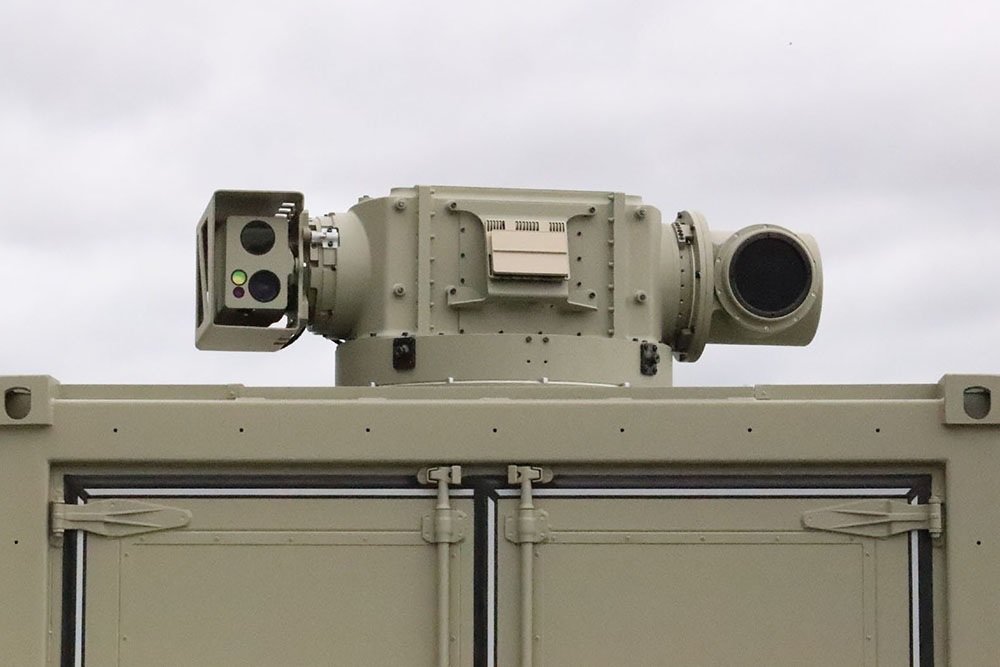
CEA Technologies specialises in advanced radar systems, including AESA technology used by the Australian Defence Force.
The company’s CEAFAR phased-array radar family is used on Royal Australian Navy Anzac-class frigates and has also been selected for the Hunter-class frigates. CEA radar technology has additionally been integrated with the Aegis combat system during Australian missile-defence testing. In July 2026, Australian Defence confirmed that CEA Technologies worked with Lockheed Martin on a first-of-type integration between a CEA radar and the Aegis Combat System.
AESA radars electronically steer their radar beams rather than relying on mechanical movement of a conventional antenna. This architecture allows radar systems to perform functions such as tracking multiple objects and rapidly changing between different operating tasks.
Cooperation linked to AUKUS
The radar initiative is part of wider defence and industrial cooperation between Australia and the UK under their broader strategic partnership and AUKUS.
At the June AUKMIN meeting, both governments said their cooperation on CEA’s AESA technology could create opportunities for further radar development, including potential co-development and co-production.
The two countries had already identified Australian AESA radar technology as an area for closer cooperation earlier in 2026. During the Australia-UK Defence Industry Dialogue in February, ministers agreed to undertake targeted risk-reduction activities to help inform future decisions on the potential use of Australian AESA technology by the UK.
The latest Statement of Intent provides a framework for continued cooperation while the two governments and companies examine future opportunities.
No specific UK platform, acquisition quantity, delivery schedule or production arrangement has been confirmed under the agreement. Further decisions will depend on subsequent technical and defence-industry work between the participating organisations.
——— End of Article ———