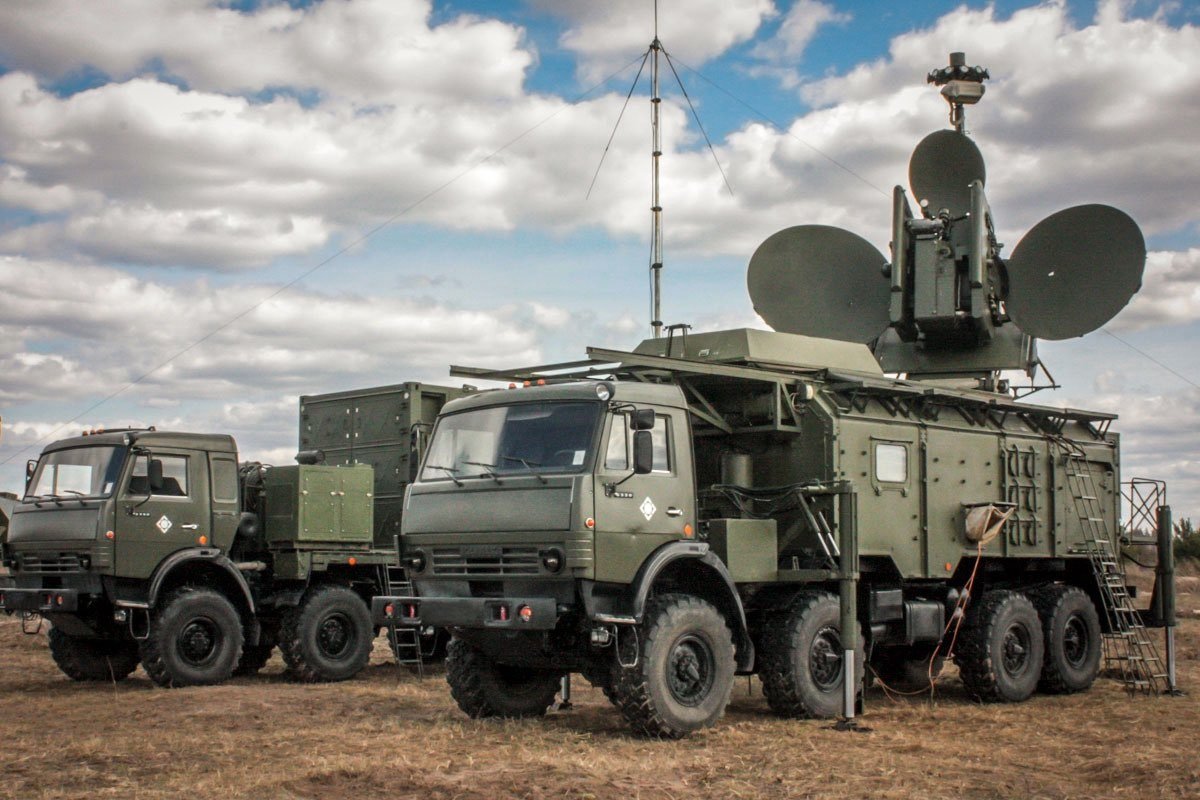
WASHINGTON — Russia is reportedly providing Iran with satellite surveillance and signals intelligence that is helping Tehran locate U.S. military forces across the Middle East and improve its ability to counter American military operations, according to U.S. and European officials cited by NBC News.
The report, published on July 31, 2026, states that the intelligence sharing includes satellite imagery and signals intelligence collected from communications networks, radar systems, and military equipment. Officials familiar with the matter told NBC News that the information is helping Iran identify U.S. military positions and interfere with American-made aircraft and precision-guided munitions used in strikes against Iranian targets.
Intelligence Support to Iran
According to U.S. and European officials, the intelligence support is assisting Iran in two key ways. It is helping Tehran identify the locations of U.S. military forces for potential aerial attacks while also improving its ability to jam American-made aircraft and precision-guided weapons during military operations.
Officials said the intelligence package combines satellite imagery with signals intelligence, allowing Iran to monitor military activity more effectively. The information is also helping Tehran strengthen the protection of key military assets by improving early warning capabilities against incoming airstrikes.
In addition, officials said the intelligence enables Iran to update target databases, conduct post-strike damage assessments, and improve the effectiveness of drone and missile operations against ships, aircraft, and other military targets.
Satellite Imagery Strengthens Military Planning
Defense analysts cited in the reports said Russia's satellite capabilities provide Iran with access to military-grade imagery that it cannot produce on its own because of its limited number of military satellites.
According to the officials, the satellite imagery supports mission planning, target identification, and battle damage assessment, making Iran's long-range drone and missile operations more effective.
The reported intelligence sharing follows earlier reports that Russia had provided Iran with satellite imagery that could assist in identifying U.S. military positions.
Conflict Enters Sixth Month
The reported intelligence cooperation comes as the conflict between the United States and Iran, which began in February 2026, enters its sixth month.
According to NBC News, Iran has launched thousands of missiles and drones targeting U.S. military bases, regional infrastructure, and commercial shipping near the Strait of Hormuz. U.S. air defense systems have intercepted most of the attacks, although some strikes caused damage.
The report states that at least 18 U.S. service members have been killed during the conflict. Estimates of damage to U.S. military facilities and equipment range between $10 billion and $30 billion.
Expert Assessment
Jim Lamson, a former CIA analyst and senior research associate at the James Martin Center for Nonproliferation Studies, told NBC News there are increasing indications that Iran is incorporating Russian technical and operational assistance into its long-range strike operations.
According to Lamson, the available information suggests Tehran is benefiting from Russian expertise as well as intelligence support during the ongoing conflict.
U.S. Administration Response
The Trump administration has largely downplayed the reported significance of Russia's assistance.
On July 24, President Donald Trump said he accepted Russian President Vladimir Putin's statement that Moscow was not selling weapons to Iran and was not directly participating in the conflict.
Responding to earlier reports that Russia had shared satellite imagery with Tehran, Trump said he did not believe such activity was occurring at a significant level and described any assistance as "very unimpactful."
Defense Secretary Pete Hegseth told lawmakers that Russia and China have been enabling some of Iran's activities but did not provide additional details.
A White House official also told NBC News that actions by outside countries had not increased Iran's ability to target Americans.
Expanding Russia-Iran Military Cooperation
The reported intelligence sharing reflects the broader military relationship between Russia and Iran.
Russia previously assisted in constructing Iran's Bushehr civilian nuclear power plant and has maintained nuclear cooperation with Tehran for years.
Military ties expanded further after Iran supplied Russia with Shahed drones following Russia's full-scale invasion of Ukraine.
In January 2026, Russia and Iran signed a comprehensive strategic partnership agreement covering defense, trade, energy, and security cooperation. The agreement did not establish a formal mutual defense pact.
Western governments have previously stated that Iran supplied Russia with thousands of drones and other military equipment for use during the war in Ukraine. Some analysts view Moscow's reported intelligence assistance as part of the broader military cooperation between the two countries.
China's Reported Role
China has also been linked in reports to limited assistance for Iran, including access to a surveillance satellite and discussions involving shoulder-launched missiles. Beijing has denied providing military assistance to Tehran.
According to the accounts cited by NBC News, Russia's role in providing satellite surveillance and signals intelligence appears more extensive.
International Reaction
The reported intelligence sharing has also drawn attention from Ukraine.
Ukrainian President Volodymyr Zelenskyy said Ukrainian intelligence had detected active Russian satellite surveillance of U.S. military facilities and critical infrastructure in the Gulf. He claimed the collected imagery was later transferred to Iranian authorities.
No Official Comment From Moscow or Tehran
Officials emphasized that the reported intelligence sharing does not indicate Russia is directing individual Iranian military operations. However, they said the continued flow of satellite imagery and electronic intelligence is one factor that has helped Iran maintain greater resilience than some U.S. officials had expected during the conflict.
As of August 1, 2026, neither the Russian government nor the Iranian government had publicly commented on the reported intelligence-sharing arrangements.
——— End of Article ———