BEIJING — China has imposed export controls on 14 European Union entities, prohibiting the export of dual-use goods to the listed organizations with immediate effect. The measure, announced by China's Ministry of Commerce (MOFCOM) on Friday, comes in response to the European Union's latest sanctions package against Russia.
According to MOFCOM, the decision was taken to safeguard China's national security and interests while fulfilling its international non-proliferation obligations. The ministry said the action was implemented under the Export Control Law of China and the Regulations on Export Control of Dual-Use Items.
The move follows the European Union's 21st package of sanctions against Russia, which included restrictions on 14 companies from mainland China and Hong Kong over allegations that they supplied dual-use goods and technologies to Russia for use in the war in Ukraine.
Export Restrictions Take Effect Immediately
Under the new measures, Chinese exporters are prohibited from supplying dual-use items to the 14 listed European entities. Dual-use items include goods, technologies, software and materials that can be used for both civilian and military purposes.
The restrictions also extend beyond China's borders. MOFCOM said overseas organizations and individuals are prohibited from transferring or supplying Chinese-origin dual-use items to the listed entities. Any ongoing related transactions must cease immediately.
However, the ministry noted that Chinese exporters may apply for special permission in exceptional cases if shipments are considered necessary.
Companies Added to China's Export Control List
The 14 entities placed on China's export control list are:
- Italy: Lafert S.p.A. and Garnet S.r.l.
- Germany: Sindlhauser Materials GmbH, Rheinmetall AG and Antraco Chemie-Handelsgesellschaft mbH
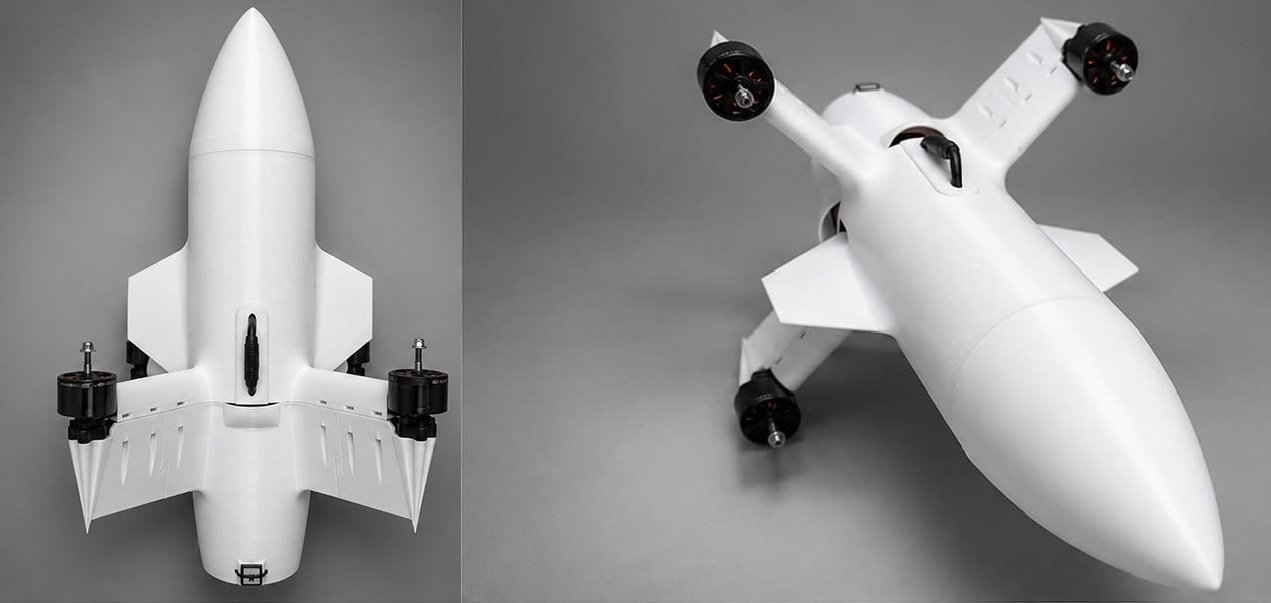
- France: InPACT S.A., III-V LAB and Cavok UAS
- Poland: Vigo Photonics S.A. and Politechnika Wroclawska
- Netherlands: IHC Merwede Holding B.V.
- Czech Republic: TATRA TRUCKS a.s.
- Bulgaria: Opticoelectron Group
- Lithuania: Ekspla UAB
Defense and Industrial Companies Among Those Affected
Several companies on the list have operations related to defense, advanced technology and manufacturing.
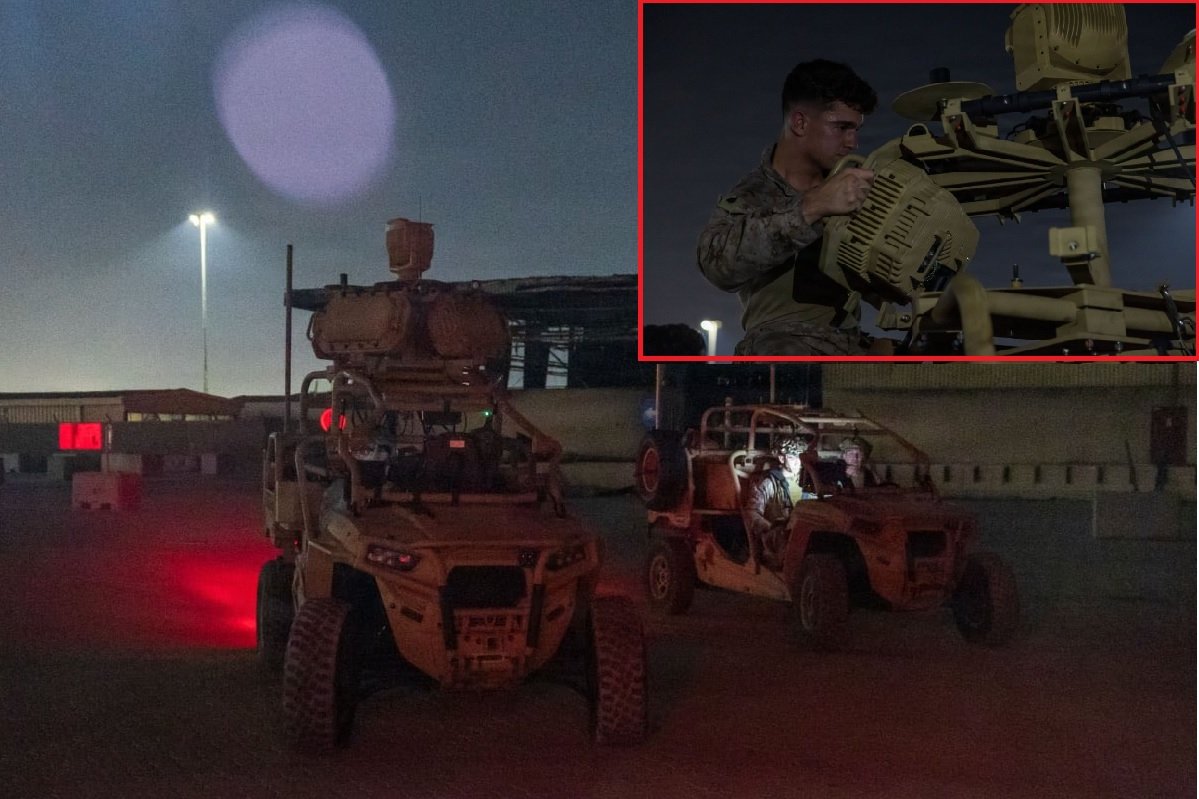
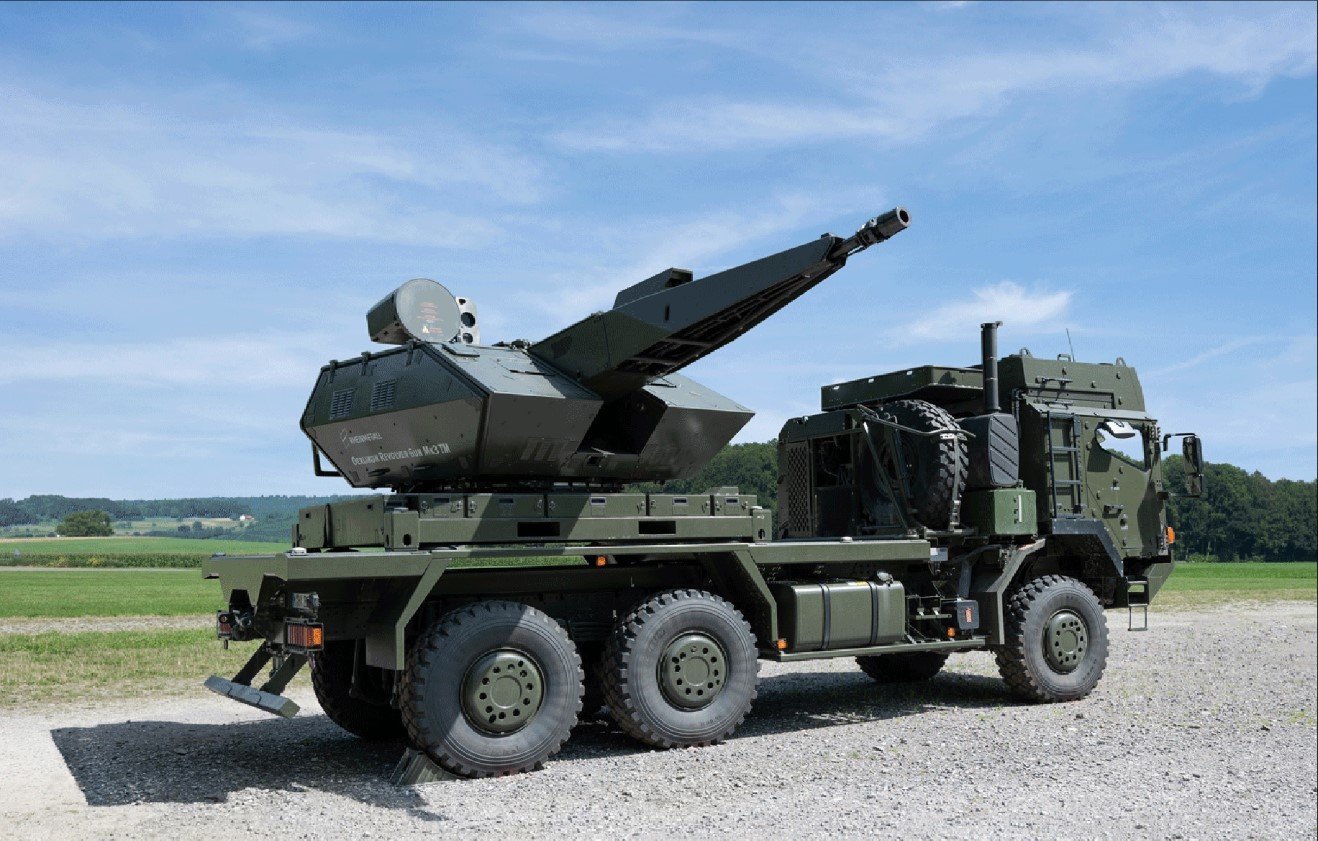
German defense company Rheinmetall AG supplies equipment used by the Ukrainian Armed Forces, including Marder 1A3 infantry fighting vehicles, Skynex air defense systems, Caracal tactical vehicles, 35 mm ammunition for Gepard anti-aircraft systems and NATO-standard 155 mm artillery ammunition.
Czech manufacturer Tatra Trucks produces heavy all-wheel-drive vehicles and specialized chassis used as the platform for several Ukrainian military systems, including the Neptune coastal missile system, the Bureviy multiple rocket launcher and certain versions of the Bohdana self-propelled howitzer.
The list also includes Italian electric motor manufacturer Lafert S.p.A., Polish technology company Vigo Photonics S.A., Dutch shipbuilder IHC Merwede Holding B.V., Bulgarian optics manufacturer Opticoelectron Group, Polish research institution Politechnika Wroclawska, Lithuanian laser manufacturer Ekspla UAB, and other companies from Germany, France and Italy.
European Union Reviewing China's Measures
The European Commission said it is reviewing China's latest export control measures.
European Commission spokesperson Paula Pinho said the EU will consult with member states and the affected companies while seeking clarification from Chinese authorities.
"We will seek clarification with our counterparts in China in order to better understand what is at stake," Pinho said.
Tatra Trucks Expects No Operational Impact
Tatra Trucks said it does not expect the Chinese restrictions to affect its business operations.
Company spokesperson Andrej Čírtek said the company does not use Chinese components or technologies covered by the new export controls in the production of its vehicles.
"We do not use components or technologies supplied by China that are subject to these export restrictions in the production of our vehicles," Čírtek said.
He added that the company does not expect any impact on production, supply chains or customer deliveries.
Rheinmetall had not issued a public response to China's export control decision at the time of publication.
Part of Broader China-EU Trade Measures
China's latest export controls represent its direct response to the European Union's latest sanctions package targeting Chinese companies over alleged exports of dual-use goods to Russia.
The measures add to the series of reciprocal trade and export restrictions introduced by China and the European Union in connection with sanctions related to Russia's war in Ukraine.
Source : mofcom.gov.cn
——— End of Article ———