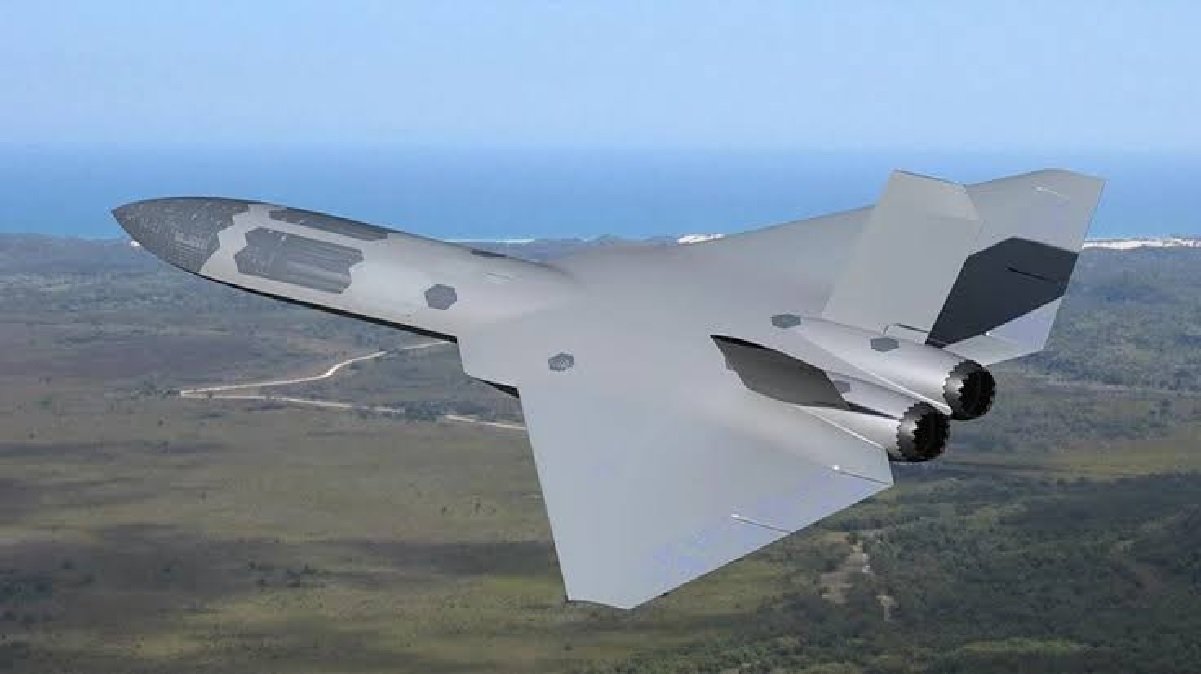
EGLIN AIR FORCE BASE, Fla. — The U.S. Air Force is seeking a new family of expendable aerial target drones capable of replicating a wide range of airborne threats, from low-cost drone swarms to advanced stealth fighters, strategic bombers and airborne early warning and control (AEW&C) aircraft.
The Air Force's Aerial Targets Program Office at Eglin Air Force Base issued a Request for Information (RFI) on August 14. Industry responses are due by September 28.
The proposed targets must be realistic enough to challenge modern sensors and weapons while being affordable and simple enough to be routinely expended during testing. The Air Force is specifically interested in commercial, modified-commercial, dual-use and non-developmental solutions that can offer advantages in cost, scalability and simplicity over legacy systems.
Multiple Target Categories
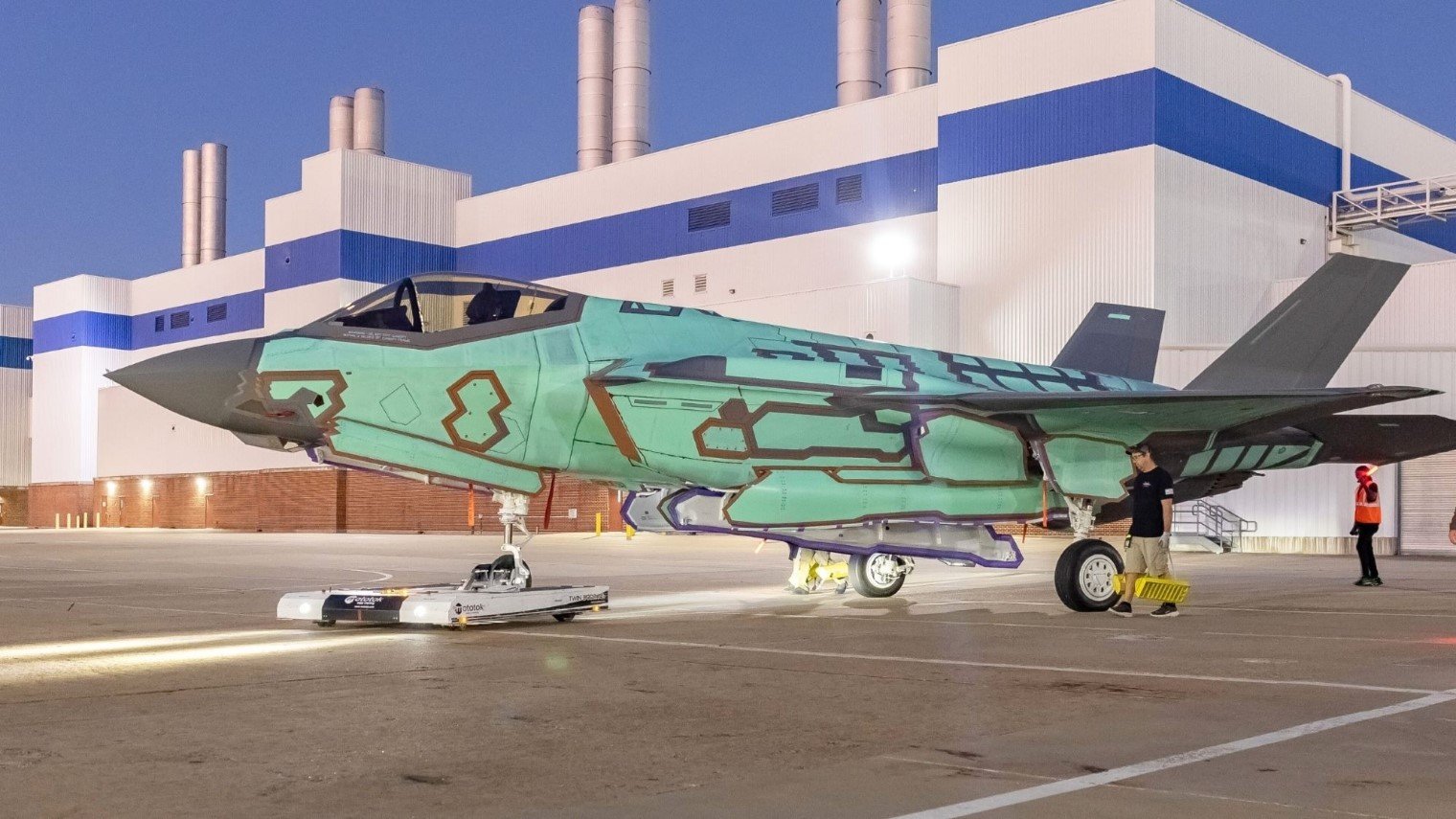
For advanced fighter threats, the Air Force wants targets capable of flying at Mach 1.6 and above at 40,000 feet, performing high-agility maneuvers, sustaining 5G and reaching instantaneous loads of up to 9G. They must also provide precise low-observable radar cross-section profiles, multispectral infrared signatures, active radio-frequency emissions and integrated electronic-attack capabilities.
A separate category covers C-130-sized multi-engine aircraft, as well as larger aircraft such as strategic bombers and AEW&C platforms. These targets are expected to reproduce the physical scale, slow subsonic flight characteristics and representative propulsion, radar and infrared signatures of larger aircraft.
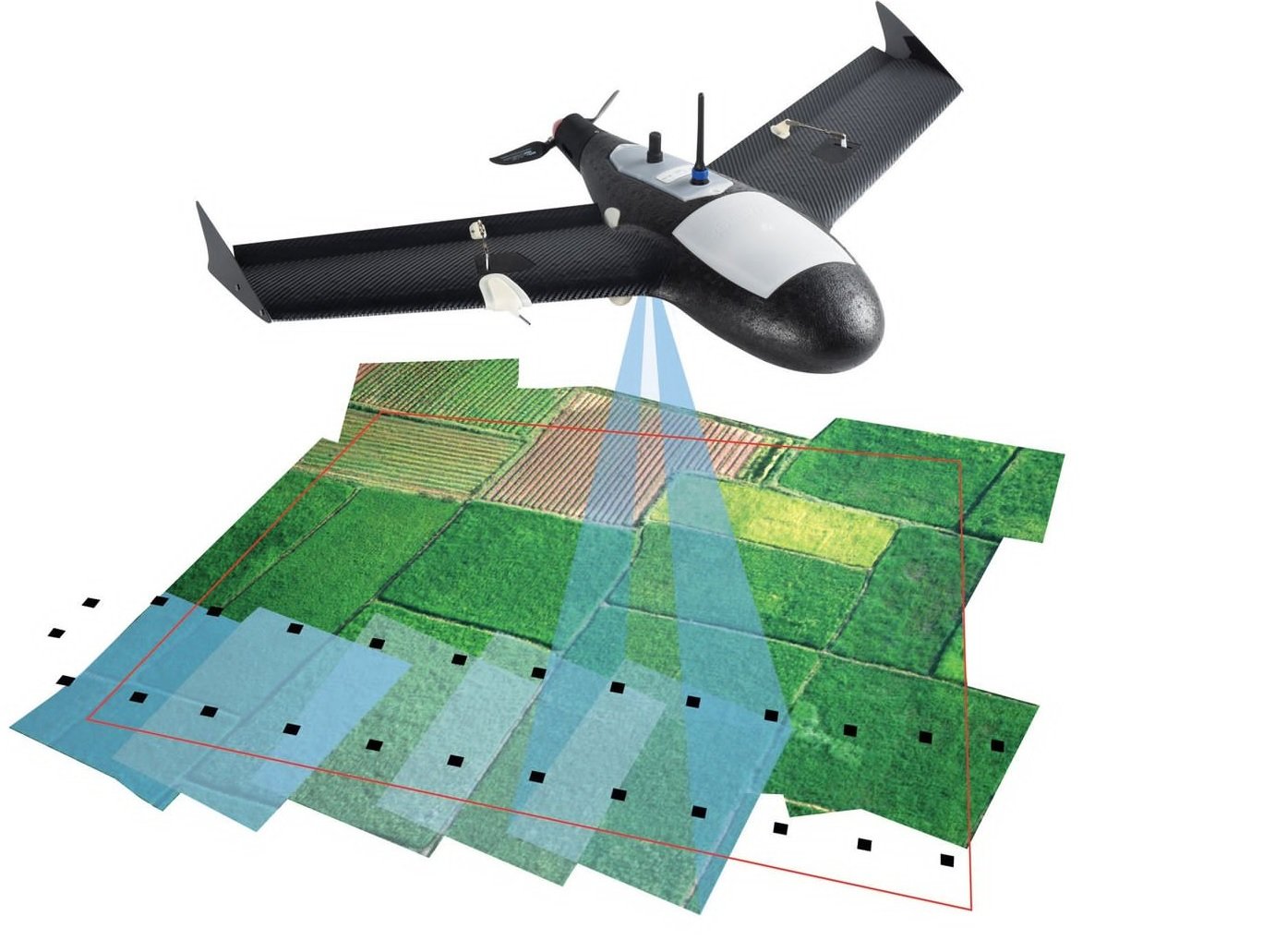
The requirement also covers unmanned aircraft. Group 5 targets should operate at altitudes up to 50,000 feet, while Group 3 and Group 4 targets should fly at approximately Mach 0.5 to 0.8 and maneuver between 3G and 6G. Group 1 and Group 2 targets should fly below 150 knots and operate in swarms.
Addressing Limits of Existing Targets
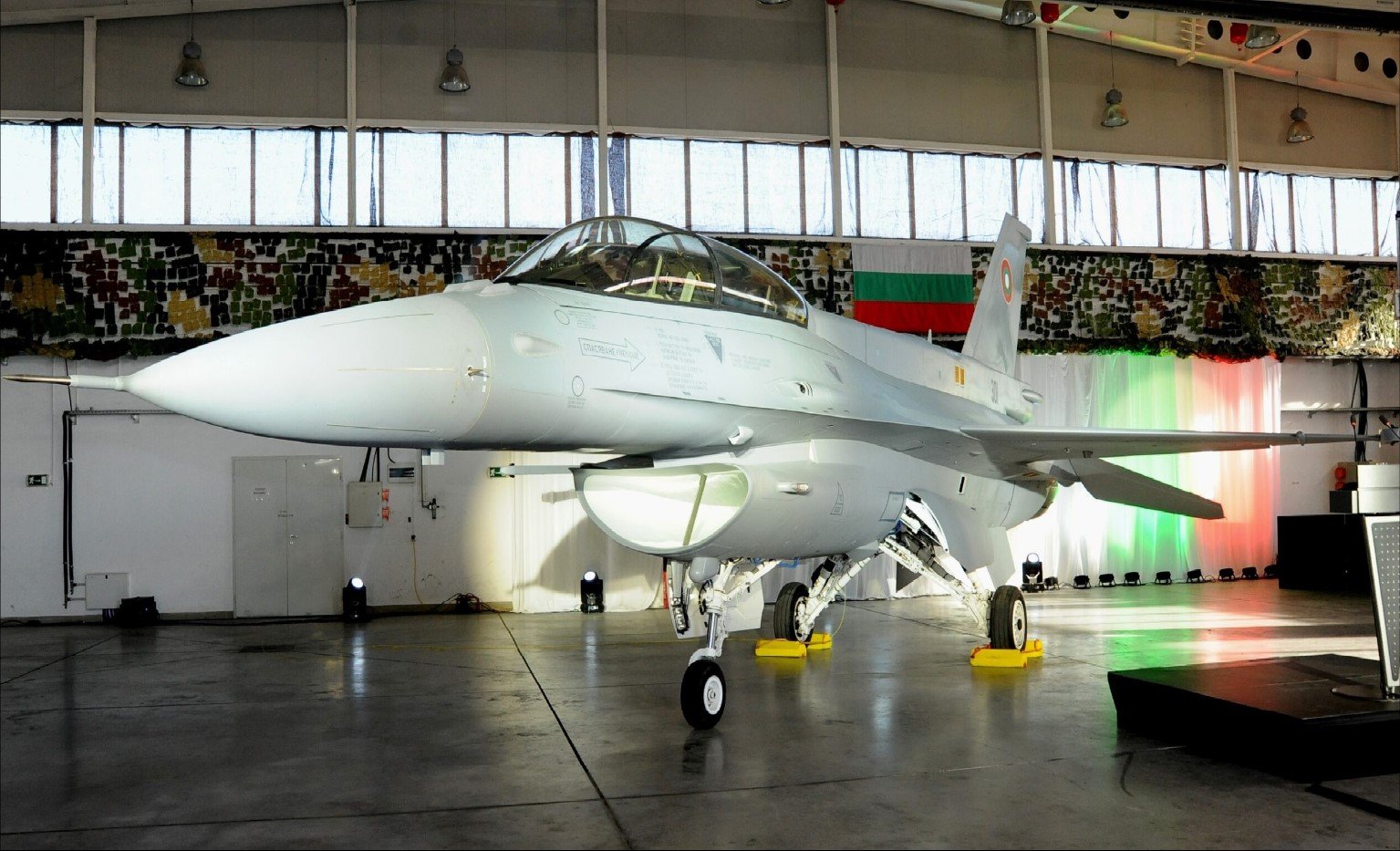
The Air Force currently uses systems including the BQM-167A, a subscale aerial target, and converted QF-16 fighter aircraft. The BQM-167A provides a relatively affordable subscale target, but its size limits its ability to represent larger aircraft. The QF-16 provides full-scale fighter performance, but using converted fighter aircraft as expendable targets is different from operating purpose-built systems designed for production and expenditure in larger numbers.
The new requirement is intended to cover the gap between these existing systems and provide targets representing modern stealth aircraft, large aircraft and massed small-drone threats.
The Air Force has also pursued high-fidelity targets for advanced aircraft in the past, including the 5th Generation Aerial Target (5GAT) program.
Testing Modern Weapons and Sensors
The requirement is aimed at supporting testing across the weapons and sensor kill chain, including detection, tracking, seeker acquisition, guidance and terminal engagement.
The Air Force wants targets capable of reproducing not only aircraft flight performance and physical size but also radar cross-section, infrared characteristics, radio-frequency emissions and electronic-warfare effects.
The effort reflects the increasing variety of airborne threats that U.S. weapons and air-defense systems must be tested against. The proposed family would provide different target types for fighter aircraft, large aircraft, unmanned systems and drone swarms while maintaining an emphasis on affordability and scalability.
The RFI is currently seeking information from industry and does not itself represent a contract award. Responses must be submitted by September 28, 2026.
——— End of Article ———