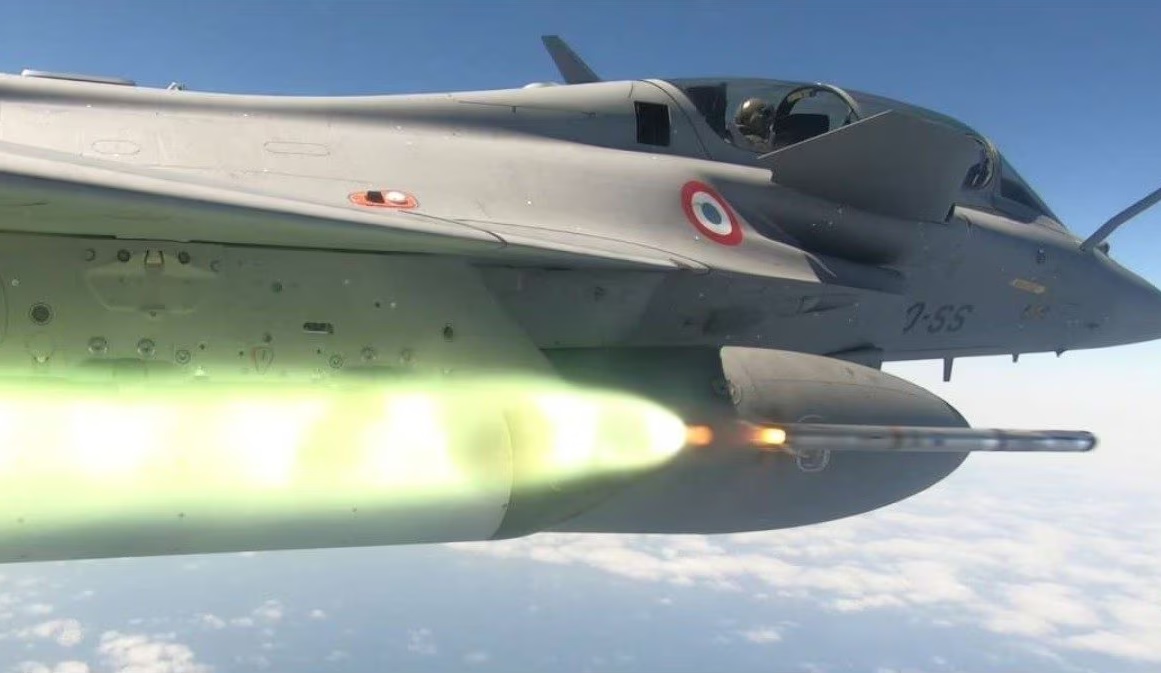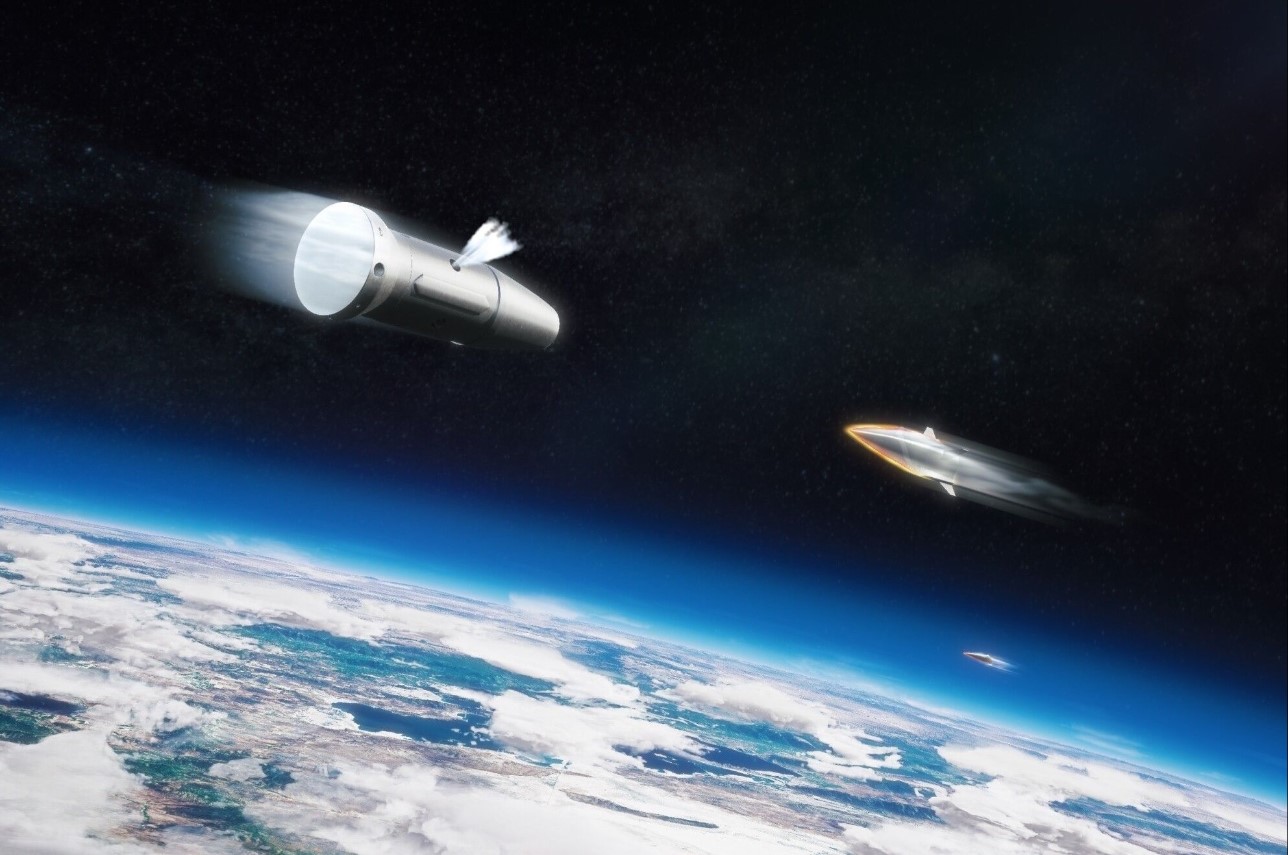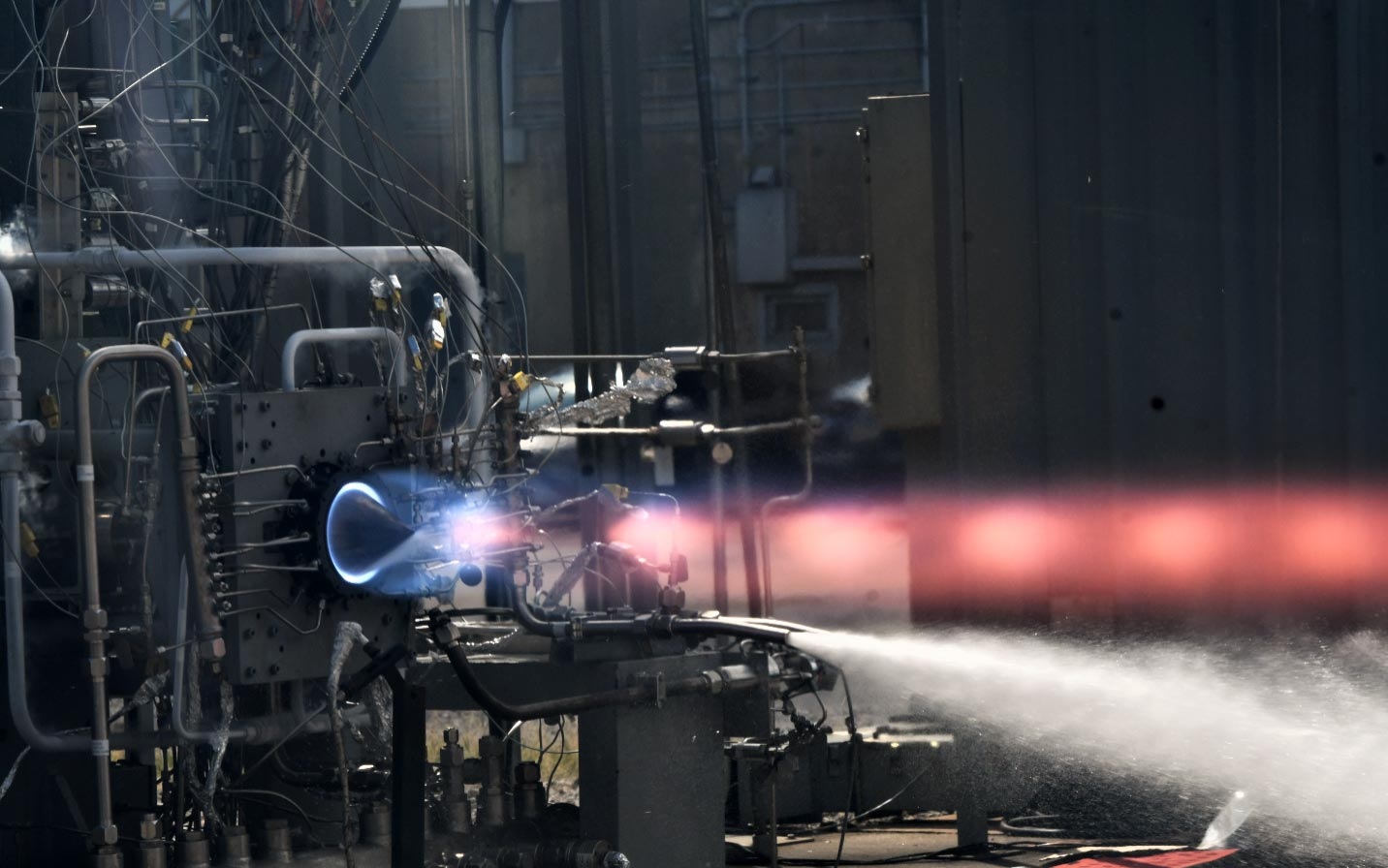
EDWARDS AIR FORCE BASE, Calif. — The U.S. Air Force is seeking input from the domestic aerospace industry on advanced propulsion technologies that could power the next generation of high-speed missiles by combining the launch power of a rocket with the long-range efficiency of a jet engine.
On July 14, 2026, the Air Force Research Laboratory (AFRL) Rocket and Space Propulsion Division at Edwards Air Force Base issued a Request for Information (RFI) focused on Rocket-Based Combined Cycle (RBCC) propulsion systems. Companies have until August 10, 2026, to submit responses.
The RFI is not a contract solicitation. Instead, it is intended to help the Air Force evaluate current industry capabilities, available technologies, manufacturing readiness, and the challenges involved before deciding whether to launch a formal acquisition program.
Air Force Focuses on Rocket-Based Combined Cycle Technology
The AFRL is looking at propulsion systems that combine two different types of engines into a single design.
In an RBCC system, a missile would launch using a rocket engine, which provides the high thrust needed from a standstill. After reaching higher speeds, the propulsion system would transition to an air-breathing jet engine, which consumes atmospheric oxygen instead of carrying all of its oxidizer onboard. This approach can improve fuel efficiency during cruise and increase the overall range of the missile.
By switching from rocket propulsion to jet-powered flight, future missiles could require smaller onboard fuel supplies than conventional rocket-powered weapons, allowing more space for payload or extended range.
Rotating Detonation Rocket Engine at the Center of the Program
The Air Force has asked industry to develop concepts based on Rotating Detonation Rocket Engine (RDRE) technology.
Unlike conventional rocket engines that rely on continuous combustion, an RDRE uses a continuous supersonic detonation wave that travels around a ring-shaped combustion chamber. This process generates higher chamber pressure and can produce greater thrust from a compact engine.
AFRL has been studying rotating detonation propulsion for several years. Since 2021, the laboratory has completed approximately 300 hot-fire tests using methane and oxygen propellants to better understand the technology's performance and operating characteristics.
The Air Force now aims to integrate RDRE technology with an air-breathing propulsion system capable of operating across multiple phases of flight.
Shift Toward Storable Propellants
One of the key objectives outlined in the RFI is replacing cryogenic propellants with storable, non-cryogenic propellants.
Earlier RDRE demonstrations relied on liquid oxygen and liquid hydrogen, which require continuous refrigeration and specialized handling. While suitable for space launch systems, these fuels are less practical for military weapons that may remain stored inside aircraft or launch platforms for extended periods.
To improve operational readiness, AFRL is requesting concepts that use storable oxidizers such as High Test Peroxide (HTP) together with standard jet fuel or other compatible fuels. Using storable propellants could simplify logistics by allowing future systems to integrate more easily with existing military fuel infrastructure.
Technical Requirements for Industry
The Air Force outlined several technical priorities that companies must address in their proposals.
The propulsion system should:
- Be suitable for affordable, large-scale production.
- Avoid reliance on exotic materials, complex manufacturing methods, or difficult supply chains.
- Maintain a compact size and low weight so it can fit within standard missile or aircraft configurations.
- Demonstrate a reliable transition from rocket-powered acceleration to air-breathing cruise without engine instability, including preventing inlet unstart during the change in operating mode.
- Use the air-breathing engine as the primary source of thrust during cruise, while the rocket system provides additional performance support when required.
These requirements are intended to improve operational practicality while keeping production costs manageable.
Part of Broader U.S. Defense Propulsion Research
The AFRL initiative is part of a broader Department of Defense effort to advance rotating detonation propulsion for future missile systems.
In January 2026, GE Aerospace and Lockheed Martin announced successful testing of a liquid-fueled rotating detonation ramjet designed for hypersonic missile applications. Conducted at a test facility in Niskayuna, New York, the demonstration showed the engine could ignite at speeds below Mach 3, potentially reducing the size of booster rockets required for future missiles.
At the same time, the Defense Advanced Research Projects Agency (DARPA) is supporting similar research through its Gambit program in partnership with RTX. The program aims to develop a mass-producible, high-supersonic standoff missile for air-to-ground missions using rotating detonation engine technology.
Industry Survey to Guide Future Development
The latest RFI represents another step in the Air Force's effort to assess how ready the U.S. aerospace industry is to support advanced combined-cycle propulsion technologies.
While the announcement does not authorize a development program or award contracts, the information collected from industry will help AFRL determine the maturity of available technologies, identify manufacturing capabilities, and shape future research and acquisition decisions.
The Air Force has not announced any contract awards or development timeline. Responses received by August 10, 2026, will be used to evaluate the feasibility of advancing Rocket-Based Combined Cycle (RBCC) propulsion for future high-speed missile programs.
Source : sam.gov
——— End of Article ———