WASHINGTON — The U.S. Army has begun installing Anduril Industries' counter-unmanned aircraft systems (C-UAS) at Joint Base Lewis-McChord (JBLM) in Washington state, marking the first physical deployment of the company's integrated counter-drone hardware at a U.S. military installation. The move is part of a broader effort to strengthen the protection of military bases against the growing threat posed by small unmanned aerial systems.
The project is being managed by Joint Interagency Task Force 401 (JIATF-401), an Army-led organization established by the Department of War in 2025 to unify the military's counter-drone capabilities. Before the creation of JIATF-401, individual military services largely managed their own counter-drone programs, resulting in separate procurement efforts and different combinations of sensors, jammers, and interceptors. The task force now oversees the procurement, testing, integration, and deployment of counter-UAS systems under a common homeland defense strategy.
JIATF-401 recently published a handbook titled "Small Drones, Big Problems," which outlines a layered approach to countering unauthorized drones and provides a common operating framework for personnel responsible for defending military installations.
Army Maj. Joe Amoroso, Deputy Chief of Strategic Initiatives for JIATF-401, said it is important to establish a common foundation for counter-drone operations while working with government agencies and interagency partners to address the growing threat posed by small unmanned aircraft.
Layered Counter-Drone Defense
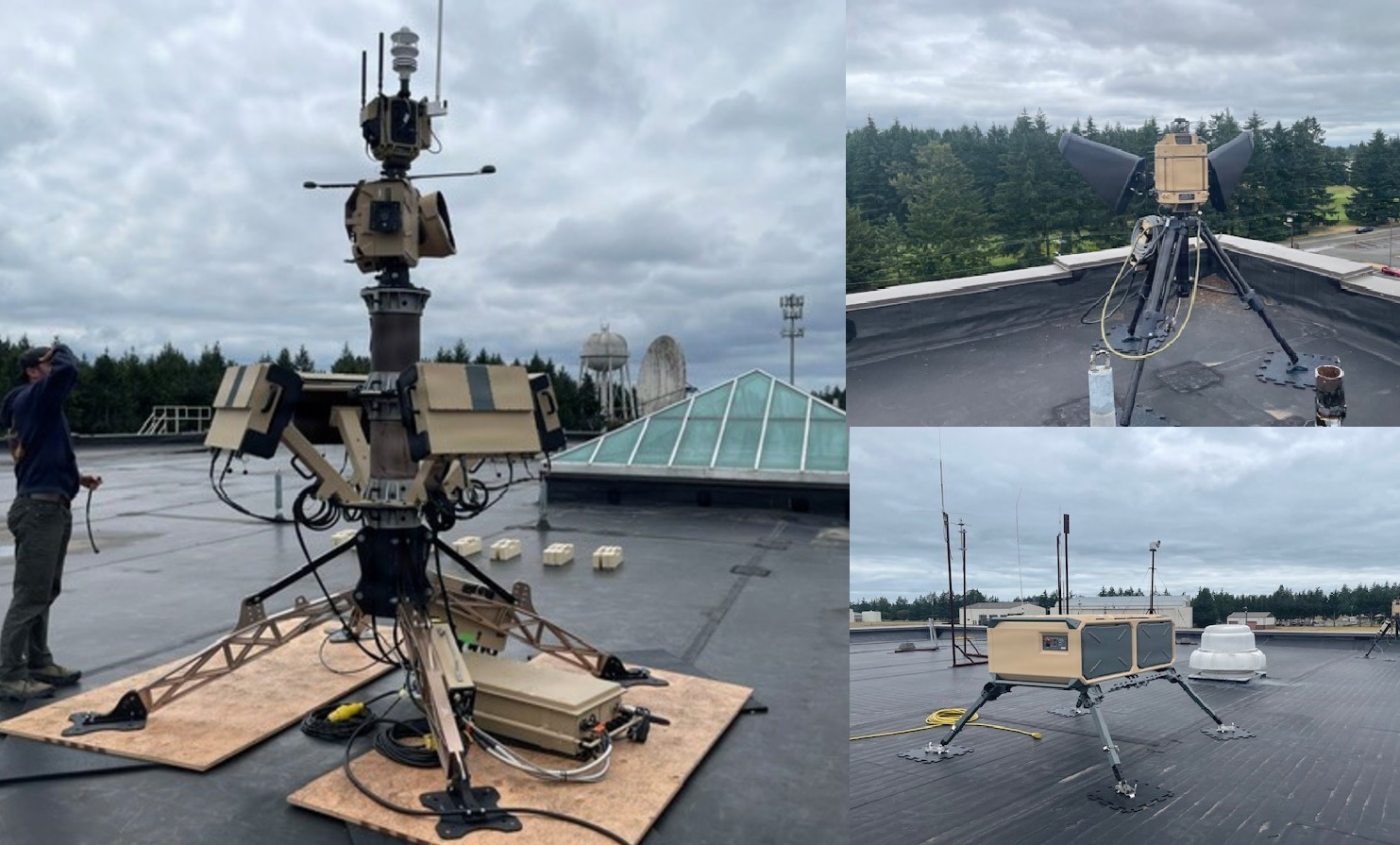
The initial installation at JBLM includes three key systems developed by Anduril Industries, with each performing a specific role in detecting, tracking, disrupting, and defeating hostile drones.
SpyGlass Radar
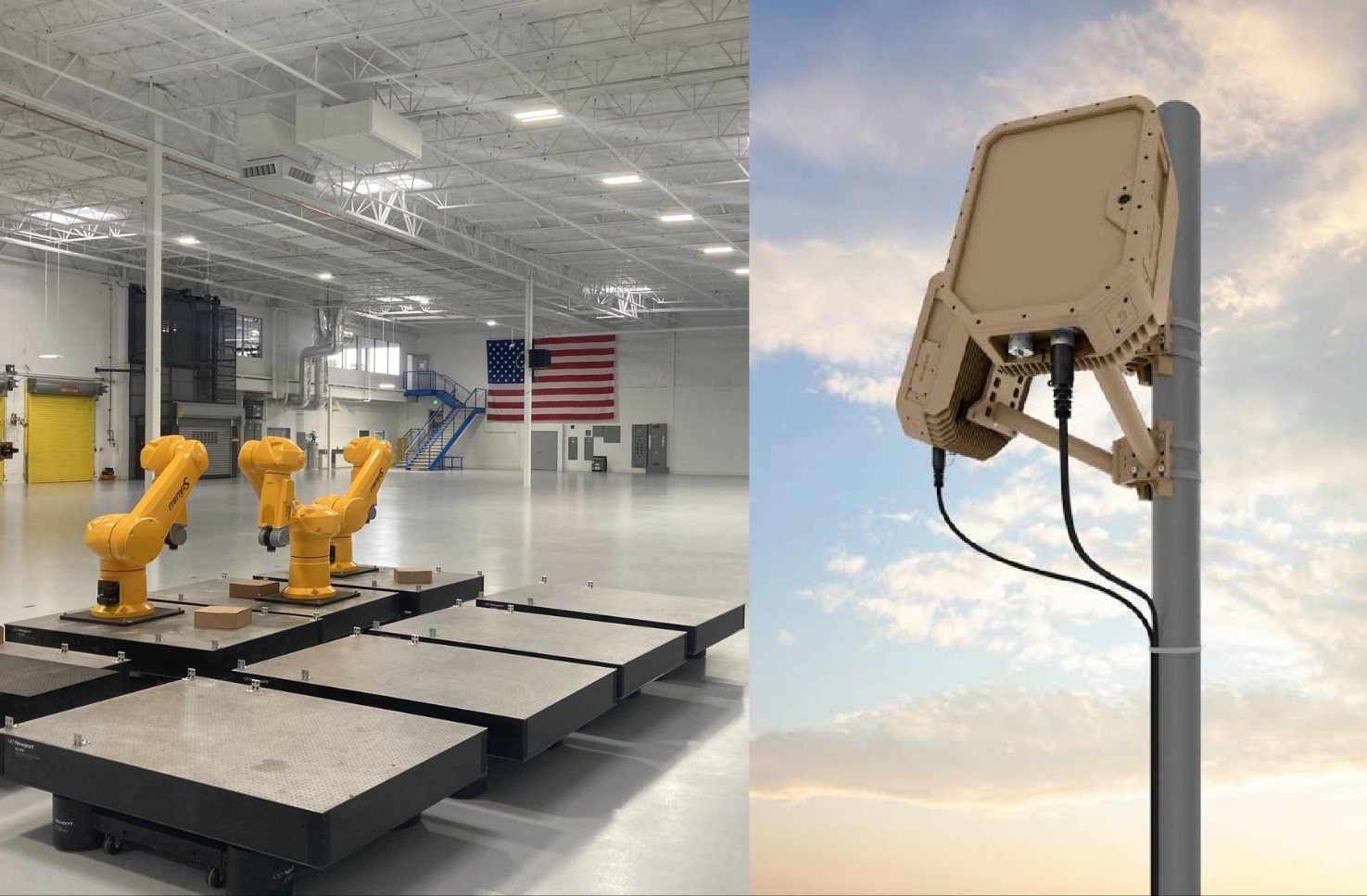
The SpyGlass system is a Ku-band phased array radar designed to detect and track multiple aerial targets simultaneously using electronically steered beams instead of traditional rotating radar antennas. According to Anduril, its onboard processing increases detection range by 25 to 30 percent compared with older radar systems, giving security personnel additional time to identify and respond to potential drone threats.
Pulsar Electronic Warfare System
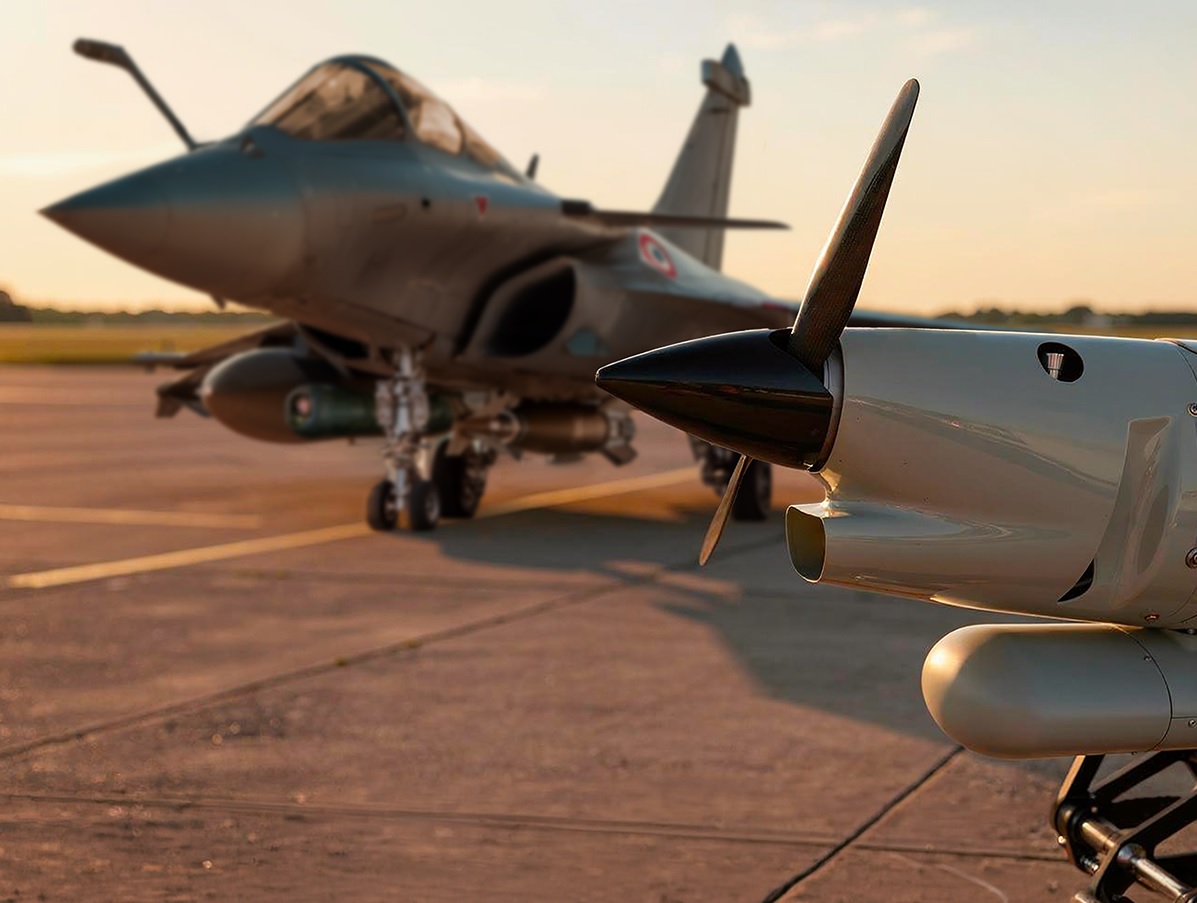
The Pulsar system is a software-defined electronic warfare (EW) platform that detects and disrupts the radio-frequency signals used by drones for communication and navigation. The system uses edge artificial intelligence to adapt to newly emerging drone frequencies within hours rather than months. Demonstrations have shown it can effectively counter Group 1 unmanned aircraft at distances of up to 2 kilometers (approximately 1.2 miles).
Anvil Interceptor
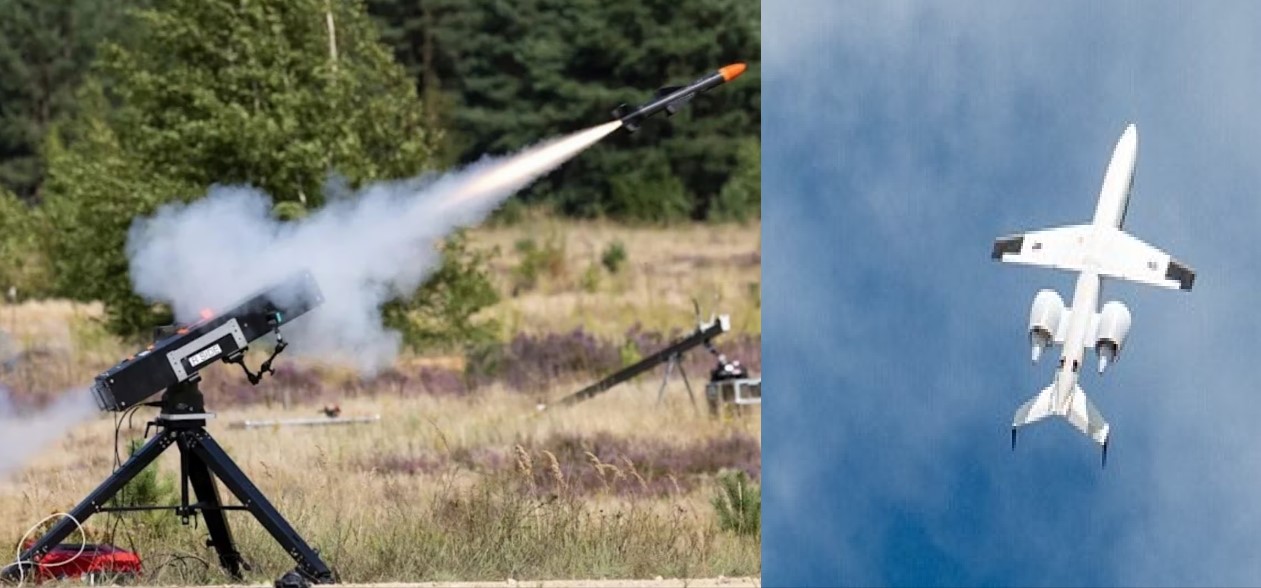
The Anvil system is an autonomous kinetic interceptor designed to physically destroy hostile drones by colliding with them. It is intended to defeat Group 1 and Group 2 unmanned aircraft systems, including most commercial quadcopters and small fixed-wing drones capable of carrying cameras or light payloads. The interceptor is designed for situations where electronic warfare measures alone are not sufficient to stop an incoming drone.
Faster Deployment Through Industry Collaboration
The installation at JBLM was carried out through direct cooperation between government personnel and Anduril engineers. Tommy Hernandez III, Anduril's Air Defense Team Lead, and George Nguyen, Tactical Operations Engineer, worked alongside JIATF-401 personnel to install and integrate the systems on-site.
This approach is intended to shorten deployment timelines by allowing government and industry teams to work together during installation and system integration, reducing the delays often associated with traditional military acquisition processes.
Why Joint Base Lewis-McChord Was Selected
Joint Base Lewis-McChord was selected for the first deployment because of its strategic importance within the U.S. military.
Located near Tacoma, Washington, JBLM is the only Army power projection base west of the Rocky Mountains in the continental United States. The installation hosts I Corps and supports the 62nd Airlift Wing, which operates the C-17 Globemaster III strategic airlift fleet.
The base plays an important role in moving troops, equipment, and supplies to the Indo-Pacific region during military operations and contingency missions. Its operational importance makes it a priority location for strengthening protection against unauthorized drone activity.
Part of a Broader National Counter-Drone Strategy
The deployment at JBLM is one element of a wider counter-drone strategy being implemented by JIATF-401 across the United States.
In addition to installing standardized counter-UAS systems, the task force is managing a pilot program that is evaluating laser and microwave-based counter-drone technologies at five other military sites. The broader modernization effort also includes a 10-year, $642 million contract awarded to Anduril Industries to deploy counter-UAS systems across U.S. Marine Corps bases.
The objective is to create a more standardized and coordinated approach to protecting military installations from increasingly capable and affordable unmanned aircraft.
Growing Concern Over Small Drone Threats
The widespread availability of inexpensive commercial drones has significantly changed the security environment for military installations. Small unmanned aircraft have been used extensively in recent conflicts, including those in Ukraine and the Middle East, for reconnaissance, surveillance, and attack missions, highlighting the operational impact of low-cost drone technology.
Within the United States, military officials have also reported a growing number of unauthorized drone incursions near military facilities over the past decade. These incidents have increased the focus on deploying systems capable of detecting, tracking, disrupting, and, when necessary, physically intercepting drones before they can reach sensitive infrastructure.
Army Brig. Gen. Matt Ross, Director of JIATF-401, said that while there is no single solution capable of addressing every drone threat, a proactive and layered defense built in cooperation with government partners can significantly reduce the risks posed by small unmanned aircraft.
Source : dvidshub / defence-blog
——— End of Article ———