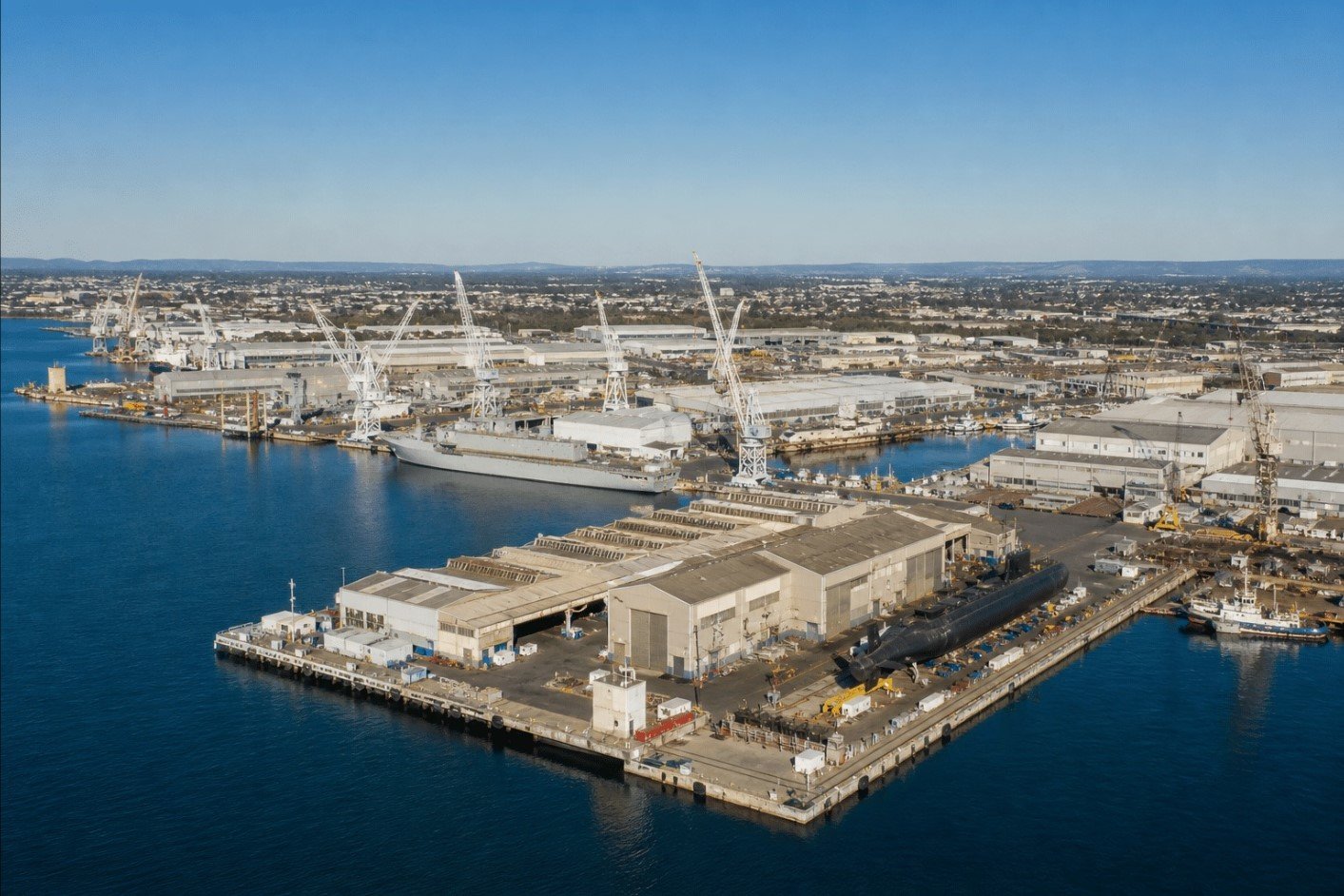
ADELAIDE — The Australian government has announced an additional AUD 4.6 billion investment to expand the Osborne Naval Shipyard in South Australia, strengthening the industrial infrastructure required for the AUKUS nuclear-powered attack submarine (SSN) program.
Deputy Prime Minister and Minister for Defence Richard Marles announced the funding on Friday during the Labor Party's national conference in Adelaide. The latest allocation increases the federal government's confirmed investment in the Osborne precinct to AUD 8.5 billion, following the AUD 3.9 billion announced in February 2026.
The funding will support the facilities, workforce capacity, and industrial capabilities needed to build, sustain, and operate Australia's future SSN-AUKUS submarine fleet. The government has also stated that the overall Osborne shipyard project is expected to involve around AUD 30 billion over the coming decades.
Building Australia's Submarine Industry
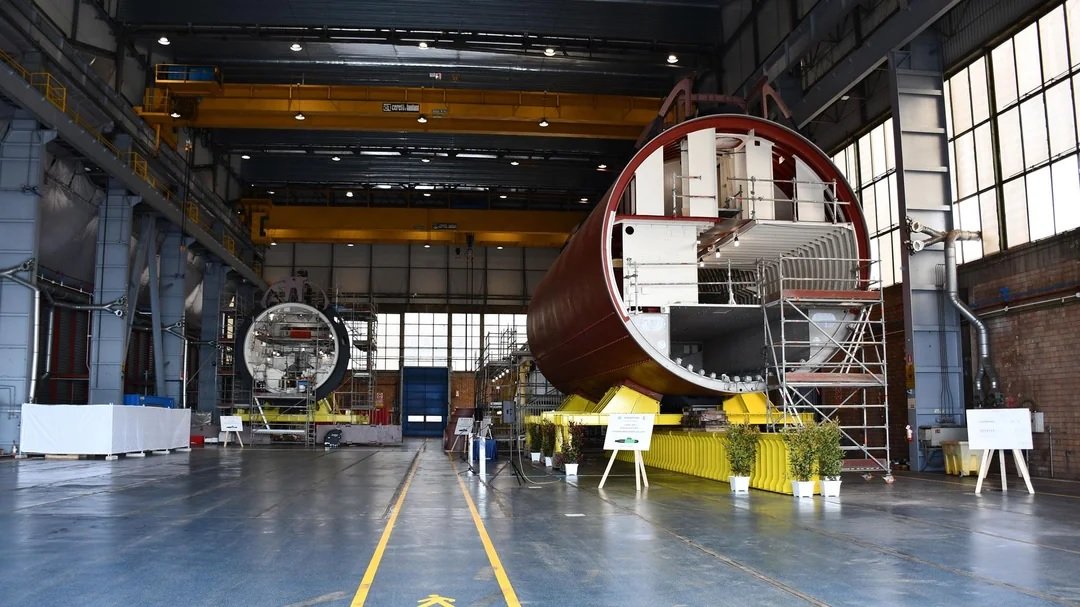
The Osborne Naval Shipyard will become the construction hub for five conventionally armed, nuclear-powered SSN-AUKUS submarines. The submarines will be built through a joint venture between ASC Pty Ltd and BAE Systems Australia, supported by a wider network of engineering companies and suppliers.
According to the Albanese government, the AUKUS submarine program is expected to create nearly 10,000 jobs in South Australia. Around 1,100 people are currently working at the Osborne precinct in site operations, design, and project management.
To support the long-term workforce needed for the program, a dedicated Skills and Training Academy Campus is scheduled to begin operations in the first quarter of 2028. The academy will replicate a submarine construction environment and will be able to train up to 1,000 learners at the same time, preparing engineers, technicians, and skilled tradespeople for Australia's future nuclear-powered submarine fleet.
Maintaining Capability Before SSN-AUKUS
Australia currently operates six Collins-class diesel-electric submarines, commissioned between 1996 and 2003. The submarines are 77.8 metres long, displace about 3,400 tonnes when submerged, and are equipped with Mk 48 Mod 7 CBASS heavyweight torpedoes and UGM-84 Sub Harpoon anti-ship missiles. They perform intelligence gathering, anti-submarine warfare, and maritime surveillance missions.
Because the SSN-AUKUS submarines are not expected to enter service until the early 2040s, the government is extending the operational life of the Collins-class fleet. Canberra is investing up to AUD 11 billion to keep the submarines in service into the early 2040s through upgrades and sustainment work.
At the same time, the government is upgrading the Henderson shipyard in Western Australia to support the maintenance of future nuclear-powered submarines and the construction of the Royal Australian Navy's future Mogami-class frigates.
Future SSN-AUKUS Fleet
Under the AUKUS partnership, Australia will acquire at least three Virginia-class nuclear-powered submarines from the United States before building five SSN-AUKUS submarines domestically.
The SSN-AUKUS design is based on the United Kingdom's Astute-class submarine experience while incorporating advanced United States technologies. The submarines will be fitted with a next-generation Rolls-Royce nuclear reactor designed to operate throughout the vessel's service life without refuelling. They will also use a combat management system based on the AN/BYG-1 architecture used on the US Navy's Virginia-class submarines and will be armed with Mk 48 Mod 7 heavyweight torpedoes and Tomahawk land-attack cruise missiles.
The shared combat systems and operational procedures are intended to improve interoperability between the Royal Australian Navy, the US Navy, and the Royal Navy.
Program Progress
The AUKUS partnership, announced in 2021, remains Australia's largest defence acquisition program. The agreement replaced Australia's previous plan to acquire 12 Shortfin Barracuda diesel-electric submarines from France's Naval Group.
Australia had originally planned to receive newly built Virginia-class submarines from the United States as an interim capability. However, due to production pressures within the US naval industrial base, Australia is now expected to receive at least three Virginia-class submarines transferred from the operational inventory of the US Navy.
The additional investment in the Osborne Naval Shipyard reflects the Australian government's continued commitment to expanding the country's submarine industrial base while supporting the transition from the Collins-class fleet to the future SSN-AUKUS submarines. Construction of the first Australian-built SSN-AUKUS submarines is expected in the early 2040s.
Source : abc.net.au
——— End of Article ———