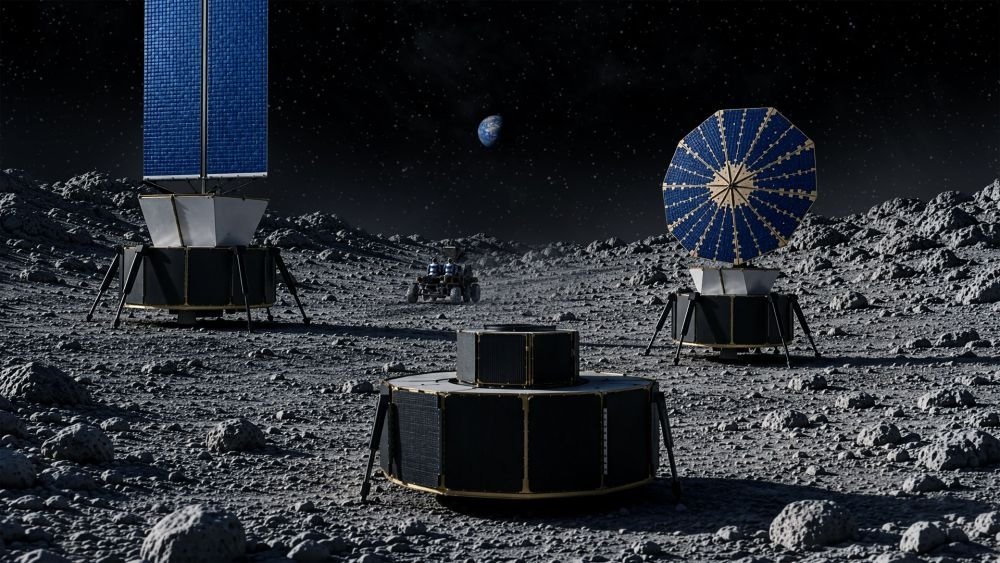
DULLES, Va., — Northrop Grumman is developing three Lunar Infrastructure Demo (LID) missions to help NASA establish the power, communications and other basic systems needed for sustained operations near the lunar South Pole.
The missions, designated LID-1, LID-2 and LID-3, are intended to demonstrate technologies that can support both robotic systems and future astronauts on the lunar surface. The company said the demonstrations will focus on surface power, data systems, thermal management, autonomy, communications and hosted payload services.
The effort is part of NASA’s broader plan to develop a Moon Base through a phased approach. NASA’s first phase, covering the period through 2029, focuses on robotic missions, technology demonstrations and preparation for surface operations at the lunar South Pole.
Testing Infrastructure for the Lunar Night
One of the main objectives of the LID missions is to determine whether critical surface equipment can remain powered, protected and connected during the lunar night and in permanently or temporarily shadowed areas.
The lunar environment presents major challenges for surface equipment. At the lunar South Pole, temperatures can range from about -334 degrees Fahrenheit to 130 degrees Fahrenheit, while long periods without sunlight create additional difficulties for power and electronic systems.
Northrop Grumman's demonstrations are intended to provide operational data on how infrastructure performs under these conditions. The company said the missions will help develop systems capable of supporting longer-duration activities by robotic explorers and, eventually, human crews.
NASA's Moon Base plan also identifies reliable power and communications as key capabilities for the early stages of lunar surface development. The agency plans to progressively expand these systems as the program moves toward longer-duration operations.
Reusing HALO Technology
To reduce development work and accelerate deployment, Northrop Grumman is adapting hardware and technologies originally developed for NASA's Habitation and Logistics Outpost (HALO).
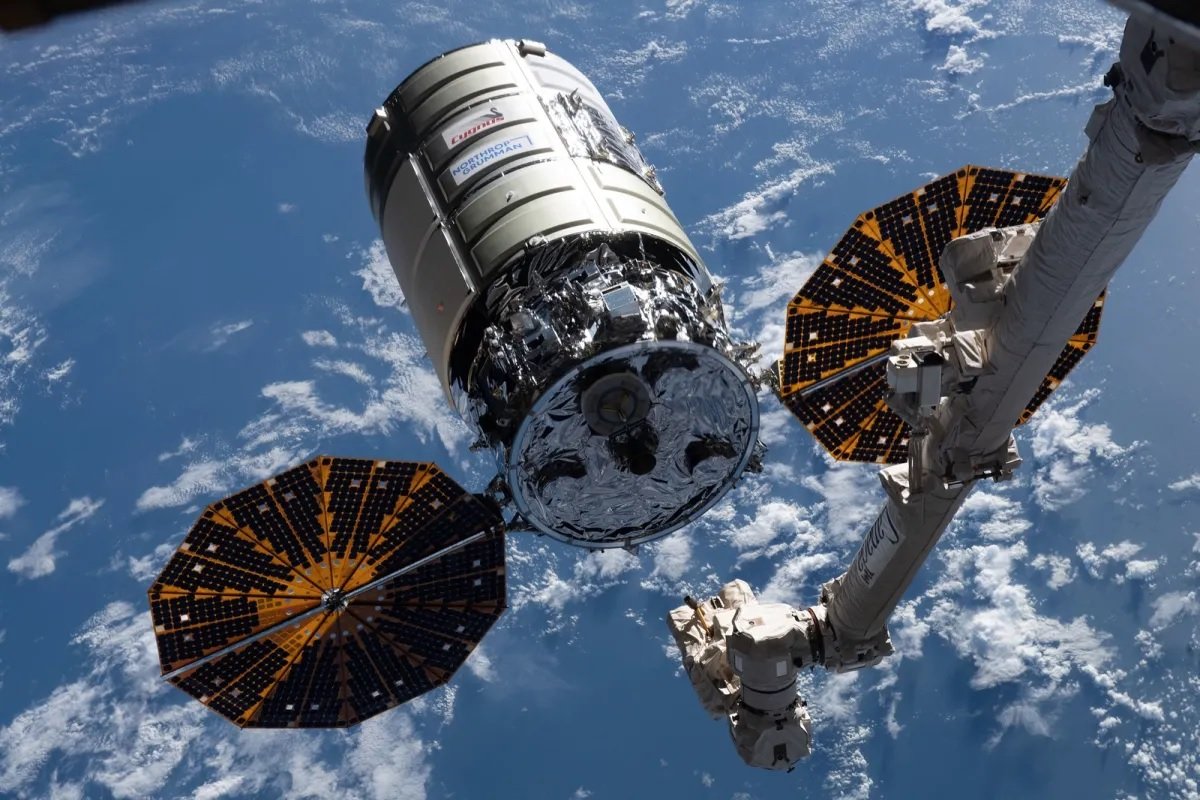
HALO is being developed by Northrop Grumman for NASA's Gateway lunar space station. For the LID missions, the company is adapting HALO-related power distribution, data handling and mechanical interface systems for use on the lunar surface.
The approach is intended to allow NASA and Northrop Grumman to obtain performance information from actual lunar surface operations without developing an entirely new set of systems for the demonstrations.
The company said the reuse of existing HALO technology can reduce development risk and allow the power and data infrastructure to be deployed more quickly.
Supporting NASA's Moon Base Plans
The three LID missions are designed to demonstrate infrastructure capabilities first and then provide information that can be used to scale those systems for future lunar operations.
Data collected directly from the lunar surface is expected to support NASA's planning for future Artemis surface campaigns and longer-duration robotic and human missions.
NASA's current Moon Base plan divides development into three phases. Phase One, running through 2029, focuses on experimentation and learning. Phase Two, from 2029 to 2032, is planned to establish early infrastructure and habitation capabilities. Phase Three, beginning in 2032, is intended to support a sustained human presence on the lunar surface.
NASA has already outlined plans for early power and communications demonstrations during Phase One. The agency's Moon Base systems plan includes technologies for power generation and survival during extended periods of darkness, as well as communications systems to connect lunar surface assets with other systems and Earth.
Northrop Grumman said the LID missions will contribute to this development by testing the infrastructure required to keep lunar surface assets powered, protected and connected.
“As America embarks on the next chapter in human space exploration, our Lunar Infrastructure Demos will help turn the Moon into a place where astronauts can stay, work and make discoveries that benefit humanity,” said David Schiller, vice president of civil space and sciences at Northrop Grumman. “Our ready-to-fly, reliable HALO technologies allow NASA to move faster, putting in place robust infrastructure that can endure the lunar night and establish a strong blueprint for a future Moon Base.”
The company has not announced specific launch dates for LID-1, LID-2 or LID-3, and cost figures for converting the HALO hardware have not been released. The missions are planned as part of the first phase of NASA's Moon Base development.
Overall, the LID program is intended to provide NASA with direct operational experience with lunar surface infrastructure before larger systems are deployed to support extended human and robotic activity near the lunar South Pole.
——— End of Article ———