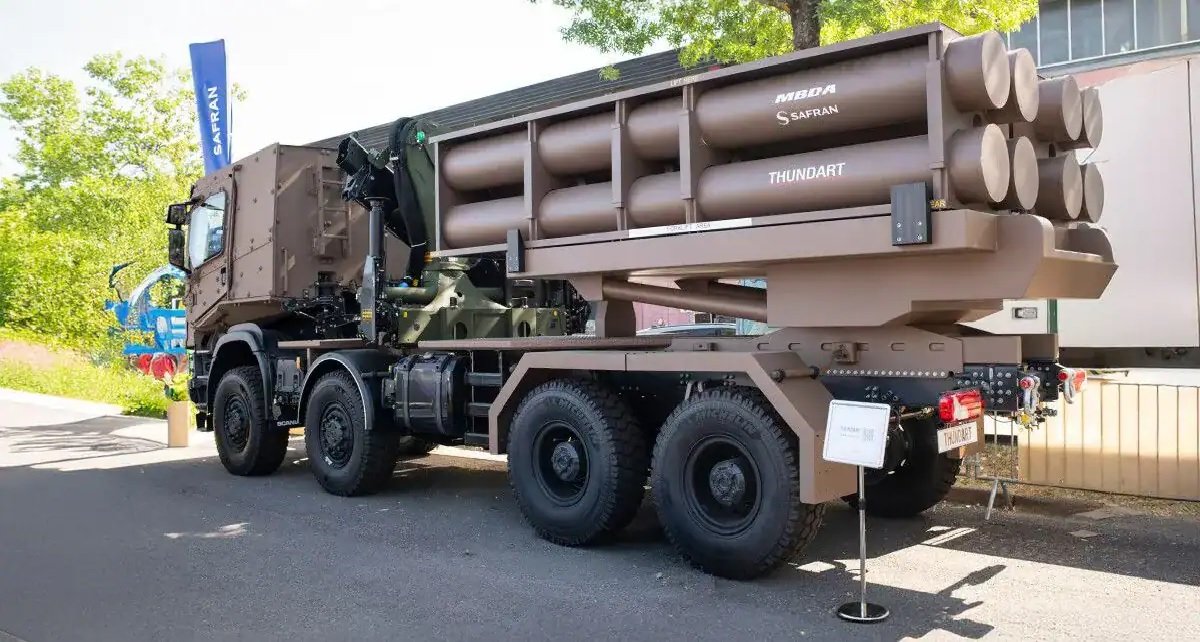
PARIS — Prototypes of France's next-generation THUNDART long-range rocket system could soon undergo battlefield testing in Ukraine, according to reports citing an anonymous source. The reported deployment has not been officially confirmed, and neither MBDA, Safran, nor the French Ministry of Armed Forces has issued a statement verifying the claim.
According to the monitoring group French Aid to Europe, the reported objective is to obtain a "combat-proven" designation by evaluating the system in real combat conditions against Russian forces. However, the information remains unverified.
🚨 🇫🇷🇺🇦 Selon une source anonyme, des prototypes du système THUNDART, qui sera la future capacité de frappe dans la profondeur de l’armée de Terre et qui va succéder aux LRU, devraient être testés en Ukraine pour obtenir le label “combat-proven”. pic.twitter.com/I8HGDoAap5
— French Aid to Europe 🇨🇵 🇪🇺 (@aidefranceukr) July 23, 2026
THUNDART Selected as France's Future Long-Range Strike System
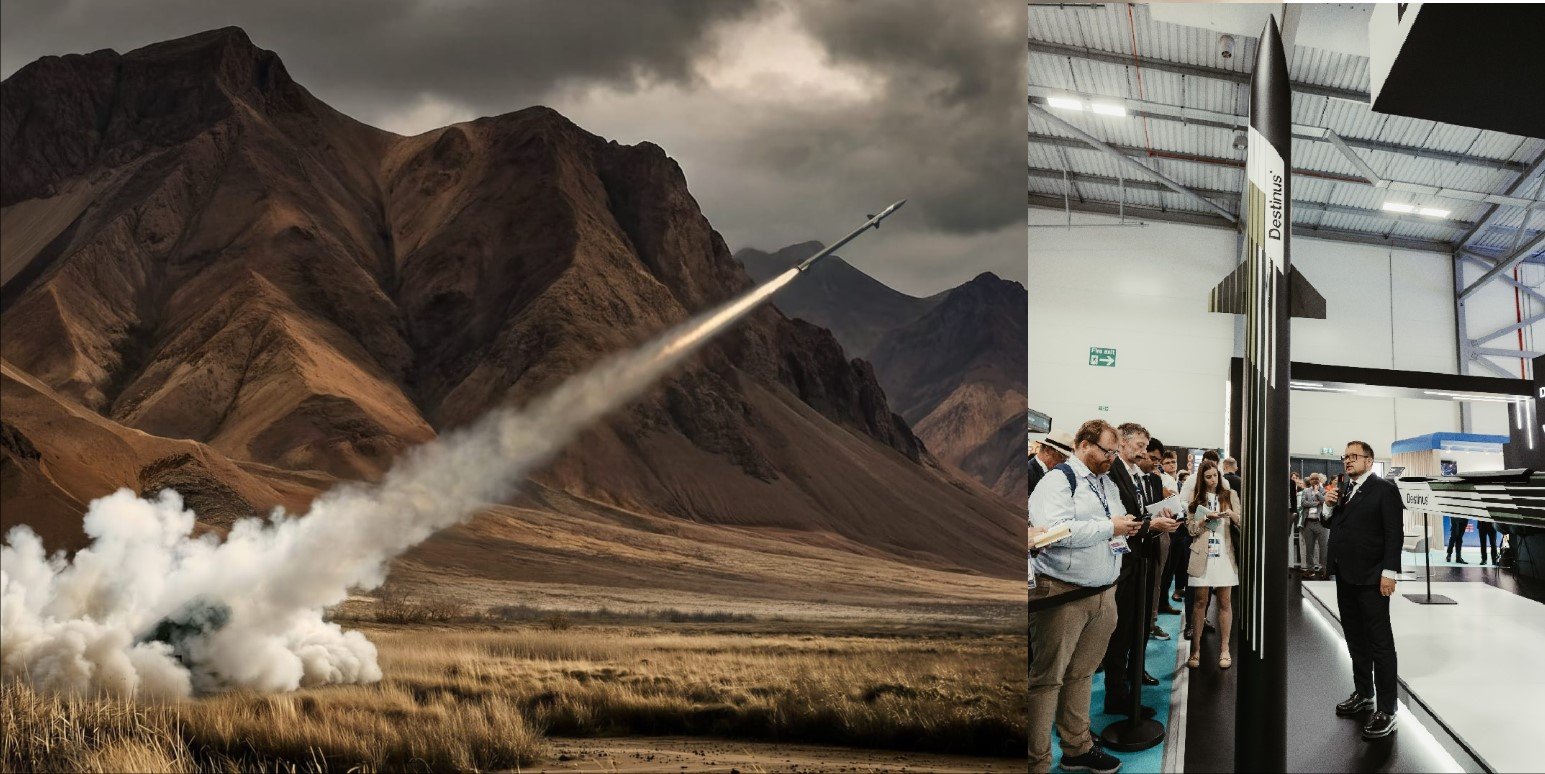
THUNDART is being jointly developed by MBDA and Safran Electronics & Defense as the successor to the French Army's Lance-Roquettes Unitaire (LRU) rocket artillery system, a modernized version of the M270 platform that is nearing the end of its service life.
The system was selected under France's Frappe Longue Portée Terrestre (FLPT) programme managed by the French defence procurement agency (DGA). On June 15, 2026, French Armed Forces Minister Catherine Vautrin announced that the government had entered exclusive negotiations with the MBDA-Safran consortium after THUNDART was chosen over competing proposals from Thales and ArianeGroup, as well as a late offer from Lockheed Martin to supply the HIMARS rocket system.
French authorities have prioritized a domestically developed, ITAR-free system that can be manufactured, modified, and exported without requiring U.S. export approval.
Ukraine's 'Test in Ukraine' Programme
If the reported deployment takes place, it would align with Ukraine's "Test in Ukraine" initiative launched by the state-backed defence innovation platform Brave1 in July 2025.
The programme allows foreign defence manufacturers to provide developmental weapon systems directly to Ukrainian forces for operational evaluation. In return, manufacturers receive detailed battlefield reports to help improve system performance and development.
At the programme's launch, Mykhailo Fedorov, Ukraine's former minister for digital transformation and defence, said the initiative provides battlefield feedback that cannot be replicated through laboratory testing. The programme focuses on systems including drones, missiles, and robotic ground vehicles.
Technical Features
THUNDART is designed to significantly increase the French Army's long-range precision strike capability.
The system will fire 227 mm guided rockets with an initial range of up to 150 kilometres, nearly doubling the approximately 70 to 80-kilometre range of the current LRU rockets. A second development phase aims to extend the system's range to up to 500 kilometres by 2035.
Each rocket carries a 100-kilogram-class warhead and uses a guidance system combining GPS and inertial navigation (INS) technology derived from Safran's AASM Hammer precision-guided bombs.
According to available information, the AASM guidance system has been used extensively by the Ukrainian Air Force and has demonstrated resistance to electronic warfare and GPS jamming, contributing to its selection for THUNDART.
Launcher and Mobility
The launcher will be mounted on an armoured Scania 8×8 truck chassis capable of travelling at speeds of up to 80 km/h on roads.
Each launcher will carry a pod containing eight rockets and will include an integrated lifting crane, allowing crews to reload the system independently without requiring additional support equipment.
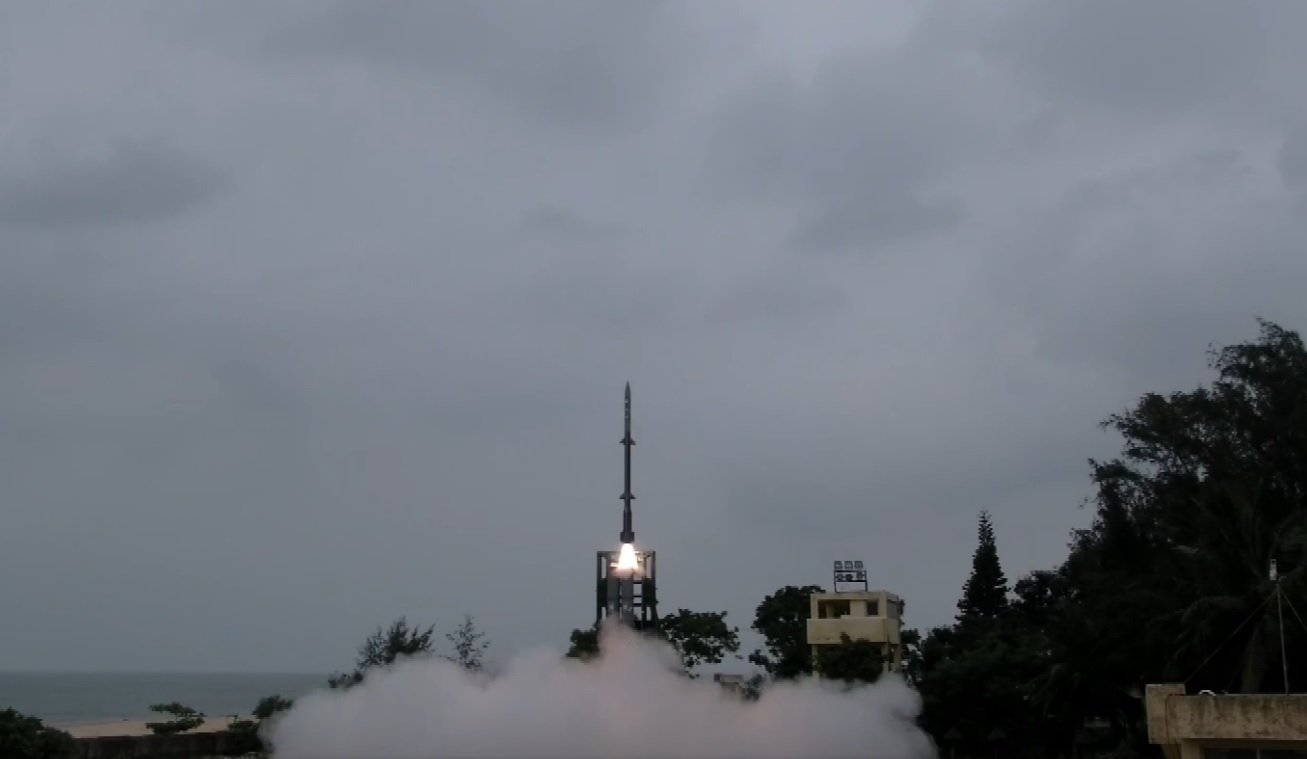
THUNDART completed its first demonstration launch on April 14, 2026, at the Île du Levant test site in France.
France's Long-Term Procurement Plan
France plans to field at least 13 THUNDART systems by 2030, with the fleet expected to expand to 26 launchers in the future.
The programme is intended to provide the French Army with a sovereign long-range strike capability while reducing dependence on foreign export controls for future upgrades and international sales.
Export Prospects
Belgium has expressed interest in becoming the first export customer for THUNDART.
According to Belgian defence officials, the commander of the Belgian Land Forces intends to acquire the same system selected by France. Belgium is also working to accelerate its long-range artillery procurement plans to 2030 to align with the development of a future combined-arms brigade with the French military.
If reports of prototype testing in Ukraine are confirmed, the system could gain operational experience before entering full service, potentially supporting future export opportunities. However, there has been no official confirmation from MBDA, Safran, or the French Ministry of Armed Forces that THUNDART prototypes will be deployed to Ukraine.
——— End of Article ———