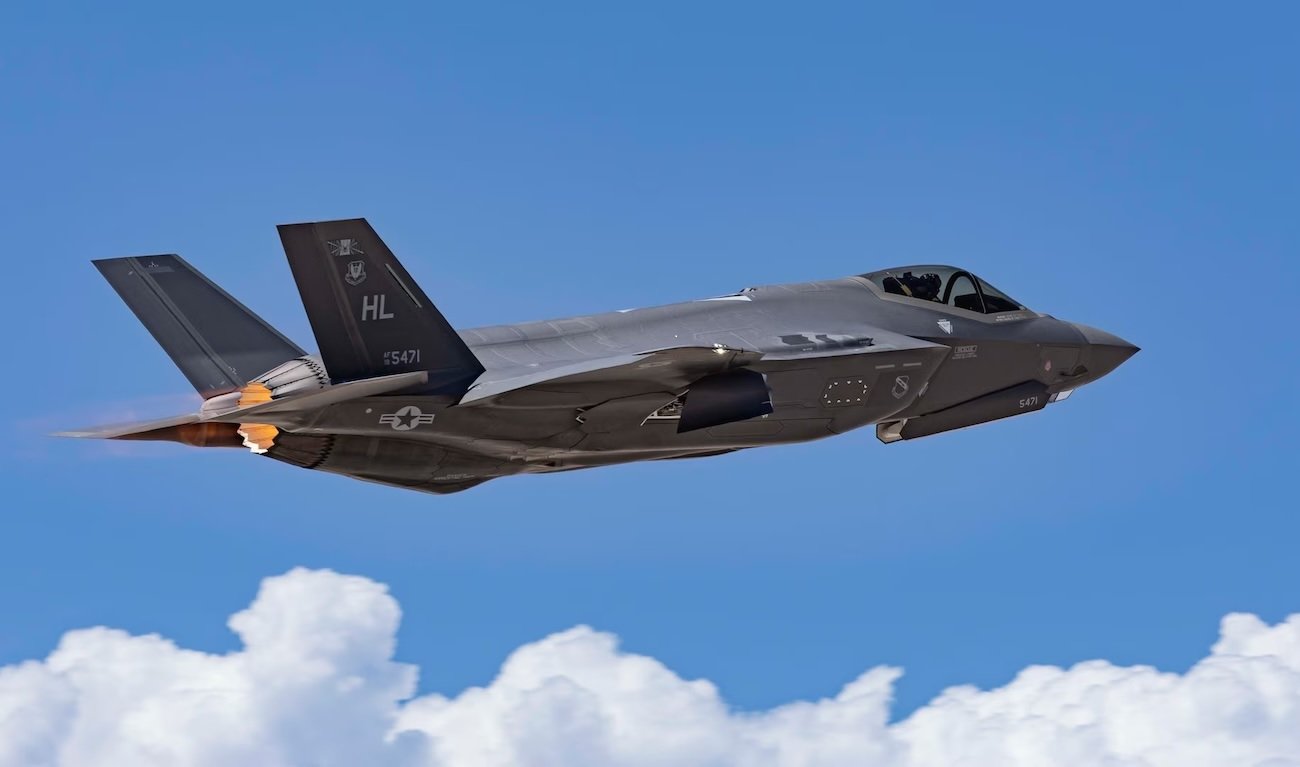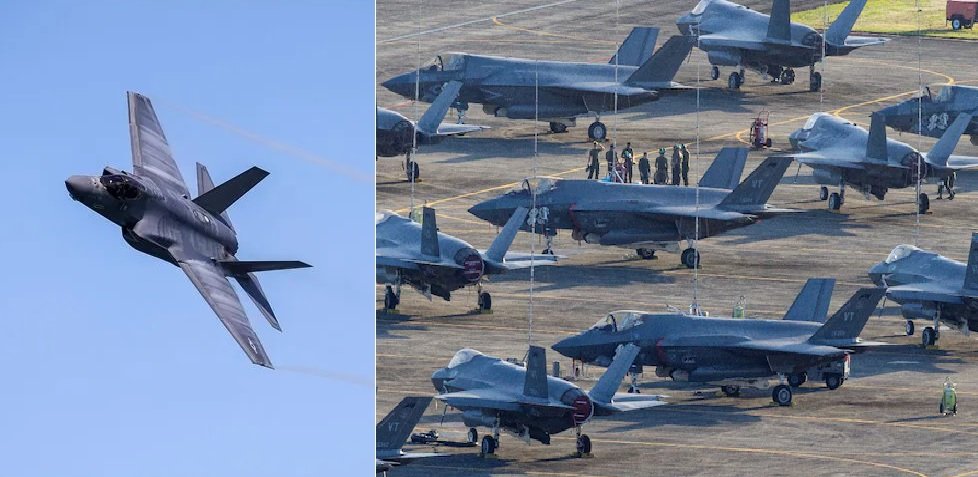
WASHINGTON — U.S. Central Command (CENTCOM) has stated that no American military aircraft were destroyed or damaged during recent Iranian attacks, directly rejecting claims made by Iran's Islamic Revolutionary Guard Corps (IRGC).
The IRGC had announced that its forces destroyed three U.S. F-35 fighter jets and damaged three others during retaliatory strikes. It also claimed that U.S. personnel were killed in the attack. CENTCOM denied those claims, stating that all missiles and drones launched during the attacks were either intercepted or failed to reach their intended targets.
Over the past few hours, Iranian state media have continued to report false claims by the Islamic Revolutionary Guard Corps (IRGC) – three in particular.
— U.S. Central Command (@CENTCOM) July 30, 2026
🚫 FIRST CLAIM: The IRGC (again) claims free and open routes through the Strait of Hormuz are dangerous for commercial… pic.twitter.com/J34ILmDvyk
According to Iranian statements, the operation was carried out in response to U.S. strikes on targets on Iran's Qeshm Island. The IRGC said it launched ballistic missiles at deployment areas and aircraft maintenance facilities at Al-Azraq Air Base, also known as Muwaffaq Salti Air Base, in Jordan.
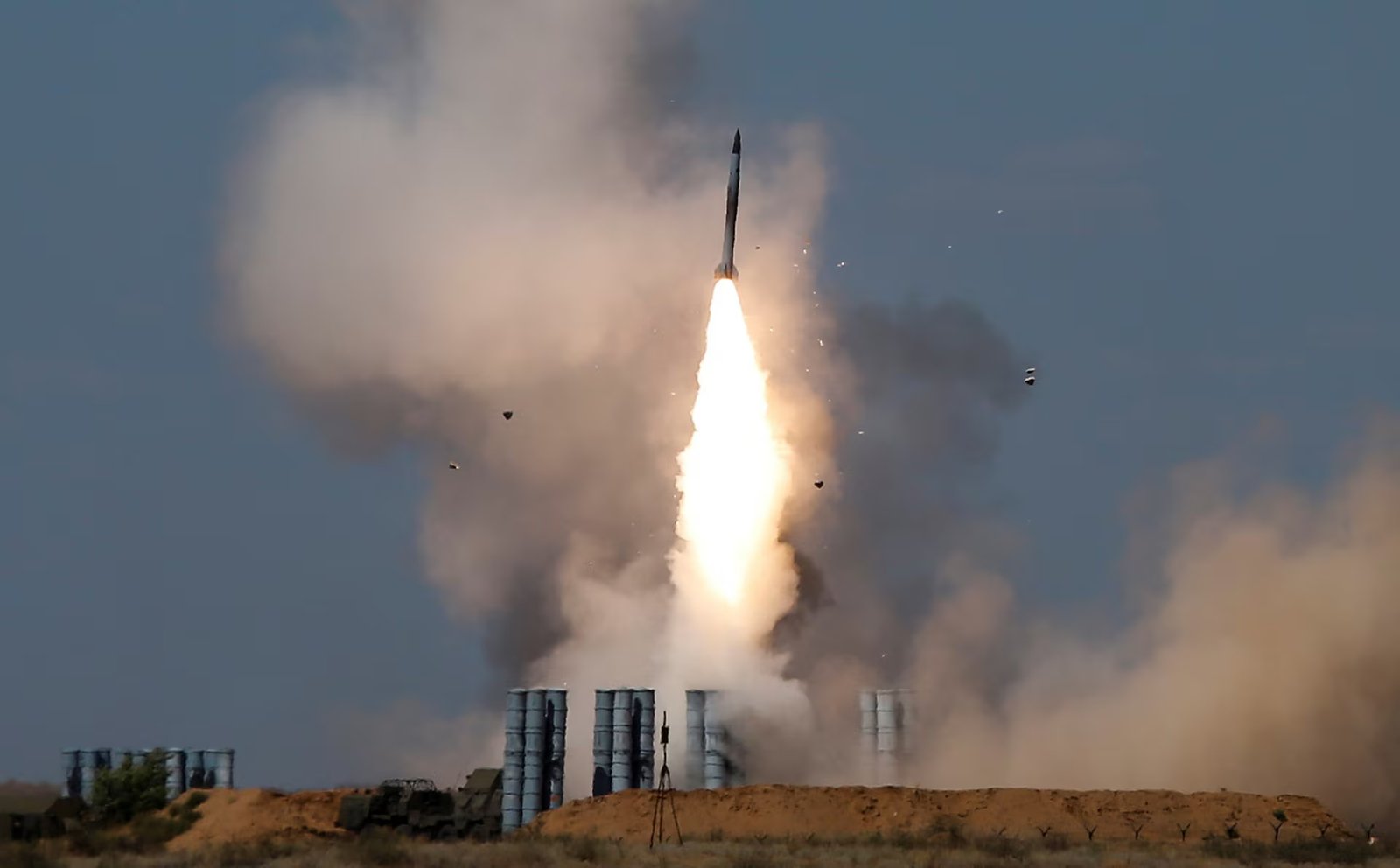
Jordan's armed forces confirmed that five missiles launched from Iran entered Jordanian airspace but said all were intercepted by the country's air defense systems. Jordan described the incident as the latest in a series of similar missile interceptions in recent days.
CENTCOM also responded to Iranian claims regarding the security situation in the Strait of Hormuz. The command rejected Iranian assertions that commercial shipping through the strategic waterway has become unsafe because of U.S. military operations. Instead, CENTCOM said the immediate threat to civilian vessels comes from the IRGC's verbal threats and attempted attacks.
The U.S. command reiterated that the Strait of Hormuz remains an international waterway open to commercial transit and said U.S. forces continue to support the safe movement of merchant vessels through the area.
Iran has maintained that it controls aspects of the Strait of Hormuz and has issued warnings related to maritime traffic. The IRGC has stated that the strait is under the control of its naval forces. CENTCOM rejected those claims, saying the waterway is governed by international maritime regulations and is not under IRGC jurisdiction.
CENTCOM also denied Iranian reports that the commercial oil tanker M/T Nora had broken through a U.S. naval blockade. The command said the vessel did not breach the blockade and added that enforcement operations remain in place.
According to CENTCOM, more than 20 U.S. warships, hundreds of aircraft, and thousands of service members are involved in enforcing the maritime measures. The operations target ships entering or leaving Iranian ports while allowing unrestricted passage for vessels that are only transiting the Strait of Hormuz. The command said U.S. forces have redirected multiple commercial vessels as part of those enforcement activities.
The latest statements come as military exchanges between the United States and Iran continue. CENTCOM said U.S. forces recently conducted strikes against IRGC targets in Iran, including command centers, missile and drone facilities, coastal sites, and maritime capabilities. The strikes followed what the command described as attempted Iranian ballistic missile attacks against U.S. personnel in the region. CENTCOM said those missiles were intercepted before reaching their targets.
The command also said that more than 50,000 U.S. service members remain deployed across the Middle East.
The latest developments highlight the continuing exchange of military operations and conflicting official accounts from Washington and Tehran. While Iran has reported successful attacks on U.S. military assets and control over maritime activity in the Strait of Hormuz, CENTCOM has rejected those claims, maintaining that no U.S. aircraft were lost, missile attacks were intercepted, and commercial shipping continues through the international waterway under U.S. support.
——— End of Article ———