NASHUA, N.H. — BAE Systems has been awarded a contract by Boeing to provide its AN/ALQ-250 Eagle Passive Active Warning Survivability System (EPAWSS) for the Republic of Korea Air Force (ROKAF) fleet of 59 F-15K Slam Eagle fighter aircraft. The contract supports South Korea's long-term effort to modernize its F-15K fleet and improve its ability to operate against current and emerging air defense threats.
The agreement is part of a Foreign Military Sales (FMS) program managed through South Korea's Defense Acquisition Program Administration (DAPA). The broader modernization project is expected to keep the F-15K fleet operational through 2037 while improving interoperability with U.S. and allied forces.
EPAWSS to Strengthen Electronic Warfare Capabilities
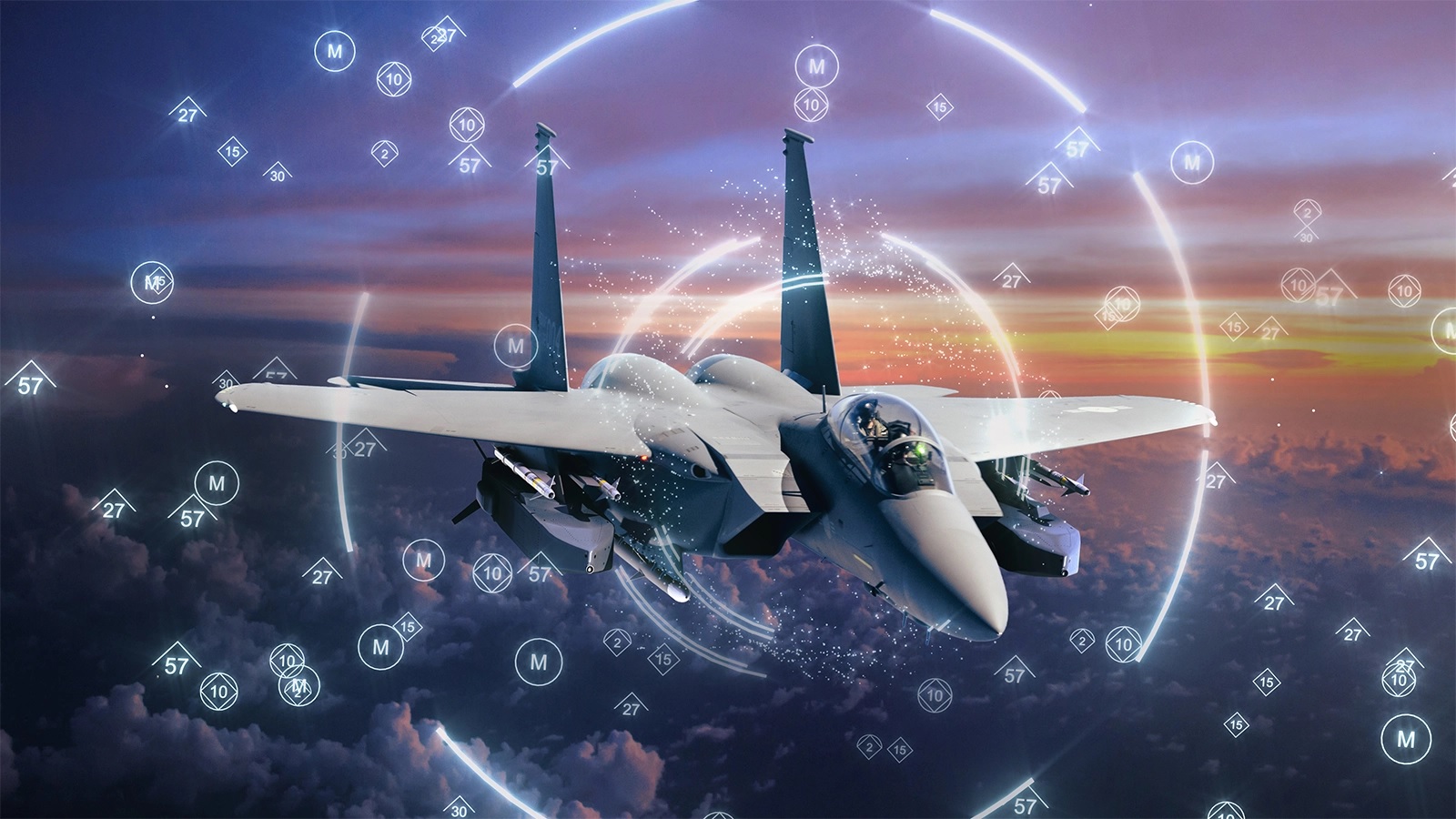
The AN/ALQ-250 EPAWSS is an all-digital electronic warfare suite designed to replace the F-15K's legacy radar warning receivers. The system provides pilots with 360-degree threat awareness, allowing them to detect, identify, and respond to hostile radar emissions and missile launches from any direction.
EPAWSS automatically manages electronic countermeasures, including the deployment of defensive systems such as chaff and flares, reducing pilot workload while improving aircraft survivability in electronically contested environments. The system is designed to operate effectively in dense electromagnetic environments where multiple radar and electronic signals are present.
Part of a Broader F-15K Modernization Program
The electronic warfare upgrade is one element of South Korea's larger approximately $3.1 billion F-15K modernization program, which is scheduled to continue through 2037.
Earlier in 2026, Boeing received a U.S. contract worth up to $2.8 billion to lead the design and integration of avionics and mission system upgrades for the aircraft. The first upgraded aircraft, commonly referred to as the F-15K+, is expected to be delivered by late 2028.
In addition to EPAWSS, the modernization package includes:
- AN/APG-82(V)1 Active Electronically Scanned Array (AESA) radar
- New mission computers
- Common Missile Warning System (CMWS)
- Updated avionics and mission systems
These upgrades are intended to improve target detection, tracking, and overall mission effectiveness while enabling closer operational compatibility with South Korea's F-35A stealth fighter fleet. The upgraded F-15Ks are expected to continue performing long-range strike missions and carrying large weapon payloads alongside newer aircraft.
Proven System Already in U.S. Service
Rather than adopting a new or experimental system, South Korea is procuring an electronic warfare suite that has already completed testing and entered full-rate production.
EPAWSS is currently being installed on the U.S. Air Force's F-15EX Eagle II and is also being retrofitted onto existing F-15E Strike Eagle aircraft. BAE Systems says the system is designed for future growth through regular software and firmware updates, allowing new capabilities to be introduced over time.
Company Statement
Phillip Casalegno, F-15 International Program Director at BAE Systems, said the company is working closely with Boeing, the Republic of Korea Air Force, and regional industry partners throughout the program.
"We are working closely with Boeing, the ROKAF and regional industry teams to deliver the most technically advanced EW system for the F-15K aircraft upgrade. Our focus is on providing allies with EW capabilities needed to support regional stability and security."
The EPAWSS systems for South Korea's fleet will be designed and manufactured at BAE Systems' facilities in Nashua, New Hampshire, and Austin, Texas.
F-15K Fleet Remains a Key Part of South Korea's Air Force
South Korea originally acquired 61 F-15K Slam Eagle fighter jets through procurement programs launched in 2002 and 2008. Following two aircraft losses in separate accidents, the operational fleet now consists of 59 aircraft.
The F-15K remains one of the Republic of Korea Air Force's primary long-range strike platforms. It is capable of carrying a wide range of precision-guided weapons, including TAURUS KEPD 350 cruise missiles, SLAM-ER stand-off missiles, Harpoon anti-ship missiles, and various guided bombs.
The latest EPAWSS contract represents another step in South Korea's effort to extend the service life of its existing fighter fleet while improving electronic warfare capability, survivability, and interoperability with allied air forces.
Source : baesystems
——— End of Article ———