RIYADH — Saudi Arabia and 13 other countries have officially established the Multinational Maritime Defense Coalition, a new regional security initiative aimed at protecting international shipping lanes across the Red Sea, Bab al-Mandab Strait, and Gulf of Aden.
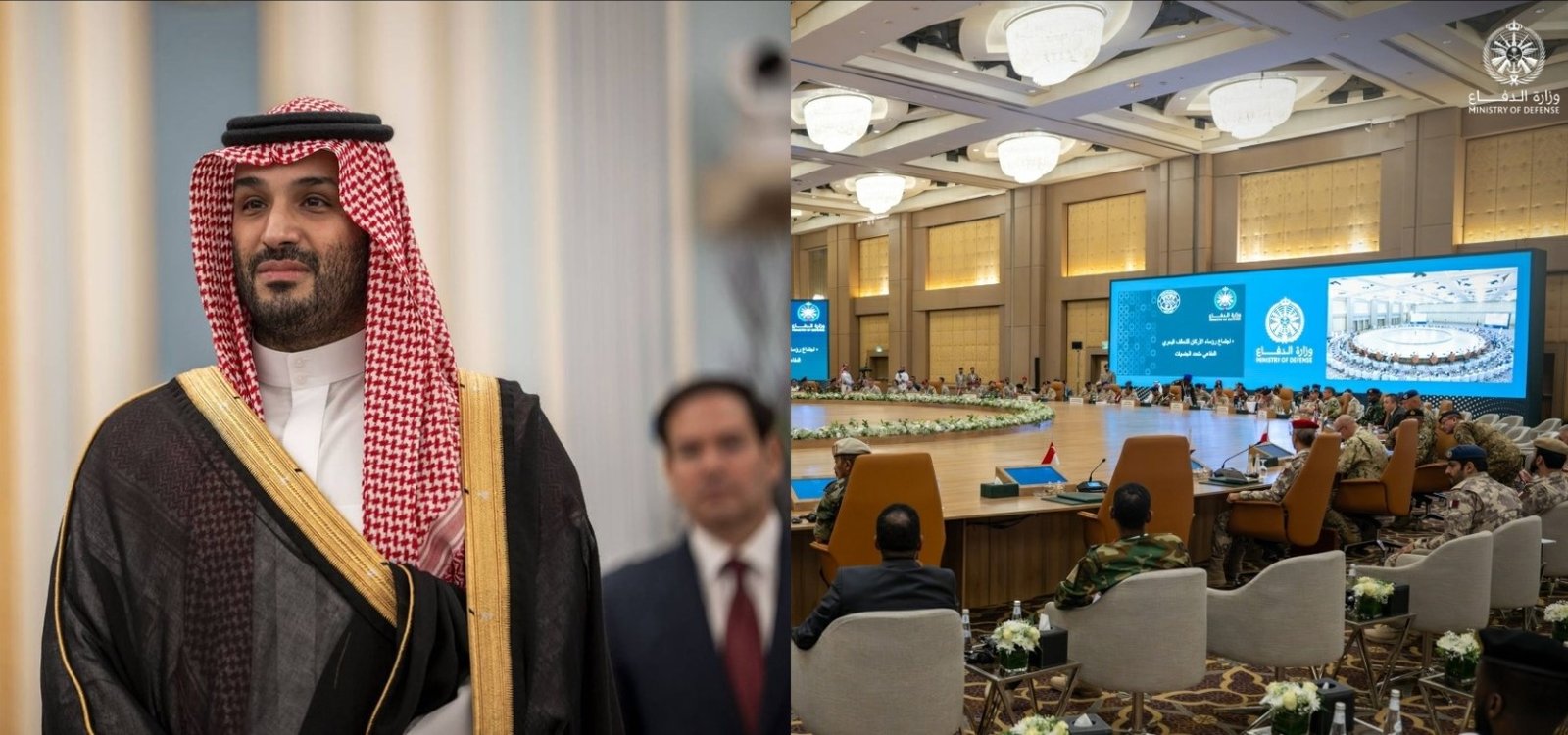
The coalition was announced following a high-level meeting hosted by the Saudi Ministry of Defense in Riyadh, where chiefs of staff and military representatives from 43 countries and a European Union delegation discussed maritime security challenges. According to Saudi officials, 51 countries and organizations were invited to the meeting, with participants attending both in person and via video conference.
Fourteen Countries Join as Founding Members
A joint declaration was signed by 14 countries, marking the formal launch of the coalition and the start of its founding procedures.
The founding members are:
- Middle East & Gulf: Saudi Arabia, Bahrain, Kuwait, Qatar, Jordan, Yemen (internationally recognized government)
- Africa: Egypt, Sudan, Djibouti, Somalia, Nigeria
- Asia: Turkey, Pakistan, Bangladesh
Saudi Arabia will serve as the coalition's founding and leading state. The Kingdom will host the alliance's permanent headquarters, General Secretariat, Joint Operations Coordination Center, and Joint Maritime Operations Center.
Coalition Focuses on Maritime Security
According to the joint declaration, the coalition is a framework for maritime defense cooperation designed to strengthen security in some of the world's busiest shipping corridors.
Its objectives include:
- Enhancing maritime security.
- Protecting freedom of navigation.
- Securing international trade and energy supply routes.
- Safeguarding shared maritime interests in the Red Sea, Bab al-Mandab Strait, and Gulf of Aden.
Officials emphasized that the coalition is purely defensive and does not target any state, alliance, or international organization. All activities will be conducted in accordance with international law, United Nations conventions, and established international norms while respecting the sovereignty of participating countries.
Cooperation Through Joint Operations
Member countries will complete their domestic procedures before formally joining the coalition's charter.
The alliance plans to strengthen cooperation through:
- Intelligence and information sharing.
- Operational planning.
- Joint military exercises.
- Training and capacity building.
- Joint maritime operations.
Military planners from participating and interested countries will continue work on finalizing the coalition's charter, organizational structure, command-and-control arrangements, and operating mechanisms. Saudi officials said the initiative will remain open to additional countries that share its objectives and complete the required national procedures.
Response to Growing Maritime Threats
The Saudi Ministry of Defense said the coalition was established in response to increasing threats against commercial vessels, oil tankers, and maritime infrastructure in the region.
According to the ministry, these security risks have affected navigation safety, disrupted global supply chains, and impacted the international economy, highlighting the need for stronger multilateral defense cooperation.
The coalition's formation comes amid renewed tensions in the Red Sea. In late July, Yemen's Houthi group announced a maritime blockade targeting Saudi-linked vessels and later claimed responsibility for attacks on several commercial ships.
Saudi Arabia has also carried out airstrikes against Houthi military facilities in Yemen's Hodeidah province, targeting sites that it said were being used to threaten international maritime traffic.
Strategic Importance of the Waterways
The coalition's operational area includes the Bab al-Mandab Strait, a key maritime chokepoint connecting the Red Sea with the Gulf of Aden and the Arabian Sea.
Together with the Suez Canal, the route forms one of the shortest maritime links between Europe and Asia and carries a significant share of global seaborne trade, including crude oil, liquefied natural gas (LNG), and container cargo.
Recent disruptions in the region have prompted some commercial vessels to use longer alternative routes, increasing transit times and shipping costs.
Some Regional States Yet to Join
Although the coalition received broad international support during the Riyadh meeting, not all regional partners joined as founding members.
The United Arab Emirates and Oman, both members of the Gulf Cooperation Council (GCC), did not sign the joint declaration. The United States participated in the discussions in Riyadh but did not formally join the coalition.
Saudi officials said the alliance remains open to additional countries, with further steps to finalize its charter and begin joint maritime activities expected in the coming period.
——— End of Article ———