WASHINGTON — Iran's Kheibar Shekan medium-range ballistic missile has emerged as a significant challenge for U.S. and allied missile defense systems during the ongoing conflict in the Middle East. U.S. defense officials have raised concerns about the missile's performance and the tactics used in its employment, which are placing increasing pressure on regional air defense networks and interceptor inventories.
According to reports citing U.S. officials, Iranian forces are no longer relying on predictable ballistic missile trajectories. Instead, they are employing varied flight paths, different speeds, maneuverable re-entry vehicles, and coordinated drone attacks. These saturation tactics require U.S. and allied air defense systems to launch larger numbers of interceptors while reducing the probability of successful interceptions.
Kheibar Shekan's Design and Capabilities
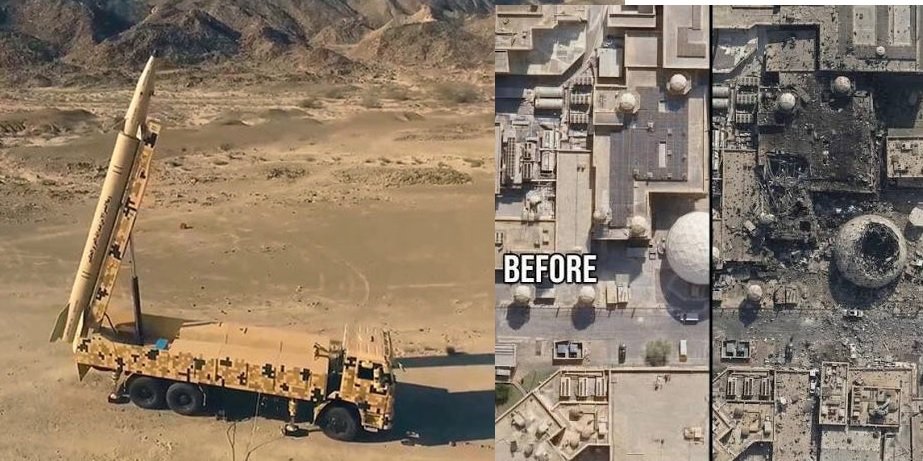
The Kheibar Shekan was unveiled by the Islamic Revolutionary Guard Corps (IRGC) Aerospace Force in 2022 as a third-generation solid-fuel medium-range ballistic missile. It has a reported range of up to 1,450 kilometers, measures 11.4 meters in length, weighs approximately 4.5 tons, and carries a 550-kilogram explosive warhead.
A key feature of the missile is its solid-fuel propulsion, which allows significantly faster launch preparation than older liquid-fuel ballistic missiles. This reduces the time launch crews are exposed before firing and enables rapid relocation after launch.
The missile is carried on 10-wheel commercial transporter-erector-launchers (TELs), providing high road mobility. This allows launch units to fire and quickly move to new positions, making them more difficult to target. Efforts to destroy Iranian missile forces before launch have also been complicated by extensive underground missile facilities that enable operations to resume quickly after attacks.
Analysts have linked the missile's development to Iran's acquisition of North Korean Hwasong-10 ballistic missile technology during the 2000s. The Hwasong-10 itself was derived from the Soviet R-27 Zyb submarine-launched ballistic missile.
Maneuverable Re-entry Vehicle Increases Interception Difficulty
Unlike conventional ballistic missiles that follow relatively predictable paths during the final stage of flight, the Kheibar Shekan is equipped with a maneuverable re-entry vehicle featuring a tri-conic design. The missile's nose section can adjust its flight path during the terminal phase, making interception more difficult.
During atmospheric re-entry, the missile is estimated to travel at speeds between Mach 2 and Mach 3. These late-stage maneuvers shorten the available engagement window for missile defense systems and require interceptors to respond to rapid trajectory changes.
Pressure on U.S. and Allied Missile Defenses
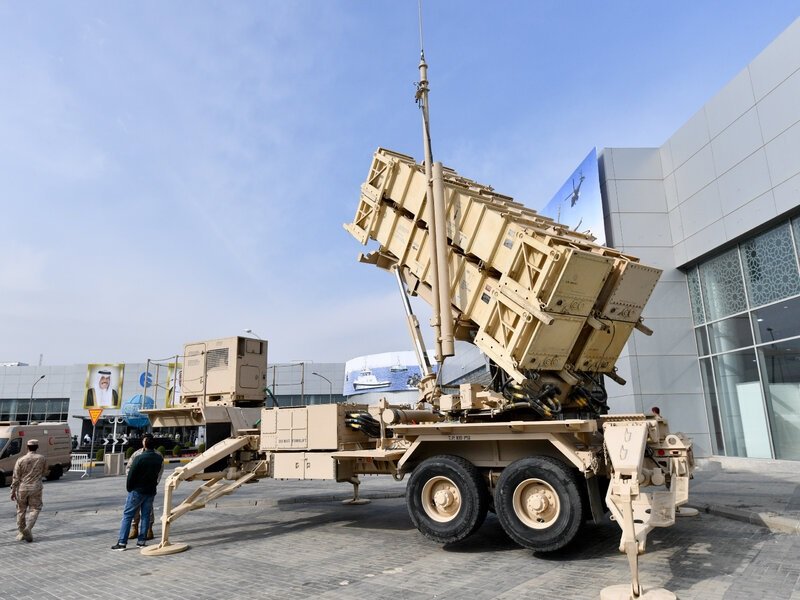
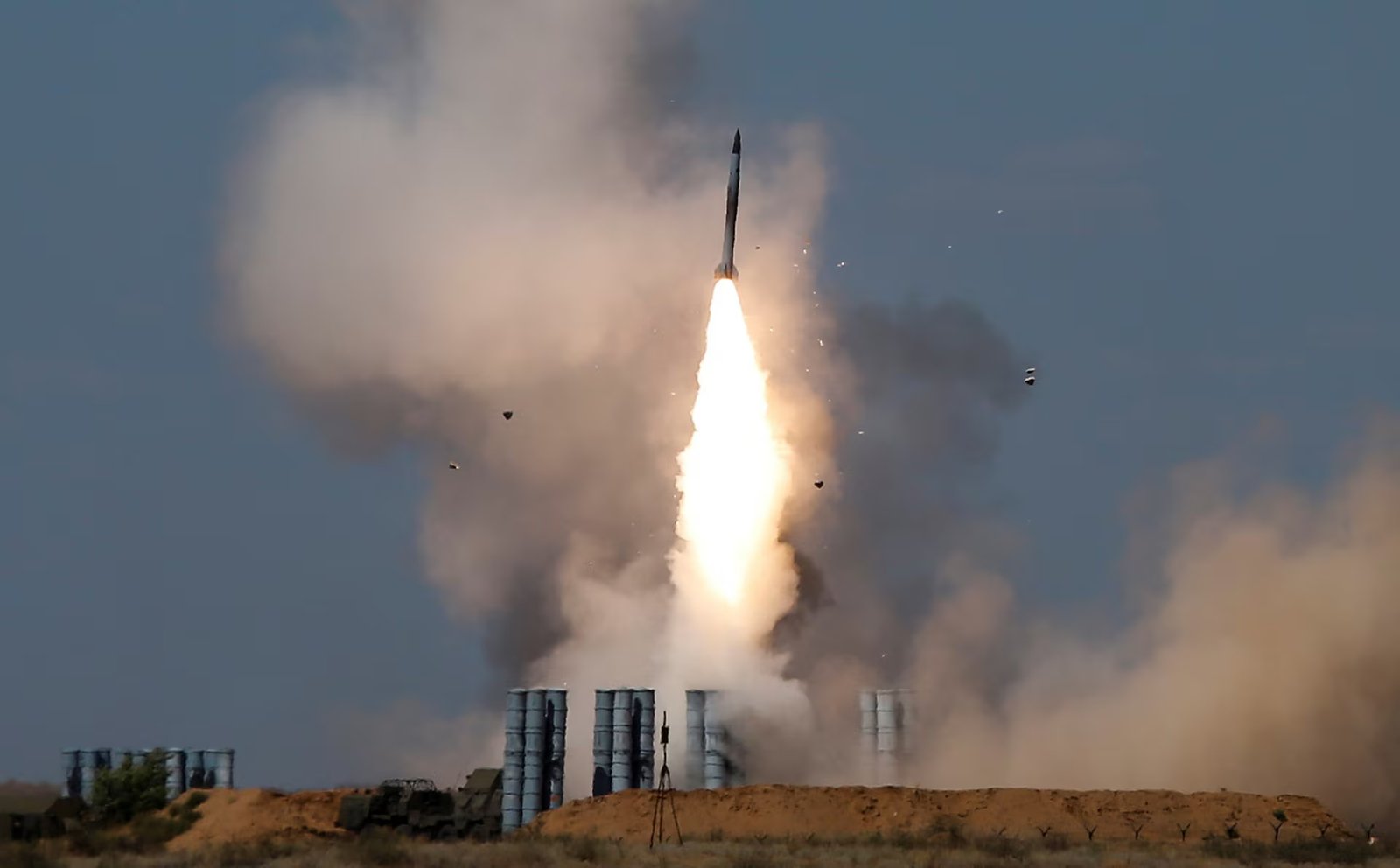
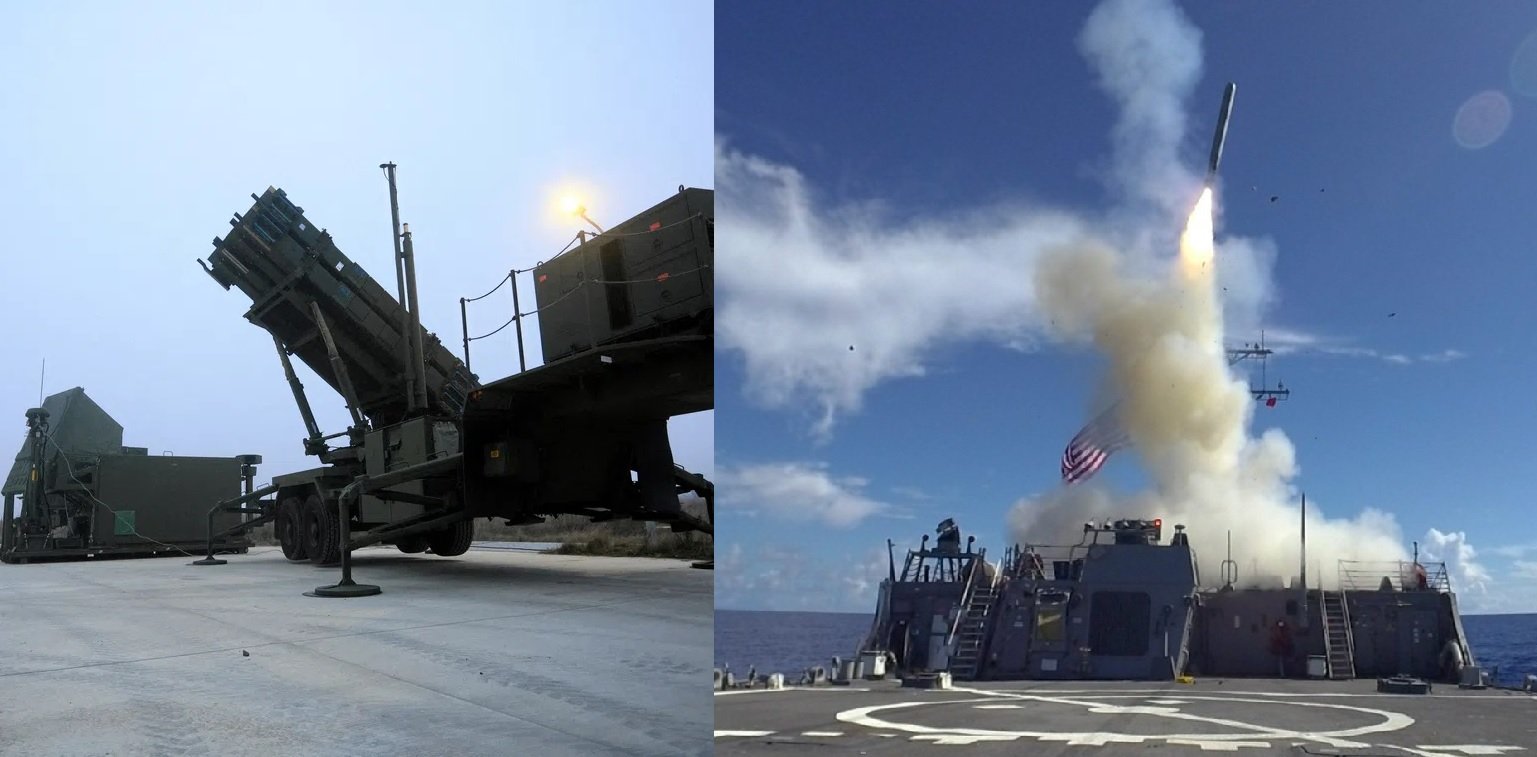
Regional missile defense relies primarily on U.S. Army THAAD and Patriot batteries, along with U.S. Navy Aegis destroyers equipped with SM-3 and SM-6 interceptors.
Repeated missile engagements have placed increasing demands on interceptor inventories. U.S. officials have expressed concern about the long-term sustainability of maintaining current interception rates if large-scale missile attacks continue.
The financial balance also favors the attacking side. Reports note that the Kheibar Shekan is relatively inexpensive to produce, while a single THAAD interceptor launch costs more than $15.5 million. By launching large salvos designed to saturate defenses, Iran can force defending forces to expend significant numbers of costly interceptors even when many incoming missiles are destroyed.
Military analysts also note that this approach allows Iran to preserve more advanced missile systems, including the Fattah 2, which incorporates a hypersonic glide vehicle intended for higher-priority targets.
Radar Losses Reduce Situational Awareness
The effectiveness of regional missile defenses has also been affected by damage to key radar infrastructure.
In March 2026, the Israeli newspaper Haaretz reported that up to 80 percent of Iranian missiles launched against Israel were reaching their targets, indicating declining interception performance during sustained attacks.
According to reports, the Islamic Revolutionary Guard Corps (IRGC) has targeted several high-value radar systems supporting U.S. and allied missile defense operations. Reported losses include the AN/FPS-132 early-warning radar in Qatar and two AN/TPY-2 radars located in Jordan and the United Arab Emirates.
The AN/TPY-2 radar is a critical component of the THAAD ballistic missile defense network. Damage to these forward-deployed radar sites has reduced situational awareness for U.S. and Israeli air defense systems, increasing reliance on offshore ship-based radars and the remaining AN/TPY-2 radar station in Turkey.
Continuing Impact on Regional Air Defense Operations
Recent reporting, including coverage published in July 2026, indicates that the Kheibar Shekan has become one of the missiles most frequently used in Iranian attacks against U.S. bases and other military assets. U.S. officials say Iranian forces continue adapting launch methods by varying missile trajectories, speeds, terminal maneuvers, and coordinating attacks with drones based on observed interception patterns.
Although U.S. and allied missile defense systems continue to intercept many incoming missiles, officials acknowledge that some have penetrated defensive networks. The Kheibar Shekan's combination of solid-fuel readiness, road mobility, maneuverable re-entry capability, and coordinated employment tactics continues to present a significant operational challenge for U.S. and allied missile defense forces across the region.
Source : militarywatchmagazine
——— End of Article ———