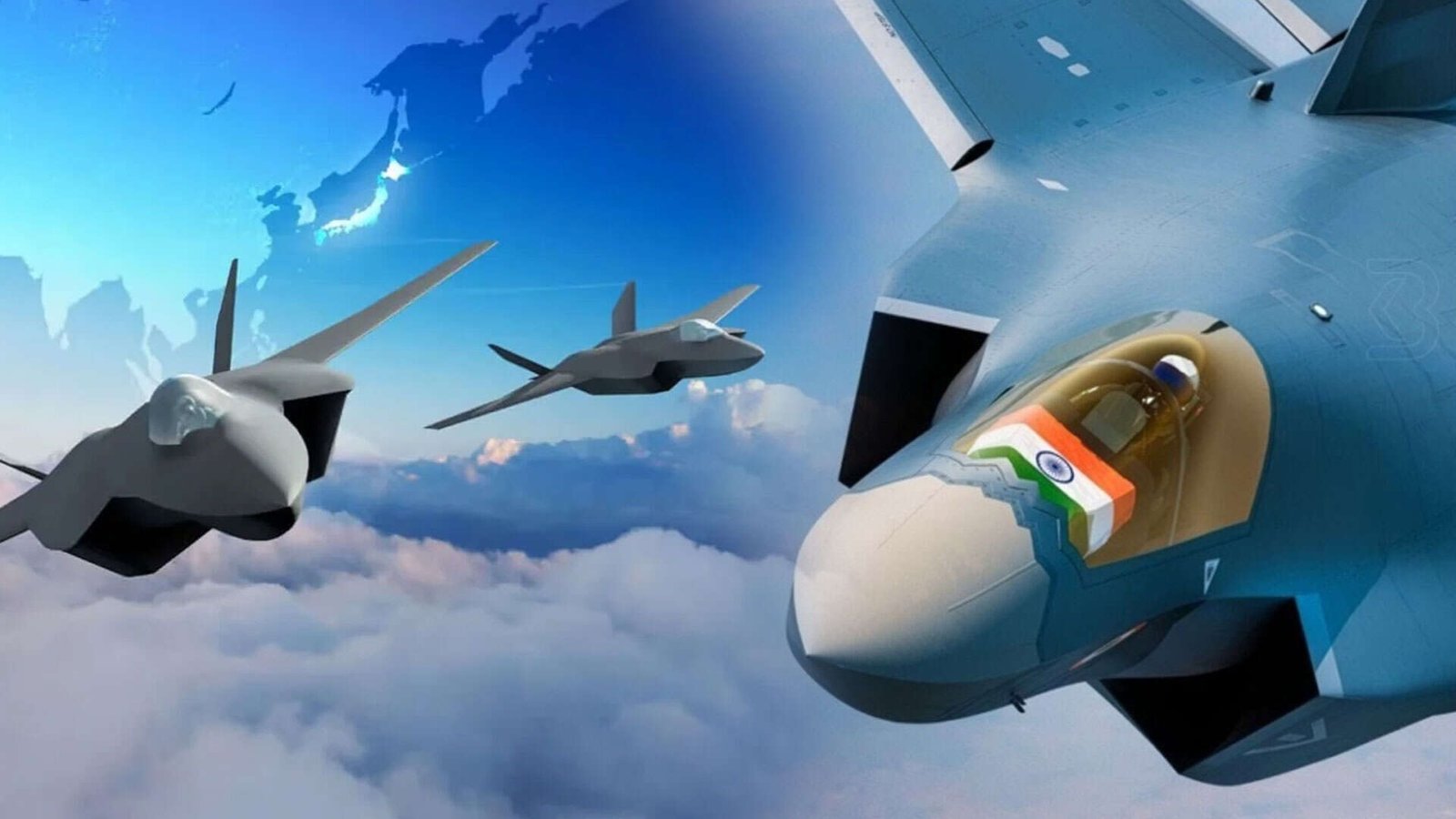
ARNBOROUGH, July 2026 — The Global Combat Air Programme (GCAP), the United Kingdom, Italy and Japan's joint effort to develop a sixth-generation stealth fighter, has entered a critical phase as programme leaders set the end of 2026 as the practical deadline for countries seeking to join as full partners.
The timeline was outlined by Leonardo Chief Executive Officer Lorenzo Mariani during the Farnborough International Airshow, where he said nations interested in joining the programme should make their decision within the next 12 months to avoid affecting the project's schedule.
"My personal opinion 2026… maximum one year from now," Mariani said, noting that while governments will ultimately decide on new members, the industrial partners are working against a fixed timeline to deliver the aircraft by 2035.
The Global Combat Air Programme was launched in 2022 by the United Kingdom, Italy and Japan to develop a supersonic sixth-generation stealth fighter. The aircraft is intended to replace the Eurofighter Typhoon in some European air forces and Japan's Mitsubishi F-2 fleet. The consortium is targeting entry into service by 2035, with the first demonstrator aircraft planned before the end of 2027.
Canada Becomes First Observer Nation
The programme expanded for the first time on July 21, 2026, when Canada became the first observer nation following a meeting of defence ministers from the United Kingdom, Italy, Japan and Canada.
Observer status provides Canada with greater visibility into GCAP's governance, technological capabilities and industrial structure. However, it does not make Ottawa a full programme partner and carries no obligation to fund aircraft development or purchase the future fighter.
Canada's participation marks the first formal expansion of GCAP beyond its three founding members while preserving the existing partnership structure.
£4.6 Billion Contract Advances Detailed Design
GCAP moved from its conceptual phase into detailed engineering on July 3, 2026, after the GCAP Agency awarded an 18-month contract worth £4.6 billion (approximately US$6.1 billion) to Edgewing.
Edgewing serves as the programme's prime contractor and brings together BAE Systems of the United Kingdom, Leonardo of Italy and the Japan Aircraft Industrial Enhancement Company (JAIEC).
The contract covers the advanced concept and assessment phase as well as detailed design work through the end of 2027. It follows an earlier £686 million contract awarded in April.
The programme also received long-term financial backing after the UK Government's Defence Investment Plan committed £8.6 billion (approximately US$11.5 billion) to GCAP over the next four years.
Germany Examines Joining After FCAS Setback
GCAP's progress comes as Germany reassesses its future combat aircraft plans following the effective end of the Franco-German-Spanish Future Combat Air System (FCAS) programme in June 2026.
At the Farnborough Airshow, Airbus Defence and Space said it is open to participating in GCAP.
Michael Schoellhorn, head of Airbus' defence division, said the company would consider joining if it secured a significant industrial role and leadership responsibilities.
"What we're ready to do is to join something or to build something where we have a significant portion of the work and the leadership. That's currently being explored," Schoellhorn said.
Mariani said German participation would strengthen the programme because of Germany's aerospace industry, funding capability and previous experience on collaborative fighter programmes such as the Eurofighter Typhoon. At the same time, he cautioned that adding new partners during the current phase could affect programme timelines and require adjustments to industrial work-sharing arrangements.
France Pursues Separate Fighter Programme
While GCAP continues to expand, France's Dassault Aviation is pursuing a separate next-generation fighter programme.
The company has said discussions are ongoing with the French government regarding an alternative programme that could produce a demonstrator aircraft in 2031 or 2032. Dassault Chief Executive Officer Éric Trappier has also stated that the company requires sufficient industrial control and a programme focused on French requirements.
With FCAS no longer advancing as a multinational fighter programme, GCAP remains the principal multinational sixth-generation fighter project currently open to additional partners. The United States and China continue developing their own sixth-generation aircraft programmes without seeking international partners.
India Faces a Limited Decision Window
India is among the countries closely watching developments in the programme.
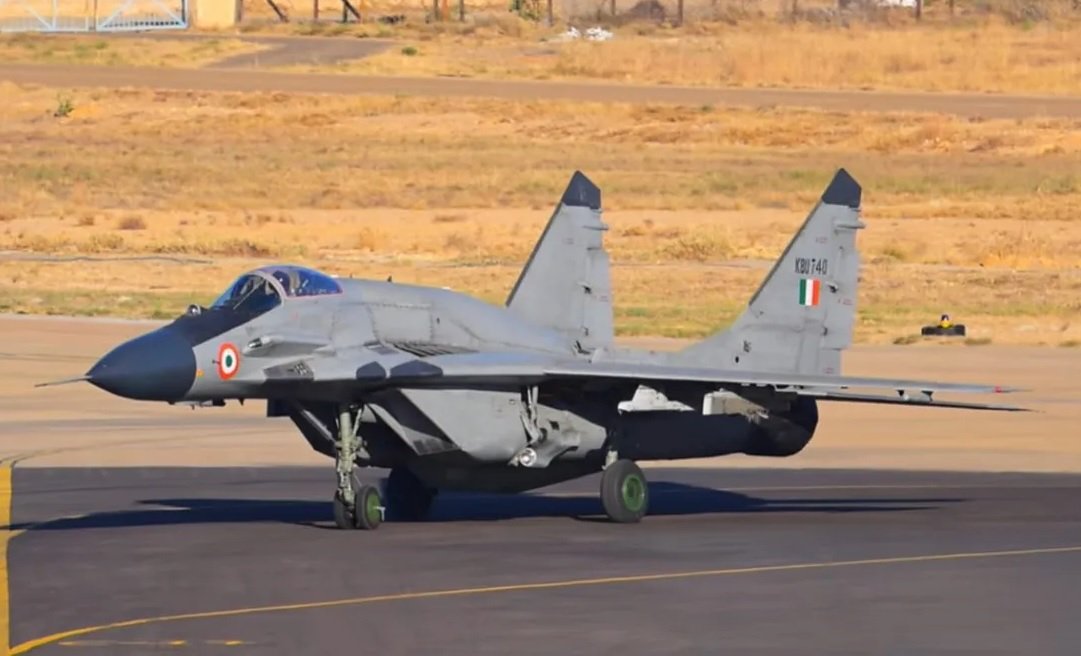
In March 2026, the 20th Report of the Indian Standing Committee on Defence stated that the Indian Air Force (IAF) was examining possible collaboration with one of the two European sixth-generation fighter programmes that were active at the time—GCAP and FCAS. The committee recommended that the Ministry of Defence establish a roadmap for acquiring next-generation combat aircraft.
The report also highlighted that the IAF currently operates 29 active fighter squadrons against an authorised strength of 42 squadrons.
Earlier this year, Japanese officials approached Indian counterparts regarding possible participation in GCAP, building on previous discussions held with the United Kingdom during the earlier Tempest programme. Reports have indicated that an invitation was extended for India to consider participation.
Some Japanese commentary has suggested India could contribute manufacturing capability and investment to the programme, while discussions have also noted that joining after the major design and industrial work-share decisions are completed could present additional considerations.
If India decides to become a full partner, Mariani's comments indicate that a decision would need to be made by the end of 2026 to avoid affecting the programme's development schedule.
GCAP is targeting its first demonstrator flight before the end of 2027 and aims to introduce the sixth-generation fighter into operational service by 2035. At present, the United Kingdom, Italy and Japan remain the programme's full partners, while Canada is its first observer nation.
——— End of Article ———