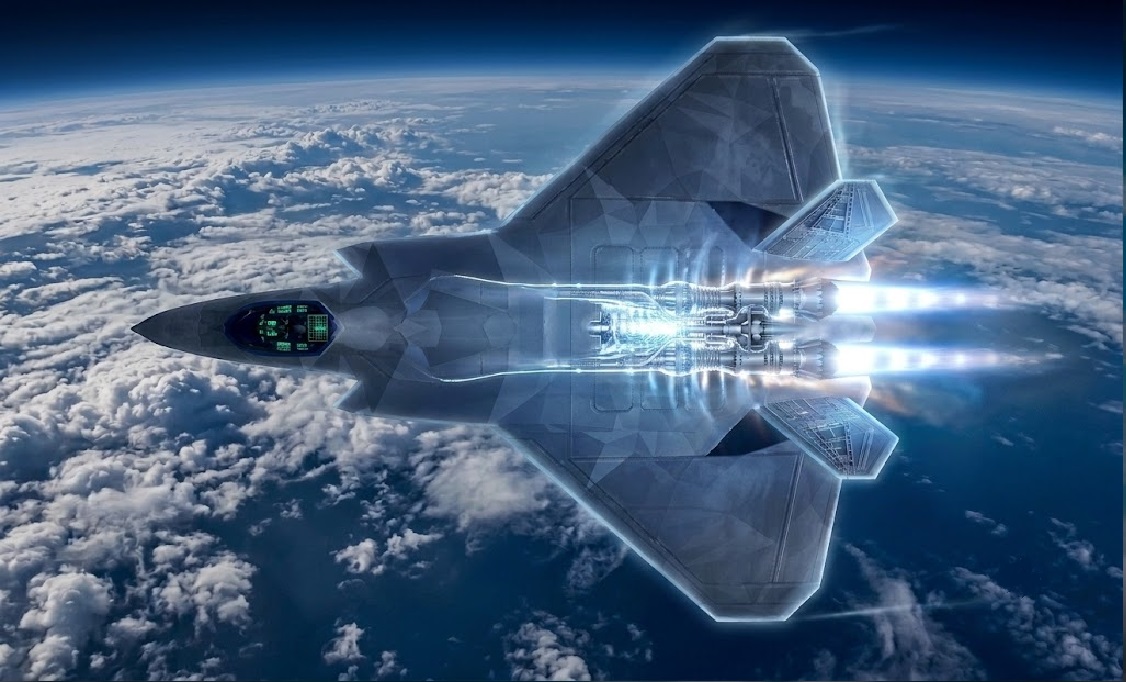
LONDON — The international consortium developing the propulsion system for the Global Combat Air Programme (GCAP) has moved closer to ground-testing its next-generation engine demonstrator after completing a series of major design reviews.
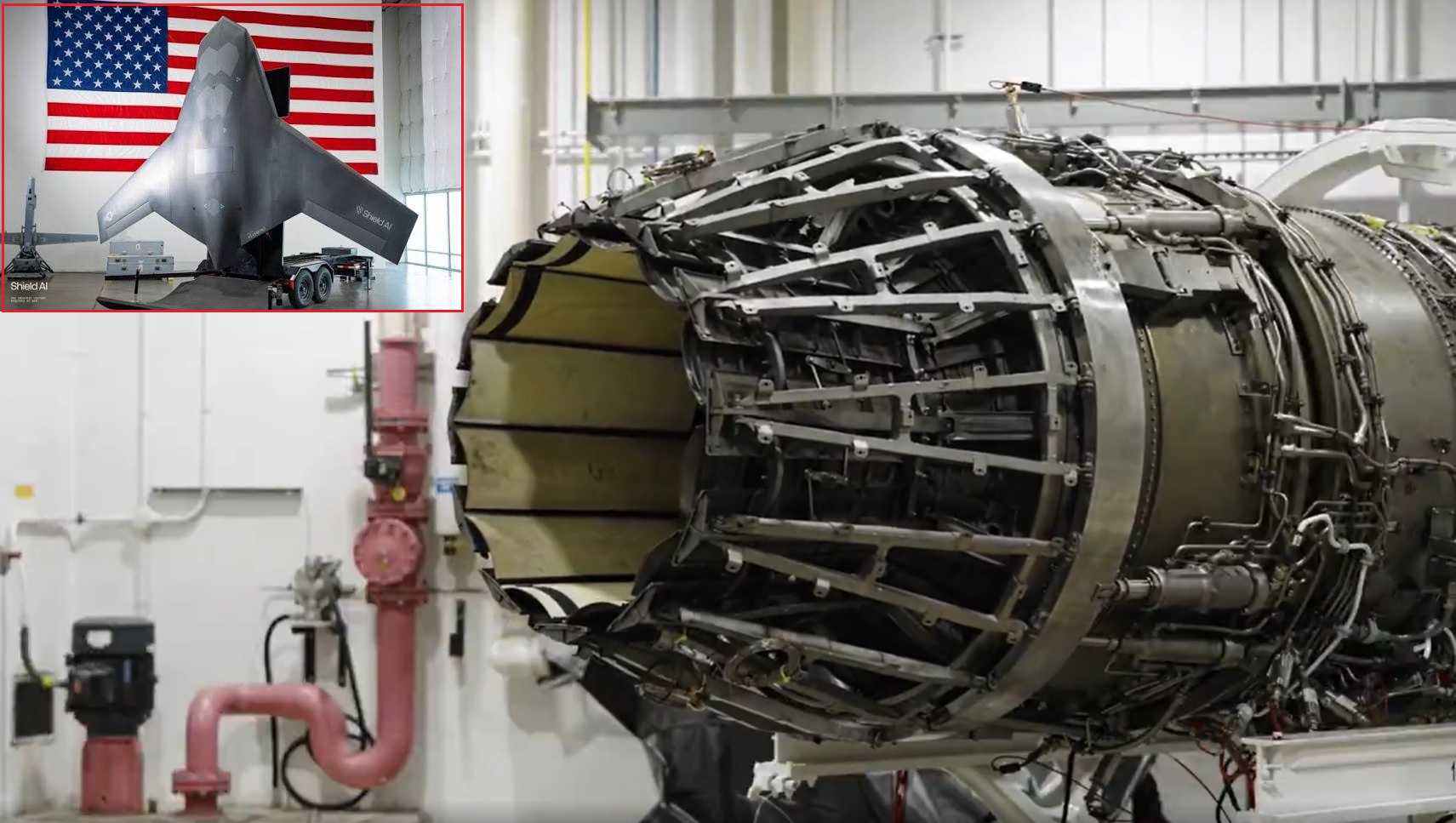
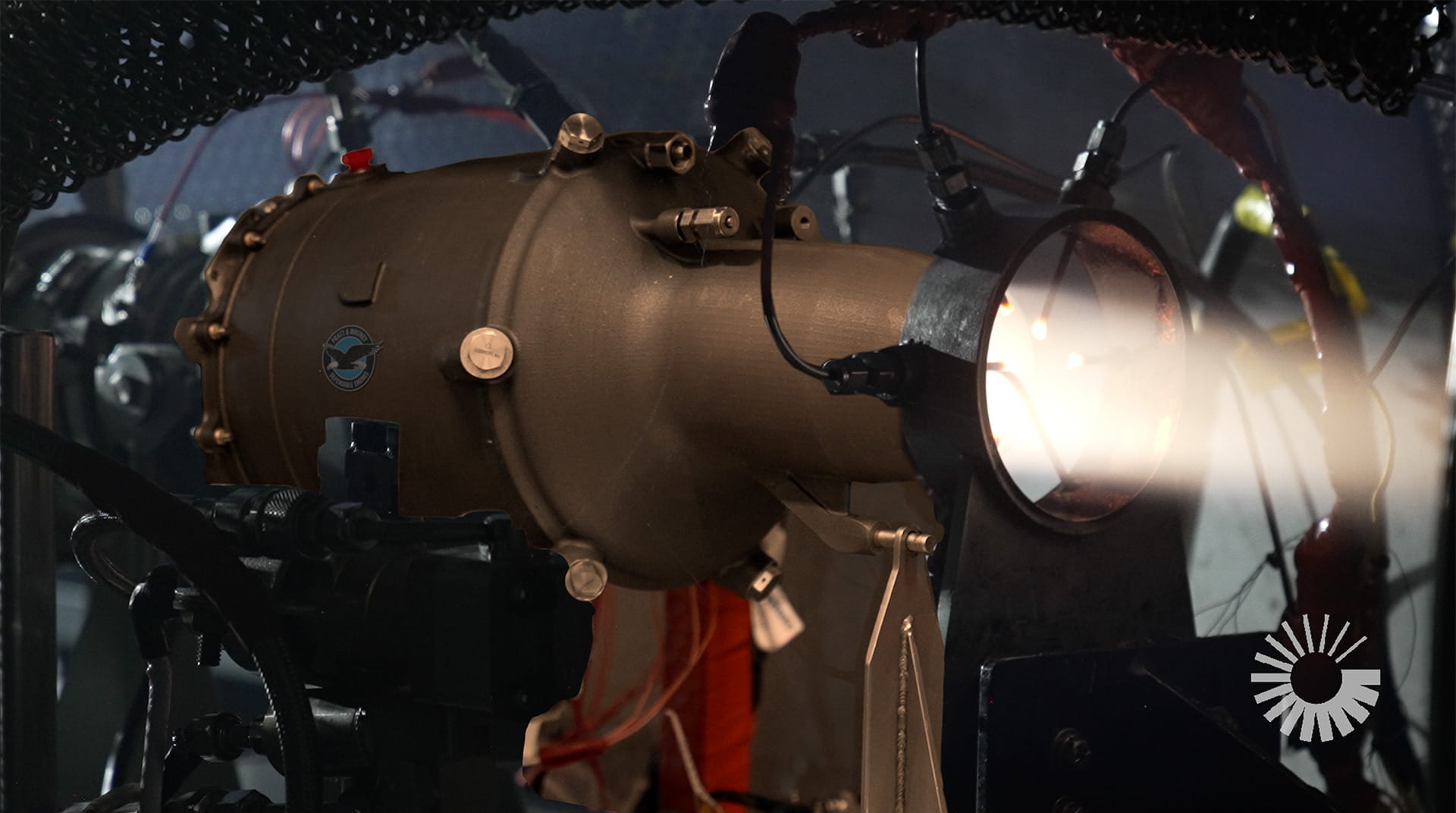
The engine development team, comprising Italy's Avio Aero, Japan's IHI Corporation, and the United Kingdom's Rolls-Royce, confirmed that the all-new centerline engine demonstrator is nearing final design approval. The demonstrator is a key step in reducing technical risks before the propulsion system enters full-scale development for the GCAP fighter aircraft.
GCAP is a joint program between the United Kingdom, Italy, and Japan to develop a next-generation stealth combat aircraft expected to enter service around 2035.
The three companies said they have completed more than 100 subscale component tests, while manufacturing of engine components is progressing across facilities in all three partner nations. The upcoming ground-testing phase will provide critical performance data needed to finalize the design of the aircraft's full power and propulsion system.
In addition to validating new technologies, the engine demonstrator will help the partners evaluate manufacturing methods, engineering tools, and development processes intended to reduce the overall program timeline.
Unlike previous-generation fighter engines, the GCAP propulsion system is being designed to deliver not only thrust but also the electrical power and thermal management required for advanced radar systems, sensors, electronic systems, and future weapons.
Phil Townley, Director of Future Programmes for Defence at Rolls-Royce, said the engine is being developed as a "flying power station" capable of handling the significant electrical and thermal demands of next-generation mission systems. He added that the trilateral partnership is enabling the companies to work as a single team despite operating across three countries.
IHI Corporation is contributing advanced Japanese engine technologies, materials, and manufacturing expertise to the program. Noriyuki Nakamura, Senior Technical Advisor at IHI, said the company is combining its latest technologies with the experience of Rolls-Royce and Avio Aero to develop the propulsion system that will serve as the "heart" of the future combat aircraft. He also highlighted the importance of building long-term cooperation and trust among the participating companies.
Edoardo Curti, General Manager of Avio Aero's Defense Business Unit, described the completion of the recent design reviews as a significant milestone. He said the achievement reflects the partners' shared commitment to developing next-generation propulsion technology while strengthening long-term industrial cooperation under the GCAP program.
To support closer coordination, the three companies recently opened a dedicated Collaboration Hub in Reading, United Kingdom. The facility allows engineers from Italy, Japan, and the UK to work together alongside representatives from the GCAP Agency and Edgewing, the industrial joint venture responsible for the aircraft's overall design and delivery.
Edgewing was established by BAE Systems, Leonardo, and Japan Aircraft Industrial Enhancement Co. Ltd. In July 2026, the GCAP Agency awarded the company a £4.6 billion (approximately $6.1 billion) contract to carry the fighter aircraft into its detailed design and testing phase. The program targets a crewed demonstrator flight by the end of 2027.
The proximity of the engine consortium to Edgewing is intended to ensure close integration between the propulsion system and the aircraft's airframe, electrical architecture, and thermal management systems throughout development.
Beyond its military objectives, the GCAP engine program also supports the aerospace industries of the three partner nations. According to the consortium, the propulsion program currently sustains more than 9,000 highly skilled aerospace jobs worldwide while contributing to the long-term development of engineering and manufacturing expertise.
With design reviews completed and component testing continuing, the consortium's immediate priority is to transition the engine demonstrator to ground testing, marking the next major stage in validating the propulsion system for the GCAP fighter aircraft.
Source : rolls-royce
——— End of Article ———