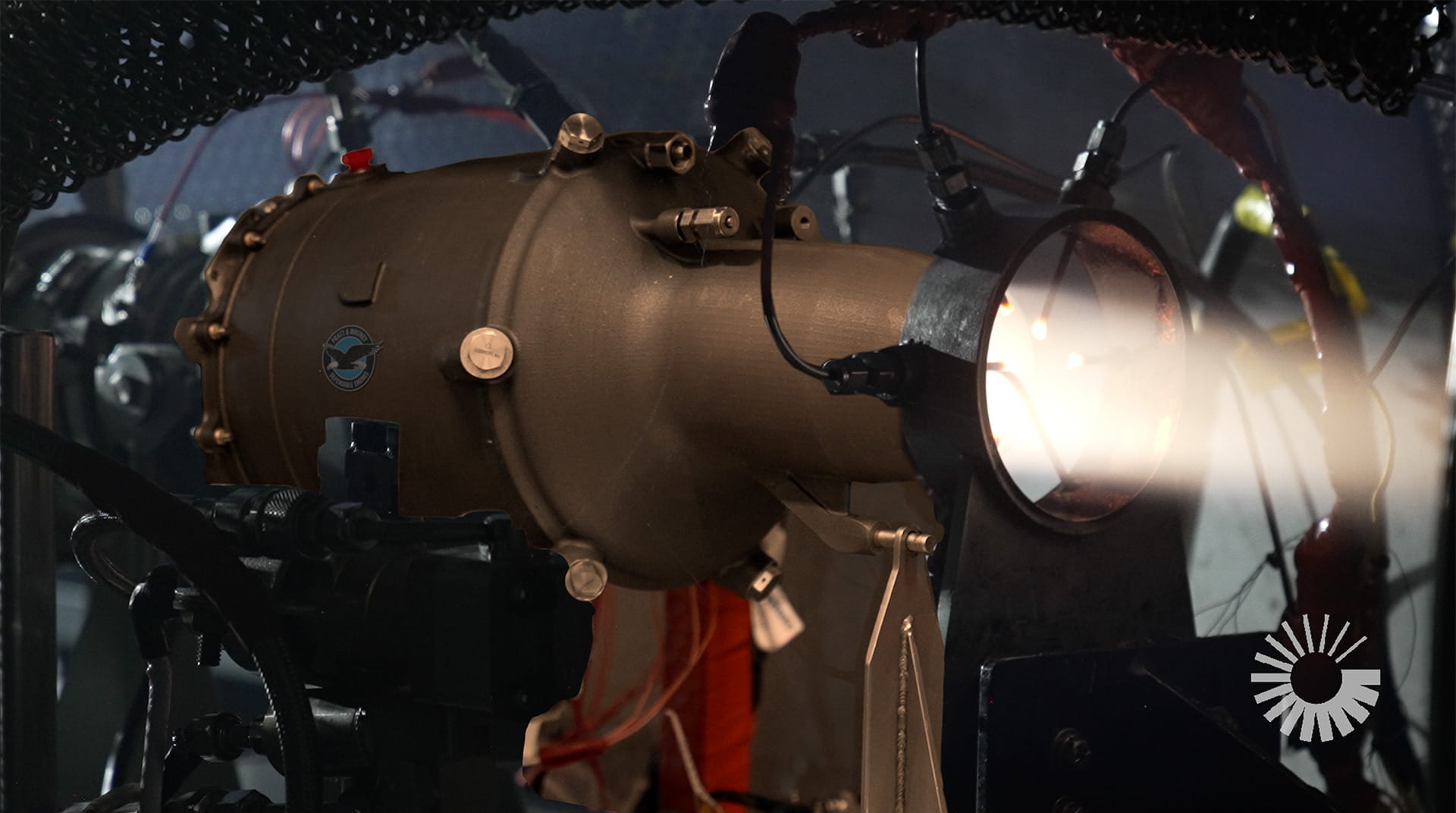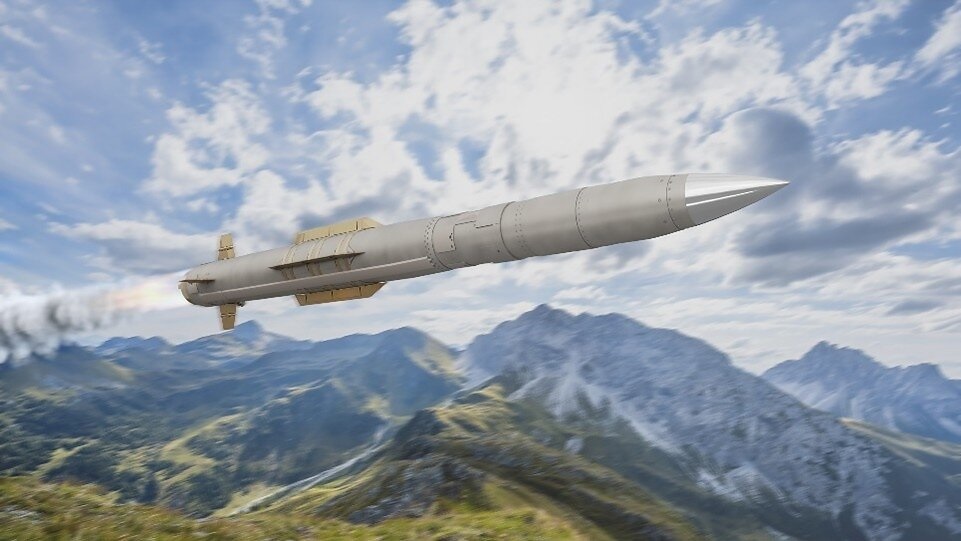
FARNBOROUGH, England — On July 20, 2026, Lockheed Martin has announced the development of the PAC-3 Adapted Capability Effector (PAC-3 ACE), a new lower-cost interceptor designed for the Patriot air and missile defense system. The announcement was made on Monday during the Farnborough International Airshow, with the company saying the new missile is intended to help the United States and allied nations strengthen their air defense capabilities while reducing interceptor costs.
According to Lockheed Martin, the PAC-3 ACE will cost less than half the price of the company's current PAC-3 Missile Segment Enhancement (MSE) interceptor. U.S. Army budget documents estimate that a single PAC-3 MSE missile costs about $4 million. The lower-cost design is intended to allow military operators to procure larger numbers of interceptors without significantly increasing defense spending.
Lockheed Martin expects the PAC-3 ACE to reach initial production within approximately 36 months, a relatively short timeline for a major missile defense program. The company said the accelerated schedule is possible because the interceptor is built using existing Patriot technologies and infrastructure rather than being developed as an entirely new system.
Designed to Increase Interceptor Availability
The new interceptor has been developed in response to lessons from recent conflicts, where military forces have faced large-scale attacks involving inexpensive drones, rockets, and missiles. Such attacks can force air defense units to use costly interceptors against relatively low-cost threats, creating a significant cost imbalance.
The PAC-3 ACE is designed to improve "magazine depth," referring to the number of interceptors that can be purchased, stockpiled, and deployed within available budgets. By lowering the cost of each interceptor, military operators can maintain larger inventories to support sustained air defense operations.
Compatible with Existing Patriot Systems
The PAC-3 ACE is designed to integrate directly with the existing Patriot weapon system and uses the current PAC-3 fire control system and software. It will also be compatible with the U.S. Army's Integrated Battle Command System (IBCS), allowing it to operate within the same digital command network already used by Patriot batteries.
Because it relies on existing command-and-control architecture, the interceptor can be introduced without requiring entirely new training programs or logistics systems. This approach is also intended to reduce research and development costs while speeding deployment.
Like the PAC-3 MSE, the PAC-3 ACE uses hit-to-kill technology, destroying incoming targets through direct impact instead of using an explosive warhead.
According to the company, the interceptor is designed to engage multiple types of aerial threats, including:
- Air-breathing aircraft
- Cruise missiles
- Close-range ballistic missiles
- Short-range ballistic missiles
Production to Include European Partners
Lockheed Martin also announced that the PAC-3 ACE will be jointly developed and produced with European industry partners rather than relying solely on U.S.-based manufacturing.
The company said this production strategy is intended to strengthen the transatlantic defense industrial base, improve interoperability among NATO allies, and enable partner nations to build interceptor stockpiles closer to home. Distributed manufacturing is also expected to help improve supply chain resilience as demand for air defense systems continues to increase.
The announcement follows a broader trend among defense companies to expand munitions production across Europe in cooperation with allied industries.
Expanding Air Defense Options
The Patriot air defense system has served as a key ground-based air and missile defense platform for the United States and numerous allied nations for decades. While the PAC-3 MSE remains the system's most advanced interceptor, its cost has increased interest in more affordable options that can complement existing capabilities during high-volume engagements.
Lockheed Martin has not disclosed the exact unit price of the PAC-3 ACE or the specific engineering changes that enable its lower cost. However, the company said the interceptor's use of proven Patriot technology and existing infrastructure is expected to reduce development costs while allowing production to begin within about three years.
The introduction of the PAC-3 ACE reflects growing international demand for cost-effective air defense solutions that can expand interceptor inventories while maintaining compatibility with existing Patriot systems.
——— End of Article ———