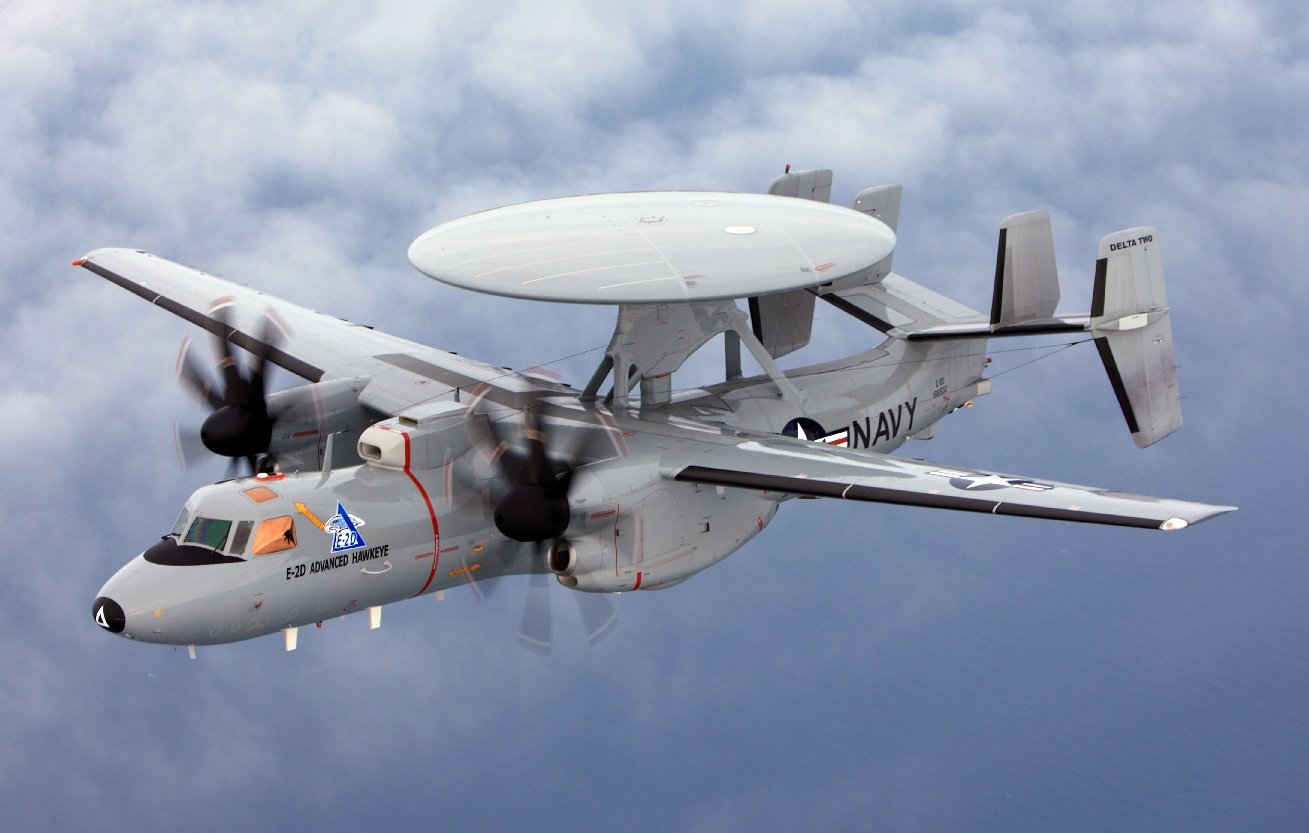
MELBOURNE, Florida — Northrop Grumman has received a contract valued at up to $1.196 billion from the U.S. Department of Defense to manufacture and deliver three additional E-2D Advanced Hawkeye airborne early warning and command aircraft for the U.S. Navy. The aircraft are scheduled for delivery by the end of December 2031.
The sole-source, undefinitized contract obligates approximately $583.4 million in fiscal year 2026 aircraft procurement funding at the time of the award. The procurement is being managed by the Naval Air Systems Command (NAVAIR), headquartered in Patuxent River, Maryland.
Aircraft to Be Built in Block II Configuration
The three aircraft will be produced in the Block II configuration. According to the contract details, this configuration includes improvements to mission systems, computing architecture, and other capabilities to keep the platform effective in modern operations.
The E-2D Advanced Hawkeye is the U.S. Navy's carrier-based airborne early warning and command aircraft. It provides 360-degree surveillance, command and control, battle management, and theater missile defense. The aircraft also supports carrier strike groups by providing long-range situational awareness and can track multiple air and surface targets while directing friendly aircraft during operations.
Production Across Multiple Facilities
Manufacturing and assembly work will be carried out at several Northrop Grumman facilities across the United States and overseas.
Approximately 30% of the work will be performed in Melbourne, Florida, followed by 18% in St. Augustine, Florida, and 14% in Liverpool, New York. Additional component manufacturing will take place at other locations in the United States, as well as in France and the United Kingdom.
Contract Supports Production Line Continuity
The latest order helps maintain continuity of the E-2D production line. Before this award, initial funding had already begun for a planned production wind-down because of a recent lack of domestic and international orders.
Northrop Grumman currently has a production backlog of approximately 28 E-2D aircraft. The new contract helps sustain production, the workforce, and the supply chain in the near term while the company continues efforts to secure additional orders.
Focus on Future Export Opportunities
Northrop Grumman is working with the U.S. federal administration to support potential E-2D sales to international customers. Defense industry discussions have identified Egypt, India, and Poland as potential export markets.
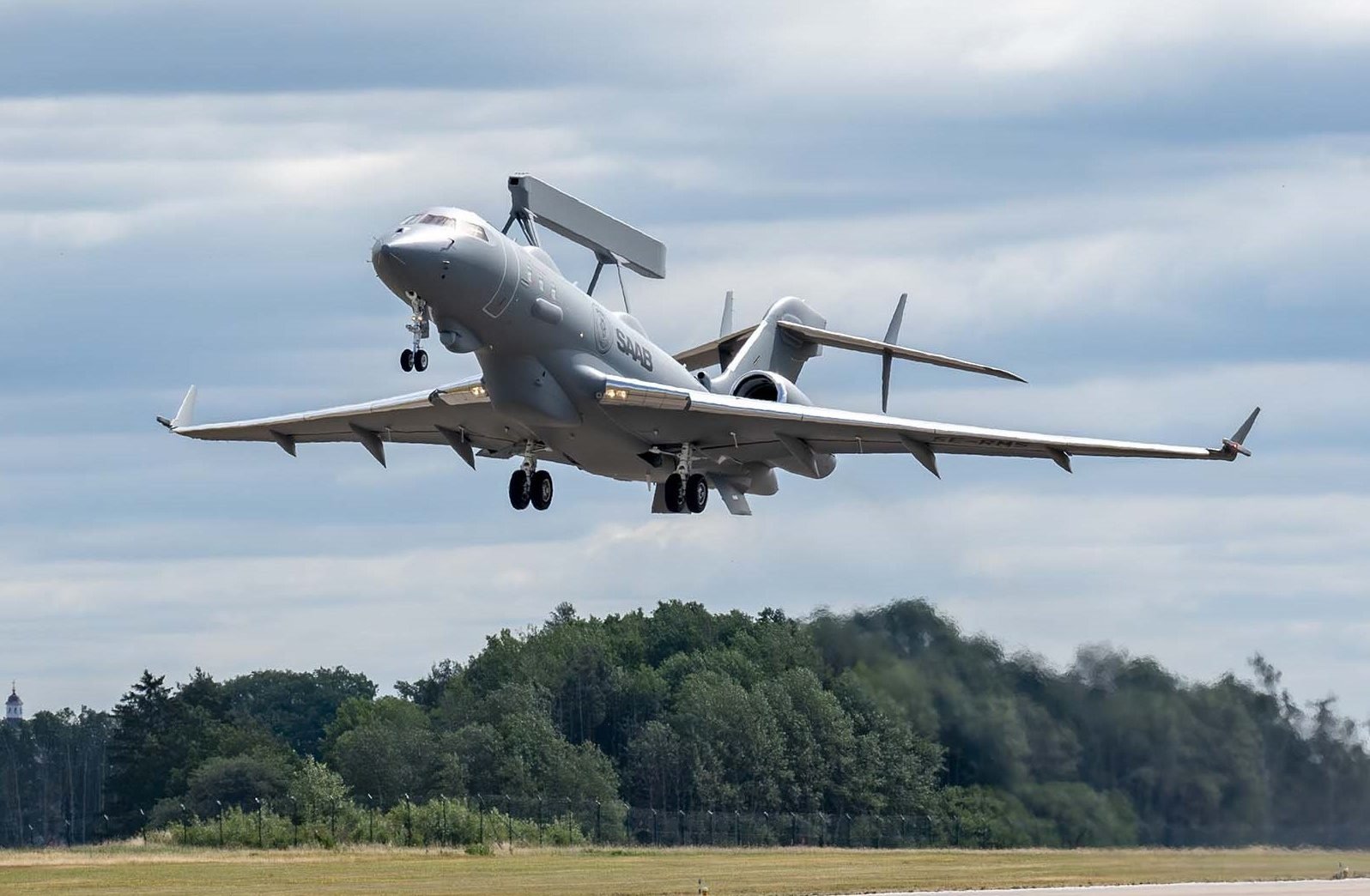
Poland is reportedly evaluating the E-2D Advanced Hawkeye as a possible replacement for its Saab 340AEW airborne early warning aircraft. Japan already operates the E-2D, and the company continues to pursue additional international opportunities.
Modernization of Existing Fleet Continues
In addition to manufacturing new aircraft, Northrop Grumman is carrying out modernization work on E-2D aircraft already in service.
The upgrades include structural and fuel system modifications to support the installation of an aerial refueling probe, extending the aircraft's operational endurance. The modernization program also includes cockpit improvements and the replacement of selected avionics components to keep the fleet updated for future operational requirements.
Program Continues Through New Order
The new contract supports continued production of the E-2D Advanced Hawkeye while helping maintain the program's manufacturing base through the end of the decade. It also supports ongoing investment in the U.S. Navy's airborne early warning and command capabilities as Northrop Grumman continues production, fleet modernization, and efforts to secure future domestic and international orders.
Source : in.investing
——— End of Article ———