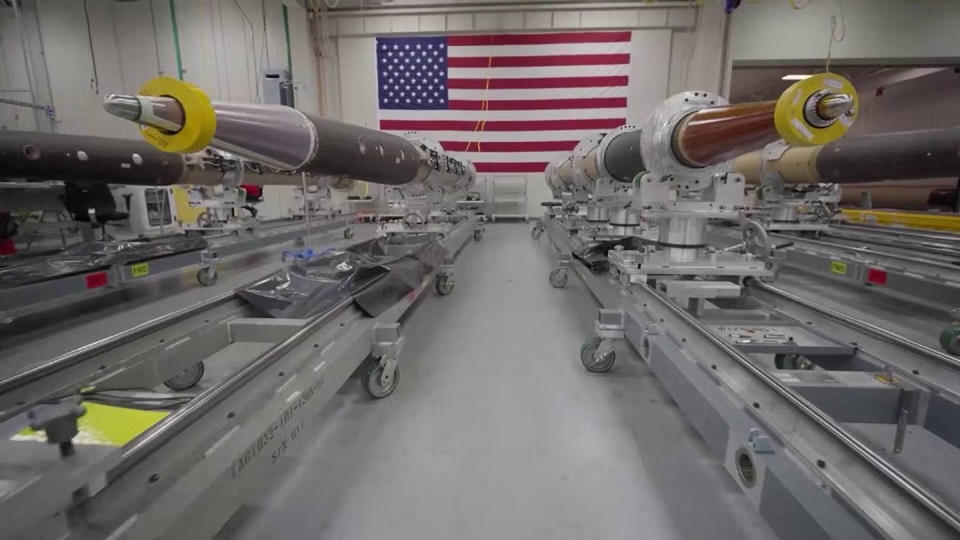
WASHINGTON — Lockheed Martin is expanding its U.S. munitions production capacity through four factory and workforce initiatives across Pennsylvania, Florida and Arkansas as part of a long-term investment strategy worth more than $9 billion.
According to the company, the investment is intended to increase manufacturing capacity, improve supply-chain resilience and meet rising demand for advanced defense systems. Lockheed Martin said the projects are already increasing production output, improving manufacturing efficiency and strengthening its defense workforce.
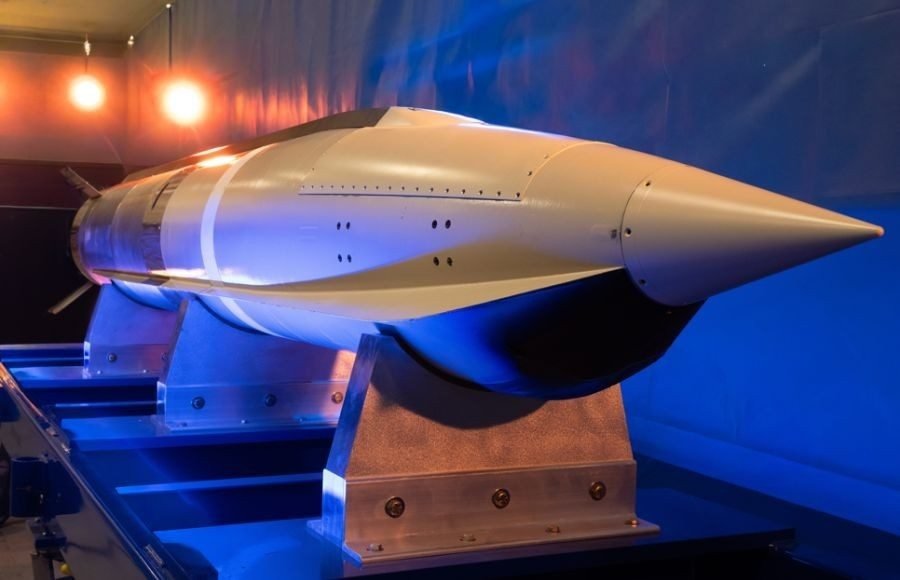
The expansion supports several key missile programs, including the Terminal High Altitude Area Defense (THAAD) system, Patriot Advanced Capability-3 (PAC-3) interceptor and Precision Strike Missile (PrSM).
Pennsylvania expansion
In Pennsylvania, Lockheed Martin plans to invest more than $60 million to expand its existing facility in Archbald. The project will double the site's physical size and create more than 700 jobs.
The company has also leased a new 150,000-square-foot facility in nearby Jessup, which will manufacture cable-and-harness systems for PrSM, THAAD, PAC-3, Apache sensors and other defense programs. Phased production at the Jessup facility is scheduled to begin in 2027.
Lockheed Martin said the additional space will accommodate more tooling, test equipment and hardware. The facility will also introduce advanced manufacturing technologies, including digital projection harness boards, a modular digital-twin production floor for rapid assembly-line reconfiguration, and advanced material-handling automation to improve manufacturing scale and speed.
Florida production improvements
In Orlando, Florida, the company has combined three older paint bays into a single high-performance paint facility that supports THAAD, PrSM and other missile systems.
According to Lockheed Martin, the new layout enables manufacturing teams to reconfigure production cells in hours instead of weeks. Improved temperature and humidity controls, together with a high-efficiency oven, have reduced cure times by 15%.
The Orlando facility also includes five recirculating paint booths, a second high-efficiency oven to reduce production bottlenecks, and sensor-based mix-room controls designed to improve paint consistency and reduce rework.
At its Ocala, Florida facility, Lockheed Martin has introduced a Progressive Work Smart Assembly Line for missile control unit and seeker subassemblies.
The company said the assembly line uses modular and flexible workstations to improve material flow and reduce waste. Early production results indicate an approximately 50% reduction in hours per unit for both missile control unit and seeker builds.
Lockheed Martin said it plans to expand the smart-line manufacturing approach to additional production sites and missile programs to accelerate delivery of systems to military forces.
Workforce expansion in Arkansas
To support increased manufacturing capacity, Lockheed Martin is also expanding its workforce in Camden, Arkansas.
The company's high school hiring initiative reached a staffing record in its fourth year, with more than 40 candidates transitioning into full-time positions this year to support higher munitions production.
The program, conducted in partnership with the U.S. Department of Labor, has now brought more than 90 apprentices into Lockheed Martin's workforce.
According to the company, the partnership helps develop a skilled workforce for national security manufacturing while providing local workers with a structured pathway into advanced manufacturing and defense-related careers.
The workforce expansion aligns with the recent groundbreaking of a new Munitions Acceleration Center in Camden, which is intended to increase production of THAAD and PAC-3 interceptors.
Lockheed Martin said the four initiatives combine factory expansion, advanced manufacturing technologies, automation and workforce development to strengthen munitions production capacity for current and future U.S. and allied defense requirements.
Source : lockheedmartin
——— End of Article ———