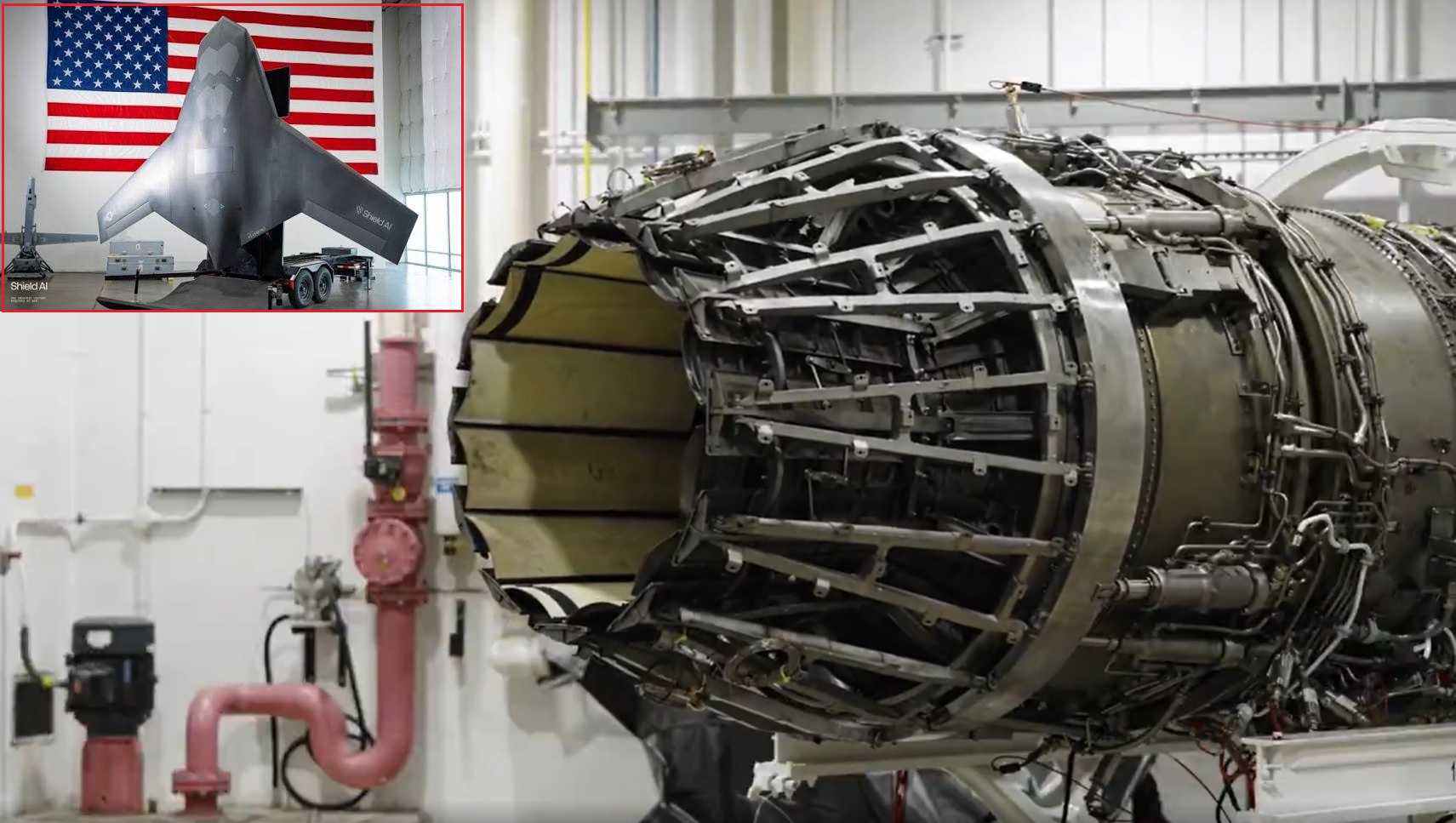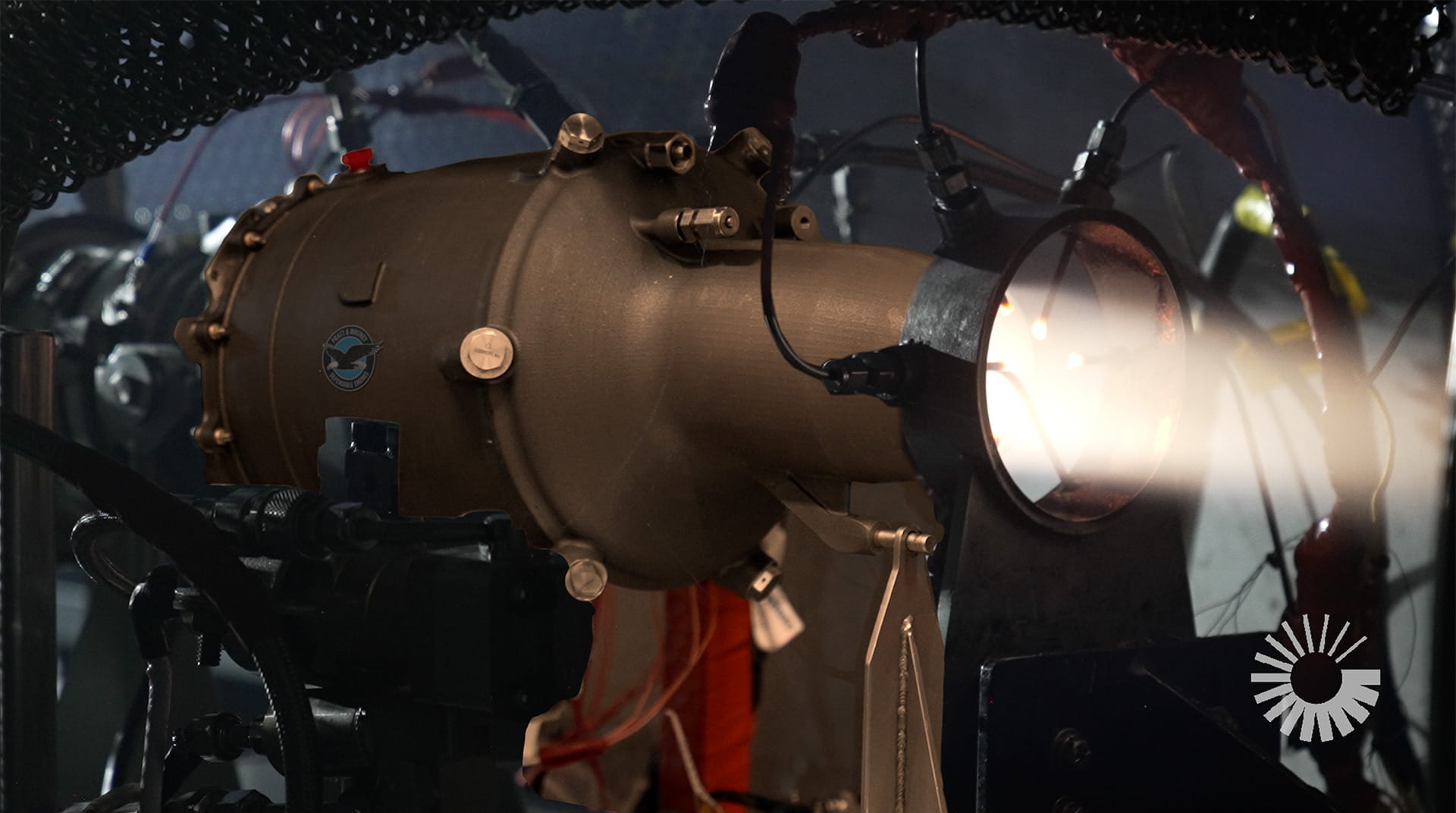
LONDON — Pratt & Whitney, an RTX business, announced at the Farnborough International Airshow that it has successfully completed demonstration testing of its additively manufactured TJ150 turbojet engine, marking an important step in the company's use of 3D printing technology for military propulsion systems.
The TJ150 is a compact turbojet engine developed for expendable applications, including certain autonomous systems and weapons. These systems are typically designed for missions lasting only minutes or hours, making simplified designs and faster production an important requirement.
According to Pratt & Whitney, nearly 60% of the TJ150 engine by volume was produced using additive manufacturing, commonly known as 3D printing. The additively manufactured sections include major static components as well as rotating hardware, demonstrating the use of the technology across critical parts of the engine.
The demonstration testing evaluated the performance of the 3D-printed materials under realistic operating conditions. The company said the tests confirmed that the engine meets the durability requirements for its intended military missions while providing valuable data on the use of additive manufacturing in propulsion systems.
As part of the TJ150 program, Pratt & Whitney invested in additive manufacturing capabilities to support future production and scalability. Engineers consolidated more than 50 individual hot-section components into a small number of additively manufactured parts, reducing assembly complexity. The company also successfully tested a 3D-printed rotating turbine wheel, one of the key components operating under high temperatures and rotational loads.
Jill Albertelli, President of Military Engines at Pratt & Whitney, said additive manufacturing allows the company to move more quickly from concept to operational capability. She added that the experience gained from the TJ150 program is already being applied to other propulsion projects, including the Pratt & Whitney Valox engine family.
The company's production strategy focuses on improving manufacturing speed and flexibility, particularly as demand increases for propulsion systems intended for short-duration missions. By reducing the number of individual components and simplifying production, additive manufacturing can help shorten manufacturing timelines while supporting higher production rates.
Additive manufacturing builds components layer by layer from digital designs instead of using conventional machining or casting methods. The process provides greater design flexibility, reduces the total number of parts required, and can lower production time and manufacturing costs compared with traditional production methods.
Pratt & Whitney said the successful TJ150 demonstration expands its experience with advanced manufacturing technologies and supports its broader efforts to modernize military engine production. As of July 20, 2026, the company is evaluating the next phase of the TJ150 program based on the results of the demonstration testing.
Source : prnewswire
——— End of Article ———