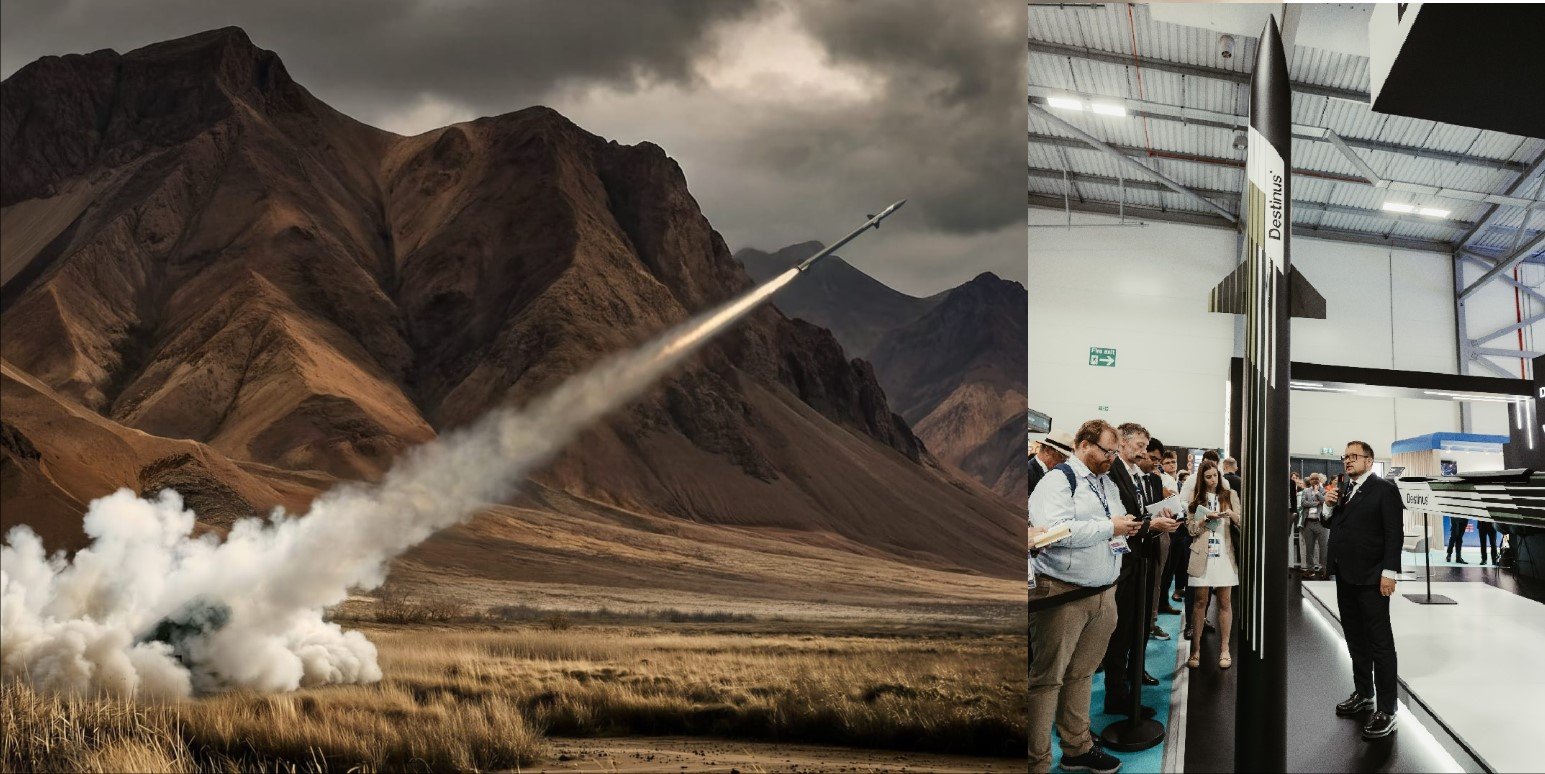
FARNBOROUGH, England — European defence company Destinus has unveiled Vorexon, a concept for a new ground-based interceptor system designed to protect high-value military and infrastructure sites from artillery rockets and certain artillery shells. The concept was presented during the Farnborough International Airshow.
Addressing the Cost of Modern Air Defence
The Vorexon concept is intended to address one of the major challenges facing modern air defence systems: the high cost of intercepting low-cost incoming threats.
In recent conflicts, including the war in Ukraine, forces have fired large numbers of artillery rounds each day. Using traditional air defence missiles against every incoming projectile can become costly over time. Rather than attempting to defend entire areas, Destinus says Vorexon is designed to protect only critical locations that are most important to military operations.
Designed for Point Defence
According to Destinus, Vorexon is intended to defend specific high-value targets such as command posts, air defence radars, ammunition depots, bridges, and logistics hubs.
The system would operate as part of a wider integrated air defence network instead of functioning independently. External radars would detect incoming artillery rockets and shells, calculate their flight paths, and determine whether they are heading toward protected sites. Only those projectiles assessed as threatening the designated locations would be selected for interception.
Destinus said every engagement would require authorisation from a human operator before an interceptor is launched.
Planned Performance
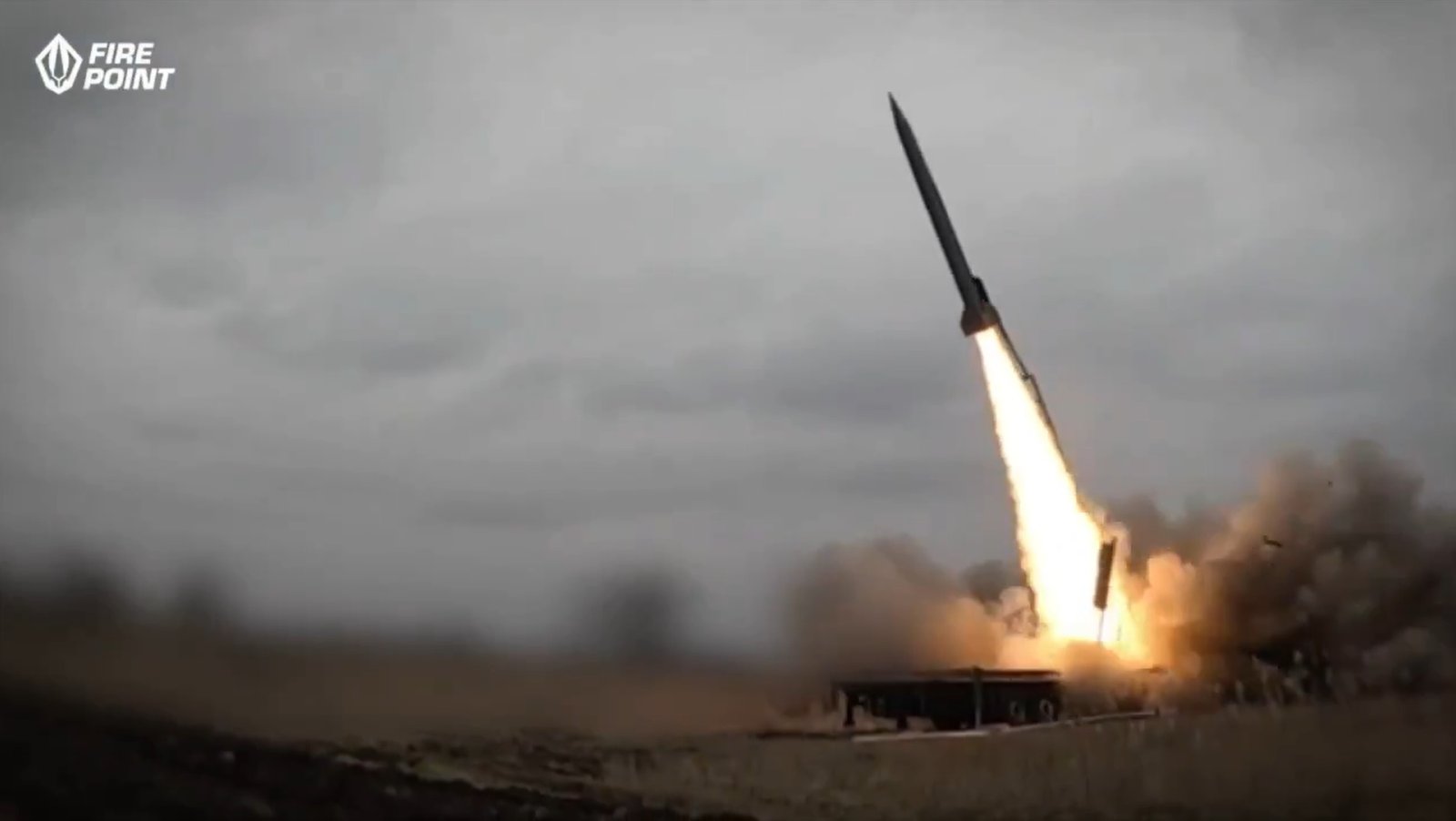
Under the current concept, the Vorexon interceptor is being designed with a planned top speed of more than Mach 2 and an engagement range of over 20 kilometres. The company noted that these are development targets and will require further testing.
The interceptor is planned to be launched from multi-round canister launchers, which could be deployed in either fixed or mobile configurations.
Focus on Critical Threats
Destinus Chief Executive Officer Mikhail Kokorich said the objective is not to intercept every incoming artillery round but to identify and defeat only those that pose a threat to critical assets.
According to the company, this approach is intended to provide effective protection while improving the cost efficiency of defending high-value sites against repeated artillery attacks.
Built on Existing Defence Experience
Founded in 2021, Destinus has grown to around 750 engineers working across facilities in the Netherlands, Germany, Spain, and Ukraine.
The company also produces the Ruta cruise missile system, which has been in use in Ukraine since 2023. Destinus said experience gained from that programme is contributing to the development of the Vorexon interceptor.
Similar Approach to Low-Cost Drone Defence
Destinus said the concept follows a similar approach to recent efforts to develop lower-cost interceptors for drone threats.
Ukraine has introduced lower-cost drone interceptors to counter inexpensive aerial threats while preserving more expensive air defence missiles for higher-priority targets. Vorexon applies a similar concept to artillery rockets and certain shells, which travel significantly faster and provide much less warning time before impact.
Development Timeline
Destinus has set a development milestone for Vorexon in 2027. The company has not announced a timeline for when the system could enter operational service.
According to Destinus, Vorexon is being developed as a European point-defence solution that could be integrated into larger air defence networks to protect critical military and infrastructure assets.
Source : destinus
——— End of Article ———