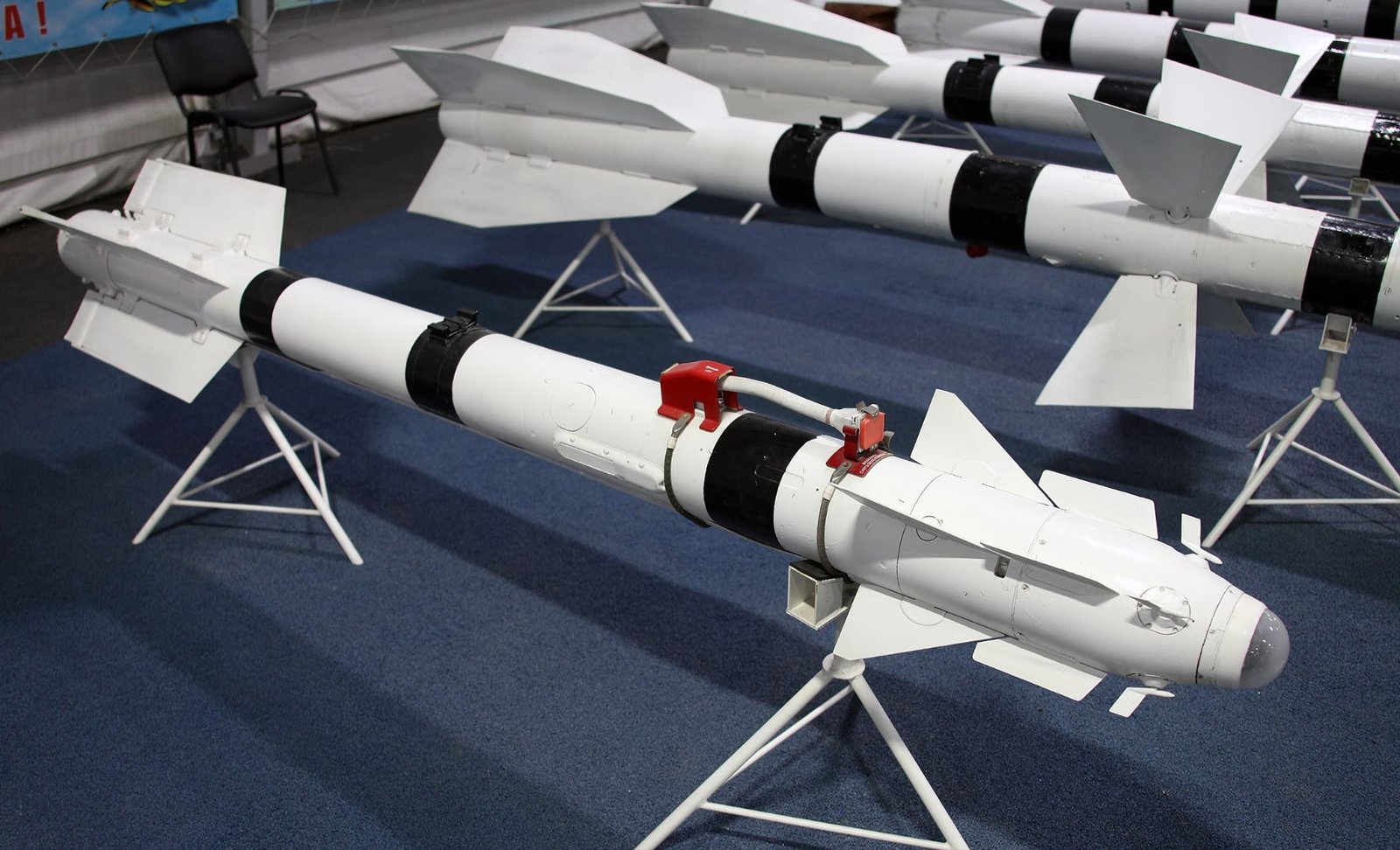
MOSCOW — Russia is reportedly considering greater use of ageing Soviet-era air-to-air missiles to intercept Ukrainian long-range one-way attack drones, as the growing scale of drone warfare increases pressure on modern air defence resources.
The approach reflects a wider challenge facing militaries around the world: how to defeat relatively inexpensive unmanned aircraft without rapidly consuming stocks of costly modern interceptor missiles.
Rising Drone Threat Creates Cost Challenge
Long-range one-way attack drones have become an increasingly important feature of the Russia-Ukraine conflict. Russia has frequently used fighter aircraft to intercept Ukrainian drones targeting strategic locations, but this has raised questions over the cost of using advanced air-to-air missiles against comparatively low-cost unmanned systems.
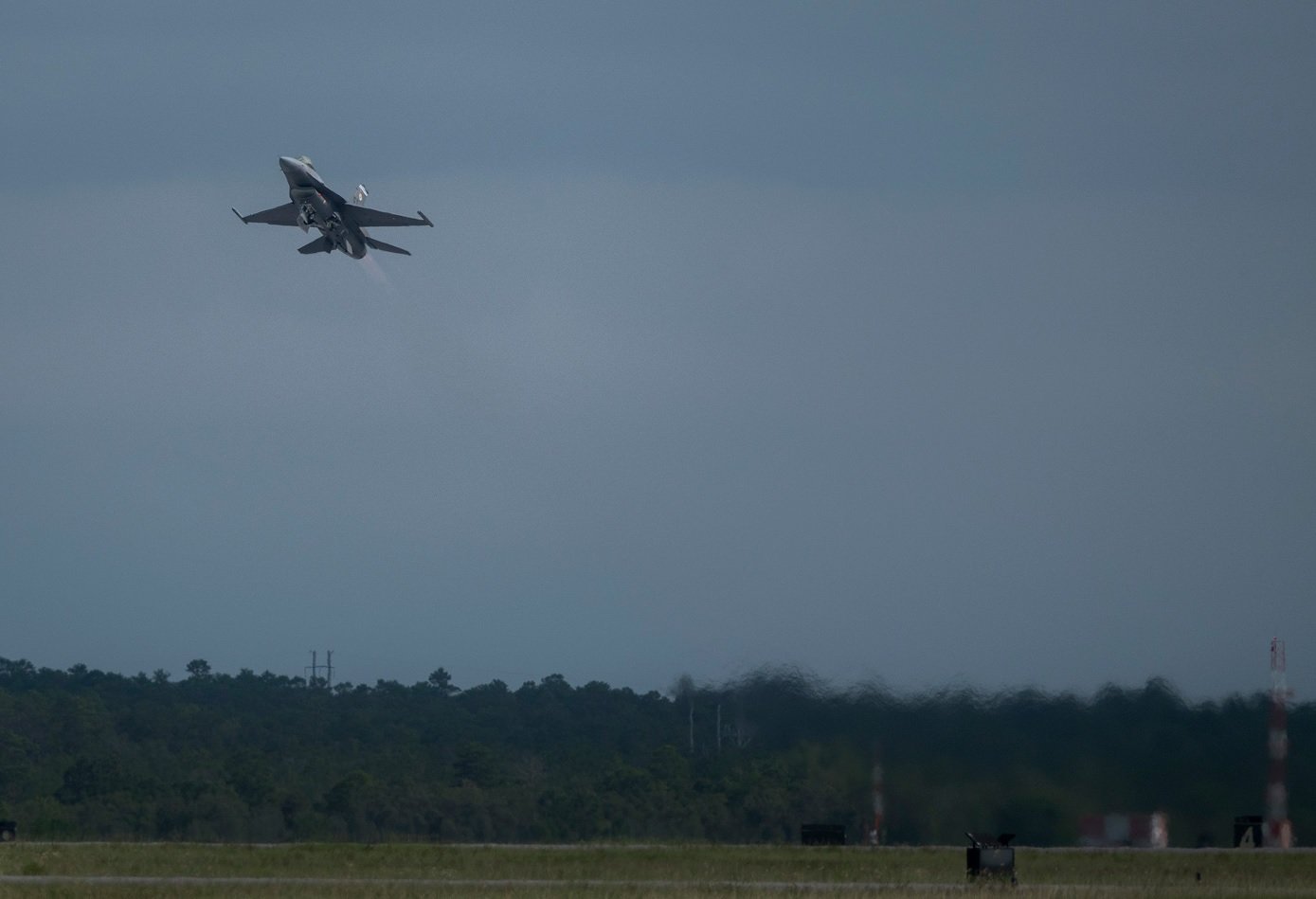
Recent footage released in late July 2026 showed a Russian Aerospace Forces Su-35 fighter making multiple attempts to intercept a Ukrainian FP-1 long-range attack drone. The video renewed attention on the economic and operational challenges of defending against large numbers of drones.
While many single-use attack drones are reported to cost less than $10,000, larger systems such as the FP-1 are estimated to cost approximately $55,000, according to open-source reports and Ukrainian media.
FP-1 Drone Production Expands
The FP-1 is a long-range one-way attack drone developed by the Ukrainian company Fire Point. According to available reports, the drone has a range of up to 1,600 kilometers and can carry a warhead weighing between 60 kilograms and 120 kilograms.
The drone uses a relatively simple airframe that includes plywood structural elements. Reporting from 2025 and 2026 indicates that production has increased significantly, with estimates ranging from dozens to around 100 drones per day. Some variants have also demonstrated longer operational ranges during specific strikes.
The increasing availability of long-range drones has added to the challenge of protecting strategic infrastructure while managing the cost of air defence operations.
Soviet-Era Missile Stockpiles Under Consideration
One option reportedly under discussion is the use of Soviet-era air-to-air missiles that remain in storage from the Cold War period.
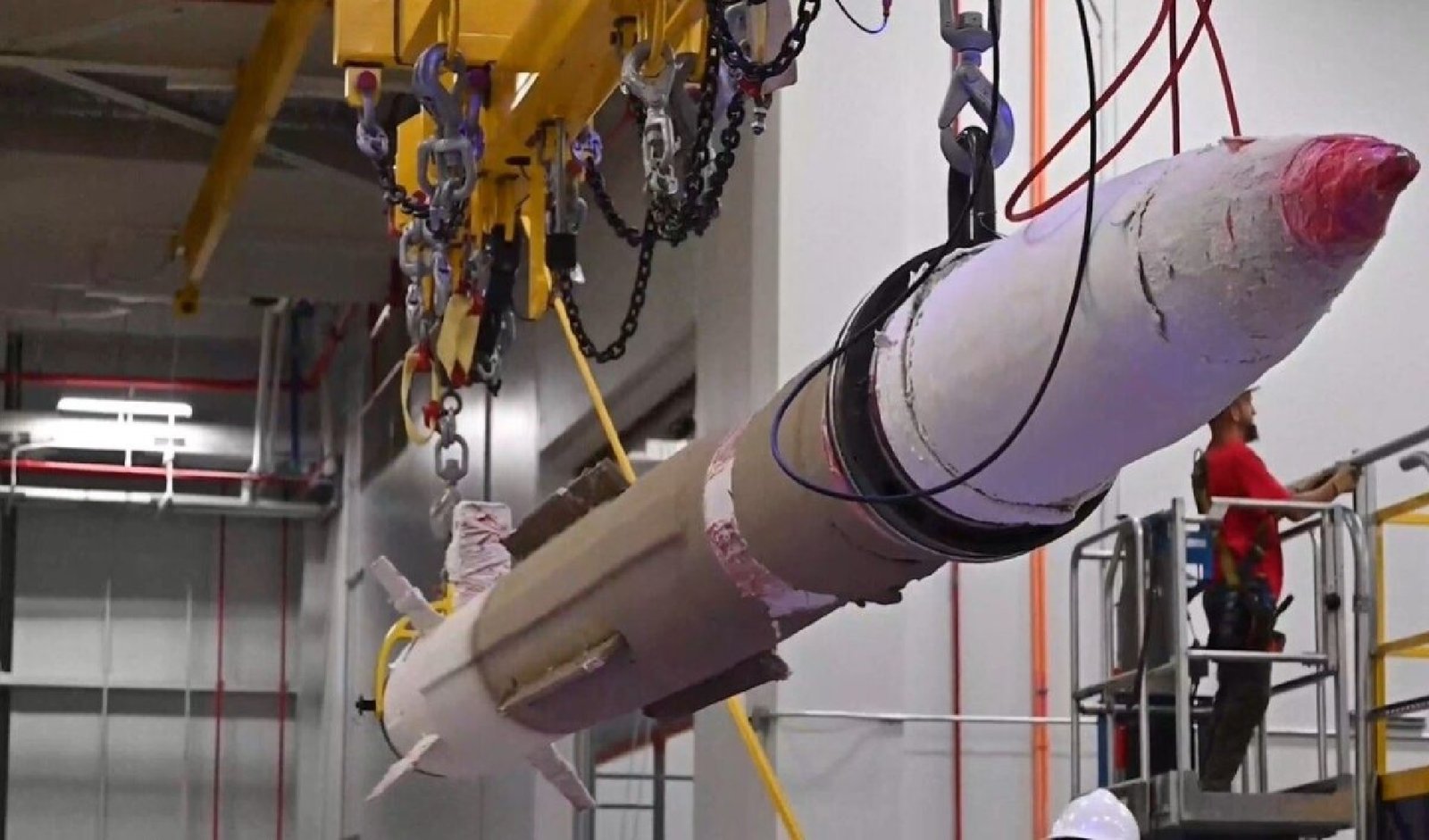
During the final decades of the Cold War, the Soviet Union produced large numbers of air-to-air missiles in preparation for a possible large-scale conflict with NATO. Although many of these weapons have been replaced by newer missile systems in frontline service, estimates suggest that more than 10,000 missiles from three major types remain in storage.
The missiles include:
- R-27 medium-range radar-guided and infrared-guided missiles
- R-73 short-range infrared-guided missiles
- R-60 short-range air-to-air missiles
Many of these ageing missiles are approaching the end of their service lives but are still considered capable of engaging slow-moving, non-manoeuvring targets such as long-range drones.
Using these missiles could reduce the need to expend newer and more expensive weapons while also lowering the long-term cost of storing and eventually disposing of ageing stockpiles.
R-27 Remains Capable Against Drone Targets
The R-27 entered service in 1982 and was developed for the MiG-29 and Su-27 fighter aircraft.
The missile is available in both radar-guided and infrared-guided versions. Until the mid-2020s, it remained one of the primary air-to-air weapons carried by Russian fighters, including the Su-30SM and Su-35.
Available assessments indicate that all variants remain suitable for engaging relatively slow and low-cost drone targets.
R-73 and R-60 Offer Additional Options
The R-73 is designed for shorter-range engagements and was regarded as one of the most capable visual-range air-to-air missiles developed during the Cold War. Equipped with a highly manoeuvrable infrared seeker, it is considered effective against drones that lack advanced countermeasures or evasive manoeuvres.
The older R-60, which preceded the R-73, has more limited range, manoeuvrability and seeker performance. It has not been carried on frontline Russian fighter aircraft for decades, making it one of the most expendable missiles available for use against relatively simple aerial targets.
Conserving Modern Missiles
Using older Soviet-era missiles against drones would allow Russia to extract additional operational value from inventories produced decades ago while preserving more advanced weapons for higher-priority threats.
Modern air-to-air missiles are generally intended to counter advanced combat aircraft, cruise missiles and long-range precision-guided weapons. Employing legacy missiles against less demanding targets could help conserve these newer systems for missions where their capabilities are most needed.
A Broader Air Defence Trend
The reported consideration of Soviet-era missiles highlights a broader trend in modern warfare. As long-range drone attacks become more frequent, militaries are increasingly seeking cost-effective ways to maintain effective air defences without exhausting stocks of advanced precision weapons.
Footage released in late July 2026 showing a Su-35 attempting to intercept a Ukrainian FP-1 drone has drawn attention to these cost and inventory considerations. However, Russian authorities have not officially confirmed whether Soviet-era air-to-air missiles are being routinely used for drone interception missions.
——— End of Article ———