MELBOURNE, Fla./WASHINGTON — L3Harris Technologies, Lockheed Martin and the U.S. Department of War (DoW) have signed a seven-year framework agreement to nearly triple production of propulsion components for the PAC-3 Missile Segment Enhancement (MSE) interceptor, supporting a broader effort to expand U.S. missile manufacturing capacity.
L3Harris said the agreement will become the company's largest PAC-3 propulsion award once the contract is formally finalized later this year.
The framework agreement uses U.S. multi-year procurement authorities under the Department of War's Acquisition Transformation Strategy. According to the department, the approach is intended to provide defense suppliers with stable, long-term demand, allowing them to expand manufacturing capacity while reducing procurement delays through closer cooperation with the defense industrial base.
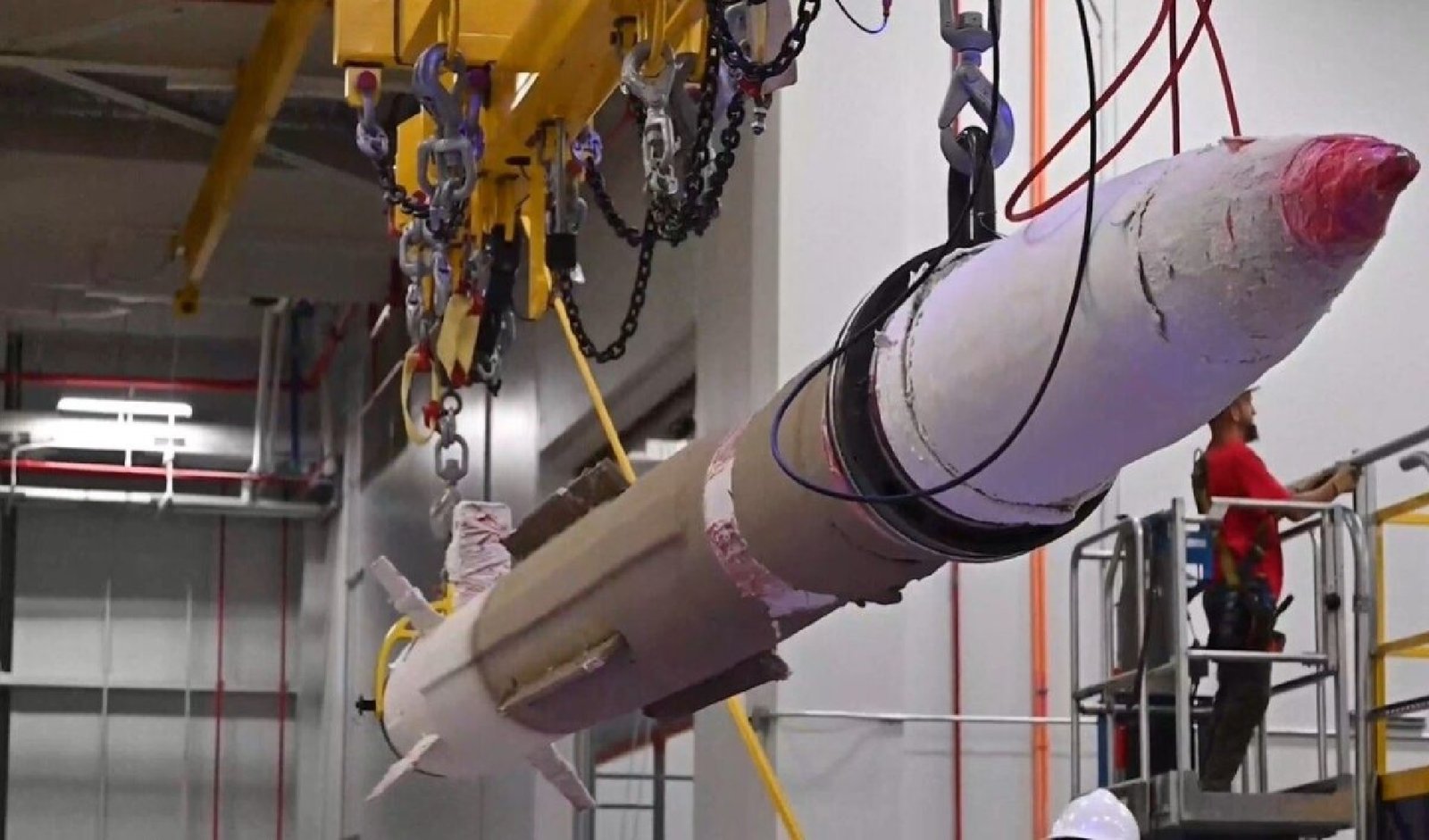
Under the agreement, L3Harris will increase production of three key propulsion-related components for the PAC-3 MSE interceptor: the advanced two-pulse solid rocket motor, Attitude Control Motors (ACMs), and the Lethality Enhancer.
The two-pulse solid rocket motor provides the interceptor with the speed and range required to engage airborne threats. The Attitude Control Motors enable precise maneuvering during flight, while the Lethality Enhancer is designed to increase the interceptor's kill radius, supporting engagements against threats including cruise missiles.
The PAC-3 MSE is a ground-based interceptor designed to counter advanced tactical ballistic missiles, cruise missiles and enemy aircraft. It is part of the Patriot air and missile defense system.
"Rebuilding the Arsenal of Freedom requires moving with speed and precision to scale the production of critical munitions," said Michael P. Duffey, Under Secretary of War for Acquisition and Sustainment.
"Today's agreements with L3Harris are a decisive win for the Warfighter, underscoring our commitment to sending clear demand signals to the entire supply chain," Duffey added.
The Department of War said the framework is part of its wider effort to place U.S. defense acquisition on a wartime footing by accelerating production of critical defense systems and strengthening the industrial base through long-term procurement planning.
Ken Bedingfield, President of Missile Solutions at L3Harris, said the long-term agreement will allow the company to significantly increase production rates.
"This critical, long-term agreement will allow us to continue to move at unprecedented speed and produce PAC-3 propulsion at rates never before seen," Bedingfield said.
"We are actively preparing our facilities and our suppliers to meet the required ramp as well as introducing additional capacity to support future needs of the DoW and our allies and strengthen the Arsenal of Freedom," he added.
L3Harris manufactures PAC-3 MSE motors at its facility in Camden, Arkansas. The company said the site includes dedicated processing bays and automated digital X-ray equipment that have reduced inspection times and shortened production cycles.
The production increase is part of a broader expansion of L3Harris' solid rocket motor business. The company said it is investing billions of dollars to expand manufacturing capacity by constructing about 60 facilities and adding or upgrading nearly one million square feet of manufacturing and office space across its production sites in Arkansas, Alabama and Virginia.
The new framework also follows similar multi-year agreements across the PAC-3 MSE industrial base involving prime contractor Lockheed Martin, seeker manufacturer Boeing and multi-component supplier Honeywell. According to the Department of War, these agreements are intended to strengthen the supply chain supporting PAC-3 MSE production.
The seven-year framework provides L3Harris and its suppliers with a longer planning horizon for production while supporting the U.S. government's broader effort to increase domestic missile manufacturing capacity through sustained, long-term procurement commitments.
——— End of Article ———