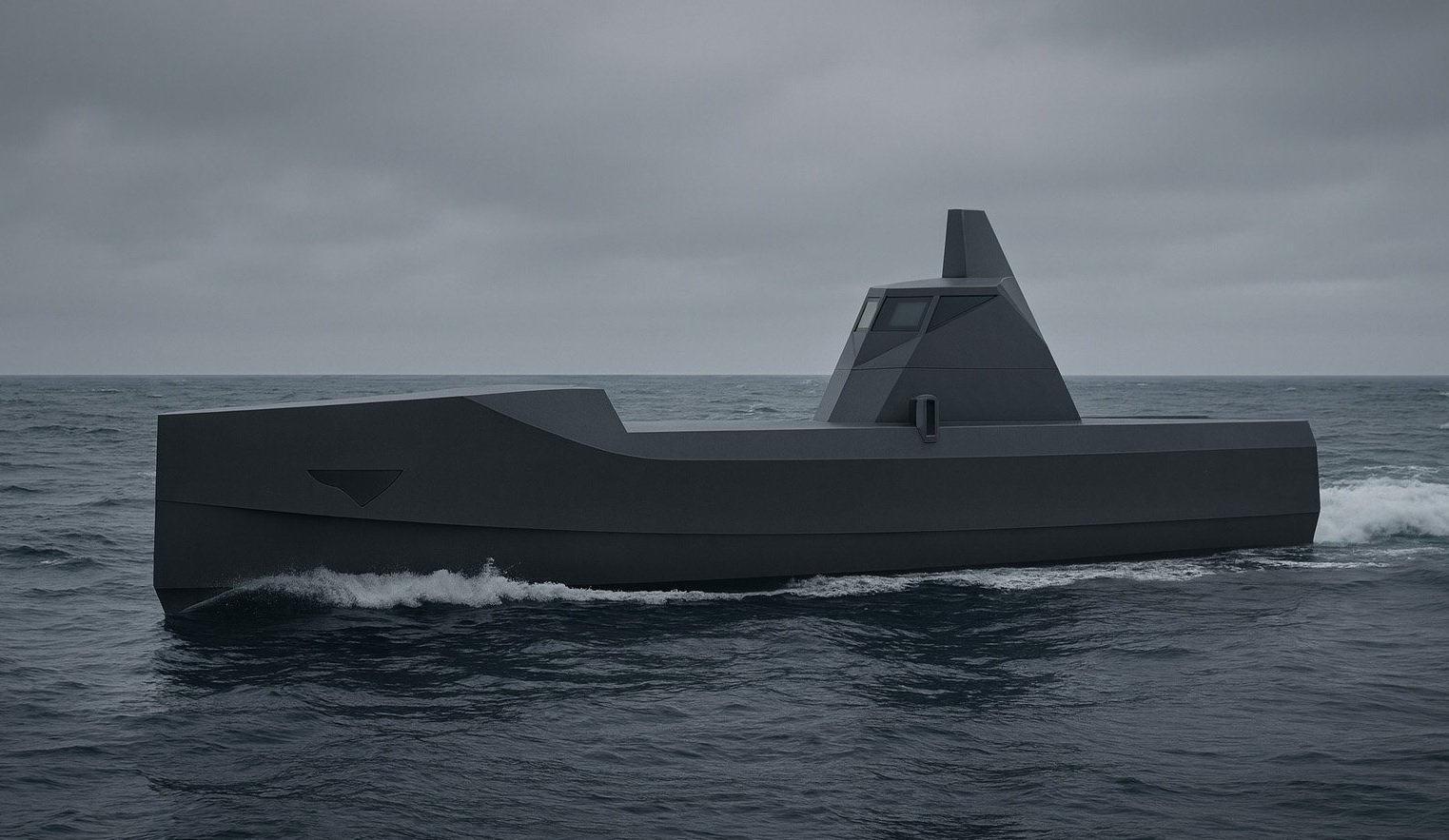
BALTIMORE — Anduril Industries is in advanced negotiations to establish a major manufacturing and testing facility for unmanned surface vessels (USVs) at Maryland's historic Sparrows Point industrial site, a move that would significantly expand the company's autonomous maritime production capacity if the agreement is finalized.
The Southern California-based defense technology company has signed a memorandum of understanding (MoU) with the operators of the 3,300-acre Tradepoint Atlantic industrial complex in Baltimore County. The site, formerly operated by Bethlehem Steel, includes a deep-water port and has a long history of steel production and shipbuilding.
The proposed investment could reach the hundreds of millions of dollars, with plans to convert part of the site into a manufacturing and testing hub for autonomous military boats. However, negotiations are still underway, no lease has been signed, and the project could still be abandoned if a final agreement is not reached.
Maryland Governor Wes Moore's office has participated in the discussions, and any completed agreement is expected to include state incentives.
Strategic Location for Naval Production
Sparrows Point offers several logistical advantages for defense manufacturing.
Located near Washington, D.C., the site is also close to the U.S. Coast Guard's largest shipyard at Curtis Bay, allowing easier testing of new vessels and smoother integration with existing military fleets. The deep-water port further supports manufacturing, sea trials, and transportation of completed vessels.
Growing Demand for Autonomous Surface Vessels
The proposed facility comes as the U.S. Department of Defense continues expanding the use of uncrewed systems across naval operations.
Recent military operations have increased demand for autonomous platforms that can perform surveillance, reconnaissance, logistics, and other missions while reducing risks to personnel. Defense planners have also emphasized deploying larger numbers of lower-cost autonomous systems as militaries increasingly face inexpensive drones that often require much more expensive interceptor missiles to defeat.
Operational Use Highlights Expanding Role
Autonomous surface vessels have already demonstrated their operational value in recent missions.
In June 2026, a 24-foot autonomous Corsair unmanned surface vessel built by Saronic Technologies successfully located and rescued two U.S. Army Apache helicopter crew members after their aircraft was shot down near the Strait of Hormuz. The mission marked a notable example of an autonomous vessel conducting a personnel recovery operation without placing additional crews at risk.
The same class of vessels was later used during operations against Iranian shipping and submarine infrastructure at Bandar Abbas Naval Base in July 2026, marking the first reported combat use of U.S. unmanned surface vessels. Although surveillance remains their primary mission, these operations demonstrated their expanding operational roles.
Anduril Expanding Manufacturing Capacity
The Sparrows Point project aligns with Anduril's broader effort to increase defense production.
The company completed a $5 billion Series H funding round in May 2026, led by Thrive Capital and Andreessen Horowitz, valuing the company at $61 billion. Following the investment, Anduril announced plans to roughly double its weapons production capacity.
The company has also expanded its autonomous maritime programs through partnerships in the United Kingdom and with South Korea's HD Hyundai Heavy Industries to develop and produce autonomous surface vessels.
In addition to surface systems, Anduril manufactures autonomous underwater vehicles, including the Dive-LD and Ghost Shark. Future U.S. production is also planned at American shipyards, including a facility at the former Foss Shipyard in Seattle, where the company has already invested.
Technology Still Faces Reliability Challenges
Despite increasing investment and growing military interest, autonomous maritime technology continues to face technical hurdles.
During testing, unmanned vessels have reportedly misidentified objects, crashed, stalled, or drifted off course. The U.S. Navy is also working to improve the reliability of autonomous piloting software for operations in unpredictable open-water environments.
In one May 2025 exercise off the California coast, more than a dozen Anduril drone boats operating with the company's Lattice software failed to complete their assigned missions and instead entered a fail-safe idle mode.
Historic Industrial Site Could Gain New Role
Sparrows Point has long been one of America's most important industrial locations.
The property was once home to one of the world's largest steel mills and an active shipyard that produced merchant vessels and warships during both World Wars under Bethlehem Steel. Today, Tradepoint Atlantic is redeveloping the site as a modern industrial and logistics center.
If the negotiations are successfully completed, the Anduril project would represent another example of the U.S. defense industry repurposing historic industrial facilities to expand domestic production of autonomous maritime systems.
——— End of Article ———