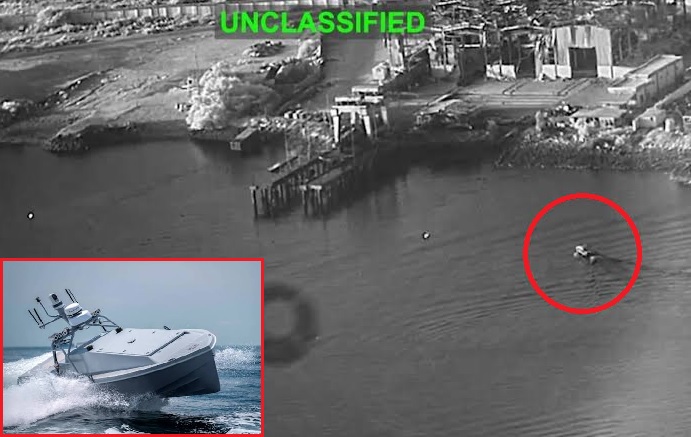
TAMPA, Fla. —The U.S. Central Command (CENTCOM) has confirmed that it used Corsair unmanned surface vessels (USVs) in combat for the first time during overnight strikes against Iranian military targets on July 12, marking the first known combat employment of the platform by U.S. forces.
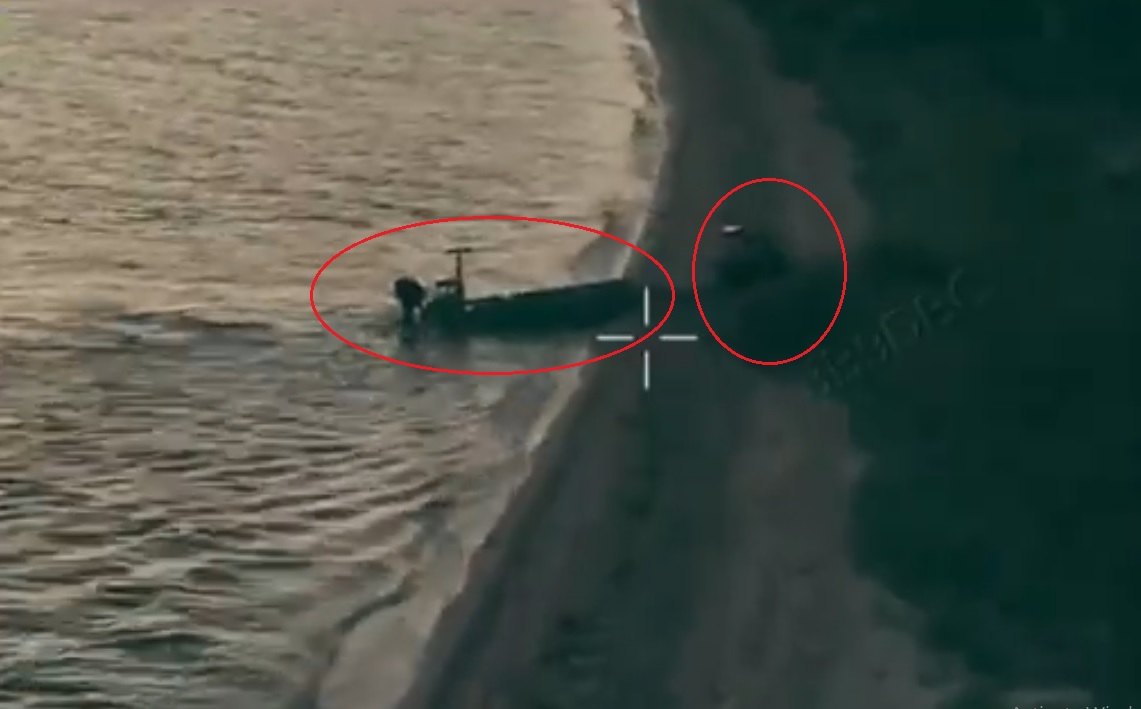
According to an official statement released by CENTCOM, U.S. forces launched multiple one-way attack surface drones against a submarine and ship maintenance facility at Bandar Abbas Naval Base on Iran's southern coast. CENTCOM also released video footage of the operation on its official X account.
Yesterday, using multiple one-way attack surface drones, CENTCOM forces successfully struck a submarine and ship maintenance facility in Iran. Three Corsair unmanned surface vessels hit the port at Bandar Abbas Naval Base, marking the first time American forces have employed sea… pic.twitter.com/bOM2kmgRxz
— U.S. Central Command (@CENTCOM) July 13, 2026
The command said three Corsair unmanned surface vessels successfully struck the naval facility, marking the first time American forces have employed sea drones in combat operations. CENTCOM stated that the strikes degraded Iran's ability to continue attacking commercial shipping.
The attack was carried out using unmanned maritime systems instead of conventional crewed naval platforms, highlighting the expanding operational role of autonomous surface vessels in modern naval warfare.
Corsair Unmanned Surface Vessel
The Corsair is an autonomous surface vessel developed by Saronic Technologies for military maritime operations. The platform was officially launched in October 2024 as the company's largest autonomous surface vessel at the time and was designed to support missions for the U.S. Navy and allied forces.
The U.S. Navy later awarded Saronic a contract worth more than $392 million to produce multiple Corsair vessels for operational use. Task Force 59, the U.S. Navy's unit responsible for integrating unmanned systems into fleet operations in the Middle East, began fielding the vessels in the region in late March 2026.
Corsair Specifications
According to Saronic, the Corsair has the following capabilities:
- Length: 24 feet (7.3 meters)
- Maximum speed: More than 35 knots
- Operational range: More than 1,000 nautical miles
- Payload capacity: More than 1,000 pounds (about 454 kilograms)
The vessel is designed for long-duration autonomous missions and can operate under full autonomous navigation or remote human supervision. It is equipped with onboard computing, satellite communications, radar, cameras, and 360-degree passive sensing systems that support day and night operations.
Previous Operational Use
Before the July 12 strike on Iran, the Corsair had already been used in an operational mission.
In June 8, 2026, a Corsair unmanned surface vessel operated by U.S. 5th Fleet Task Force 59 rescued two U.S. Army pilots after their AH-64 Apache helicopter crashed off the coast of Oman. According to CENTCOM, the autonomous vessel recovered the pilots from the water and transported them to a location where they were later hoisted aboard a rescue helicopter. The mission was described as the first publicly reported rescue of military personnel by an autonomous surface vessel.
First Combat Use
The July 12 operation represents the first confirmed combat use of the Corsair unmanned surface vessel and the first time the U.S. military has employed sea drones in a strike mission.
According to CENTCOM, three Corsair USVs struck the submarine and ship maintenance facility at Bandar Abbas Naval Base, damaging infrastructure that supports Iranian naval operations. The command stated that the operation was intended to reduce Iran's ability to conduct future attacks against commercial shipping and released video footage showing the strike.
Source : CENTCOM
——— End of Article ———