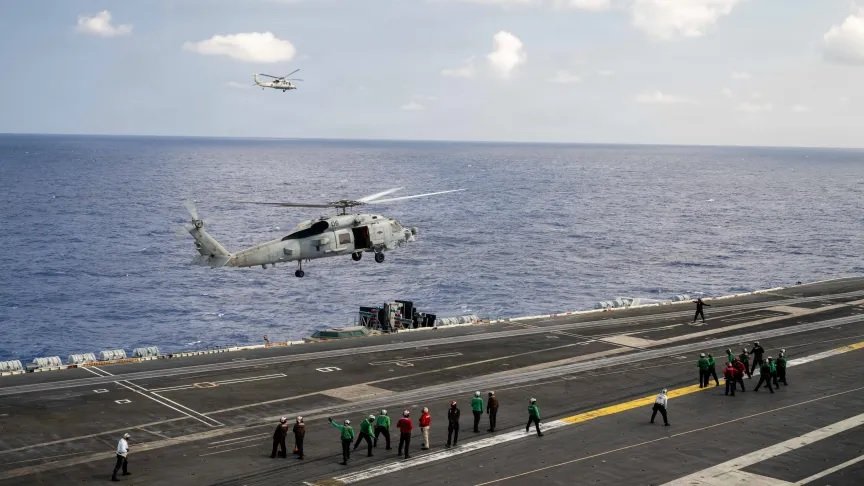
HAWAII — The U.S. Navy and forces from six partner nations conducted Pacific Dragon 2026, a multinational exercise focused on ballistic missile defense, integrated air and missile defense, and tactical data-link information sharing in waters around the Hawaiian Islands.
Hosted and executed by the U.S. 3rd Fleet, the biennial exercise was held from August 6 to August 13, 2026, according to the U.S. 3rd Fleet. The exercise involved the United States, Australia, Chile, Italy, Japan, the Republic of Korea and Spain, with the U.S. Missile Defense Agency (MDA) also participating.
Multinational Missile Defense Exercise
Pacific Dragon 2026 was designed to improve the ability of participating forces to detect, track and report air and missile defense targets while coordinating ballistic missile defense operations through shared tactical data links.
Chile and Spain took part in Pacific Dragon for the first time. The exercise included both in-port and underway phases. In-port activities included interoperability training, instruction at the Pacific Integrated Air and Missile Defense Center, and preparations for operations at sea.
The 2026 exercise also introduced a multi-mission event that combined ballistic missile defense with broader integrated air and missile defense scenarios.
Vice Adm. Marc Miguez, commander of U.S. 3rd Fleet, said the exercise strengthened interoperability, improved information sharing and refined the tactics and procedures required for allied and partner forces to operate together.
ARAV-6 Target Launch
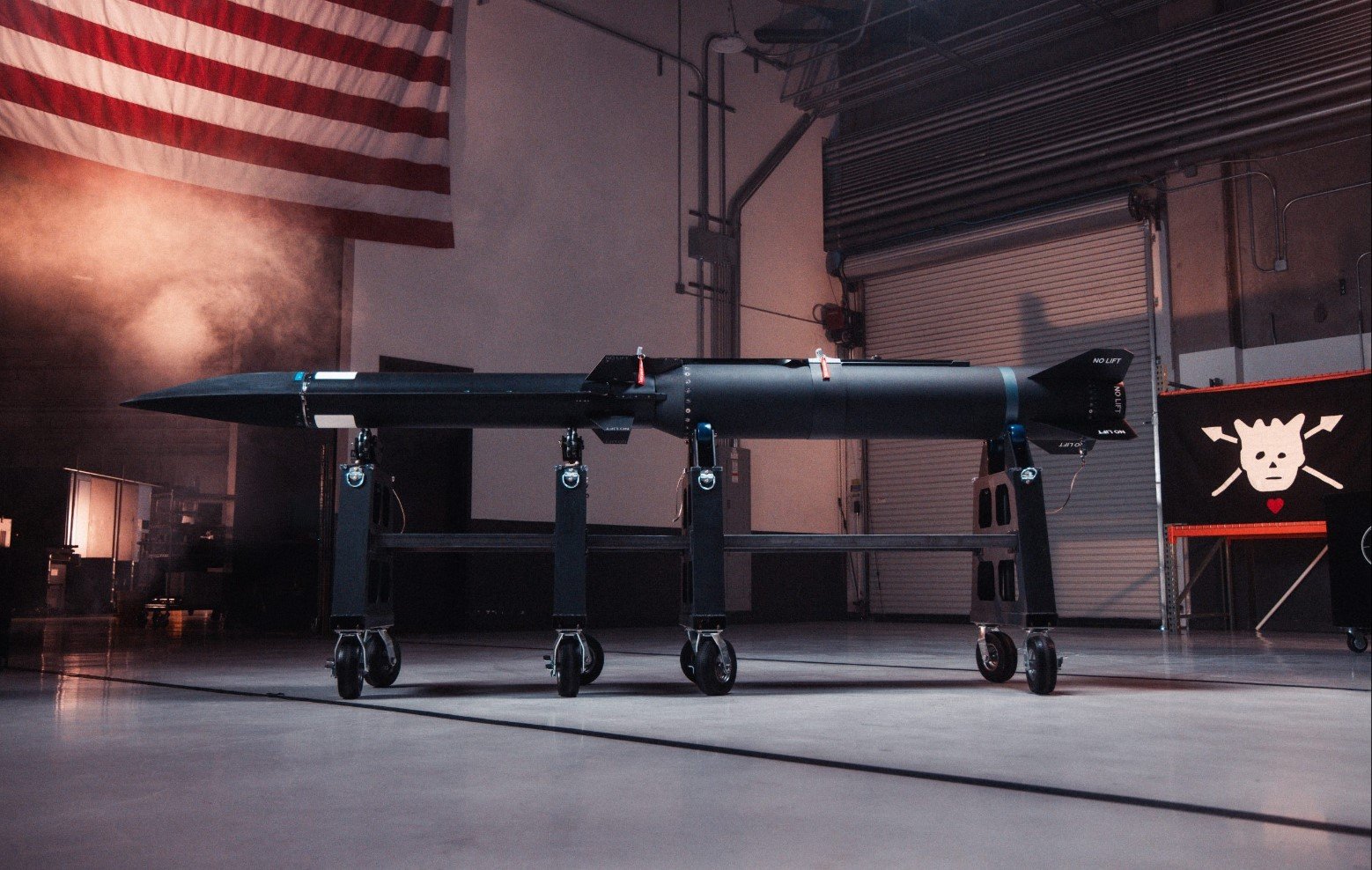
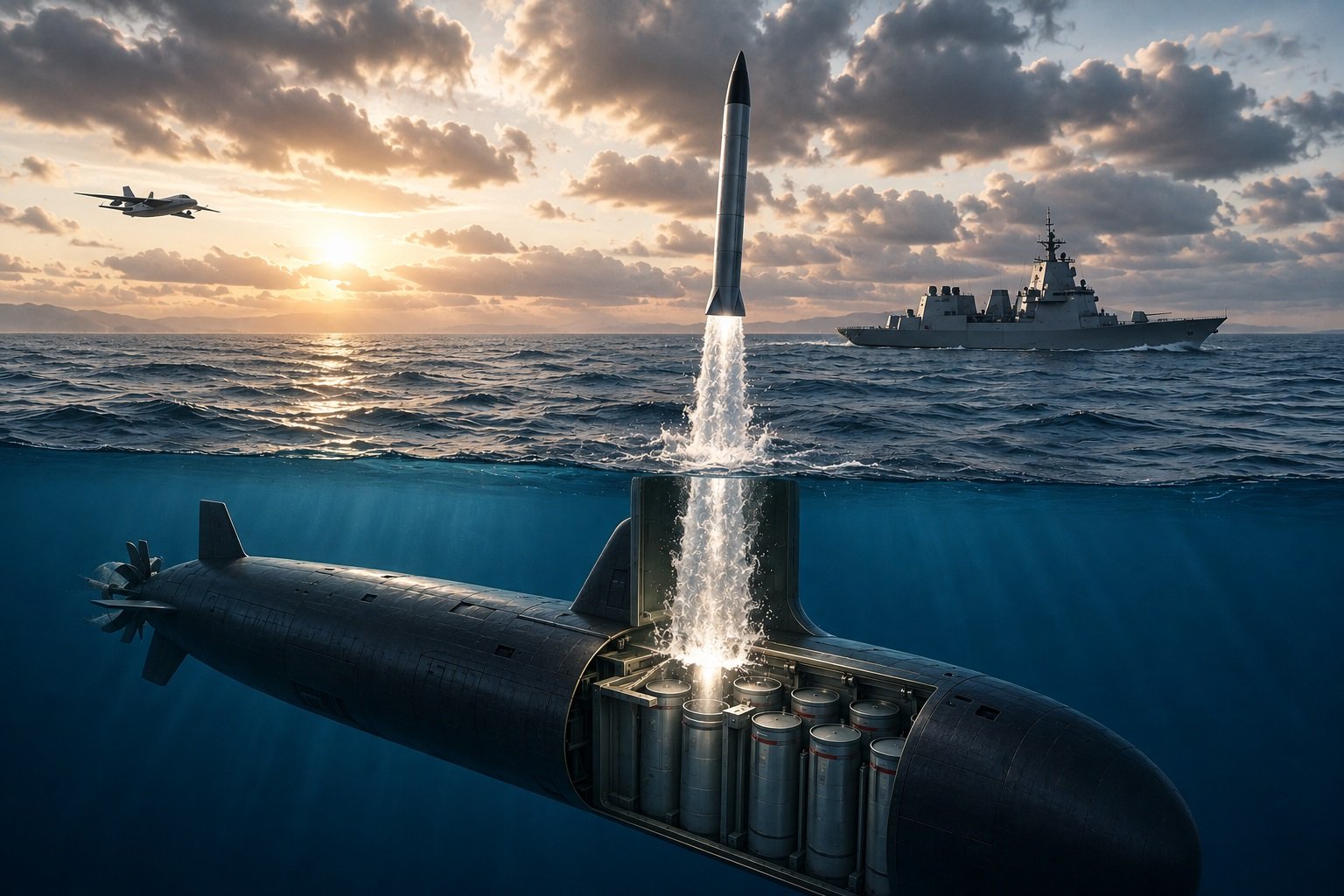
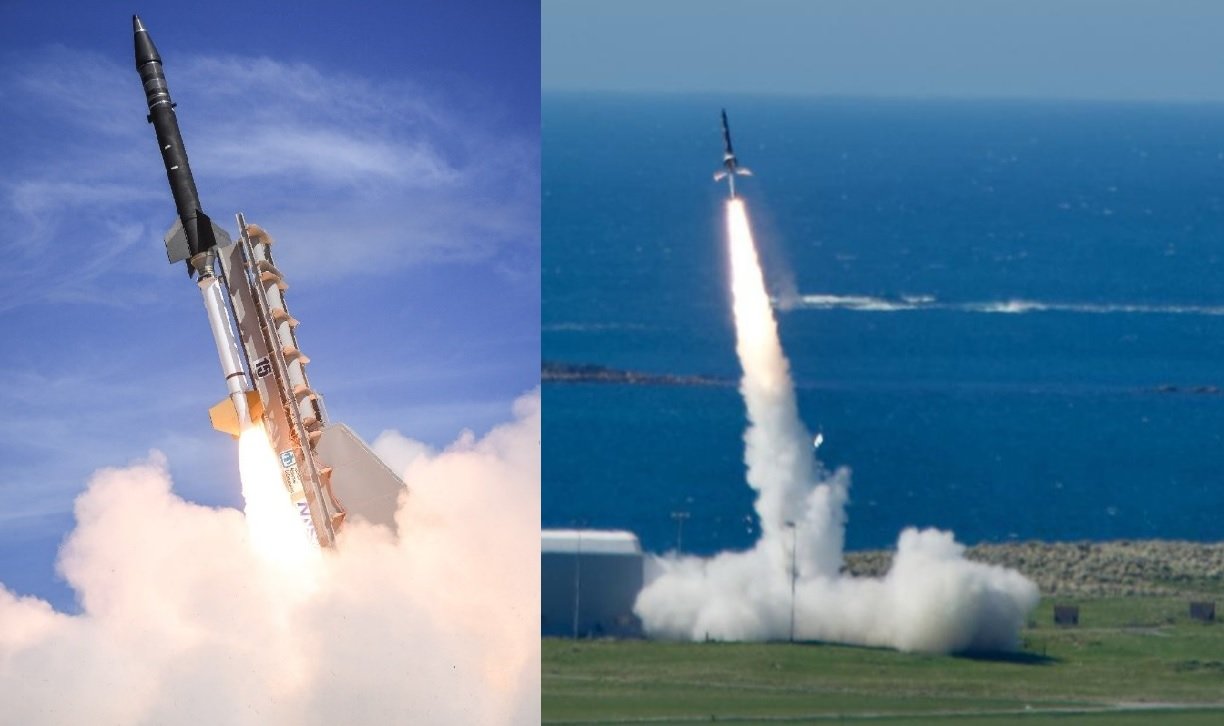
A major part of the exercise was the launch of an Aegis Readiness Assessment Vehicle Six (ARAV-6) from the Pacific Missile Range Facility on Kauai on August 6.
ARAV vehicles are ballistic missile targets used to represent threat missile trajectories during missile-defense testing and training. The ARAV family is designed to provide configurable short- and medium-range ballistic missile targets for defense testing. Kratos says the family has completed more than 50 successful defense missions.
The ARAV program has its origins in work by engineers at the Naval Surface Warfare Center's White Sands Detachment, where sounding-rocket technology was adapted for use as ballistic missile targets. Kratos Defense & Security Solutions is part of the ARAV industrial team and provides components for several configurations.
Kratos identifies three principal ARAV configurations: Type B, Type C and Type TTO. The company says the different configurations use different rocket stages and can be tailored to produce different ballistic trajectories. Kratos does not provide a separate public technical breakdown of the ARAV-6 configuration.
ARAV targets have also been used in previous missile-defense exercises. In Pacific Dragon 2022, for example, an ARAV-B target was successfully intercepted by the guided-missile destroyer USS Fitzgerald using a Standard Missile-3 Block IA.
Ships and Aircraft Participating
Pacific Dragon 2026 included naval forces from seven countries.
Participating warships were:
- USS Jack H. Lucas (DDG 125) — United States
- HMAS Sydney (DDG 42) — Australia
- Almirante Cochrane (FF-05) — Chile
- ITS Giovanni delle Bande Nere (P434) — Italy
- JS Kongo (DDG 173) — Japan
- ROKS Jeongjo the Great (DDG 995) — Republic of Korea
- SPS Álvaro de Bazán (F101) — Spain
Aircraft involved included the Royal Australian Air Force E-7A Wedgetail and U.S. aircraft such as the P-8A Poseidon, F/A-18 Hornet, MQ-9 Reaper and BQM-177A subsonic aerial target.
The exercise therefore combined naval missile-defense ships, airborne surveillance and control capabilities, maritime patrol aircraft, fighter aircraft, unmanned aircraft and aerial target systems in a common training environment.
USS Jack H. Lucas Brings Flight III Capabilities
The USS Jack H. Lucas was the U.S. Navy's representative during the exercise and is the Navy's first Flight III Arleigh Burke-class guided-missile destroyer.
The ship is equipped with the Baseline 10 combat system and AN/SPY-6 radar, which the Navy identifies as part of its continued development of integrated air and missile defense capabilities.
The participation of the Flight III destroyer provided the exercise with a ship equipped with the Navy's newer radar and combat-system configuration while multinational forces practiced sharing tactical information and coordinating missile-defense operations.
Focus on Interoperability
Pacific Dragon 2026 was not limited to a single missile-defense engagement. The exercise brought together ballistic missile defense and wider integrated air and missile defense activities, requiring participating forces to share information and coordinate operations across multiple platforms.
The U.S. 3rd Fleet said the exercise improved interoperability among allied and partner maritime forces through shared tactical data links and coordinated ballistic missile defense operations. The event also provided an opportunity to refine the procedures used for regional integrated air and missile defense.
The Missile Defense Agency's participation is part of the exercise's continuing focus on missile-defense testing and evaluation. Pacific Dragon provides a multinational environment in which participating forces can practice detecting and tracking targets, sharing tactical information and coordinating defensive operations.
Pacific Dragon 2026 was the eighth iteration of the exercise and continued the U.S. Navy's effort to develop coordinated air and missile defense capabilities with allies and partners in the Indo-Pacific.
——— End of Article ———