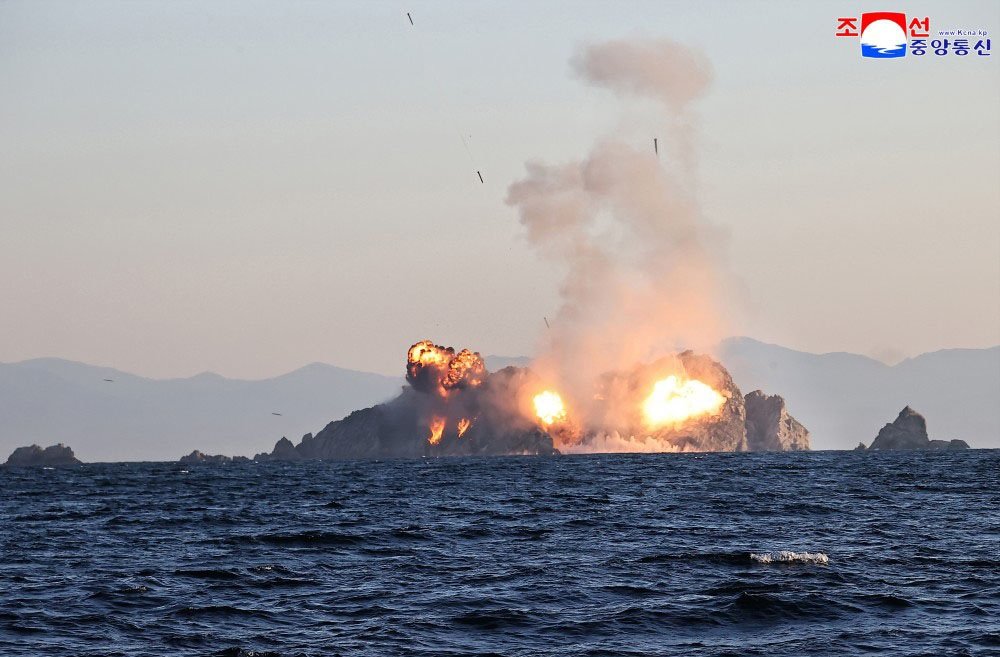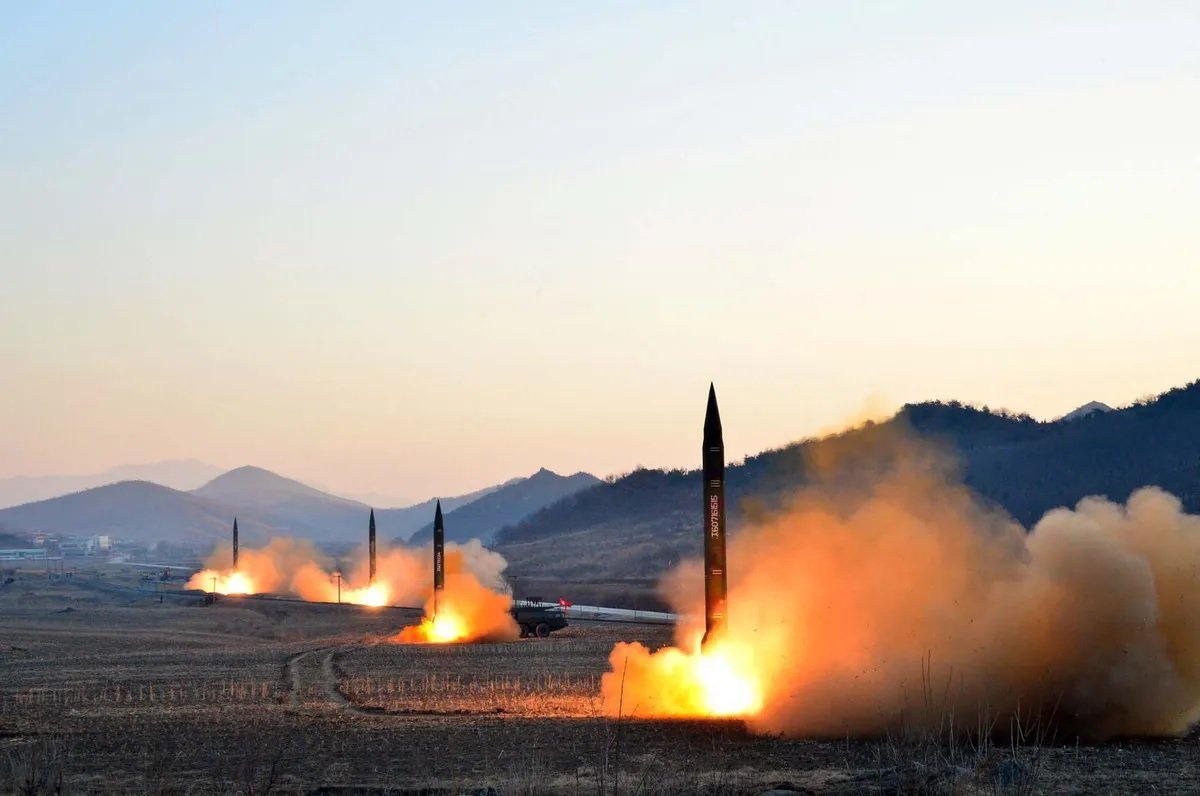
LONDON — A North Korean missile unit has started deploying to western Russia and could eventually operate with 120 ballistic missiles and six launchers in support of Russia's military campaign against Ukraine, according to Ukraine's Main Directorate of Intelligence (HUR).
The reported deployment marks a further expansion of military cooperation between Moscow and Pyongyang following the mutual defence pact signed in 2024. While Russia has previously used North Korean-made weapons during the war, Ukrainian officials say the establishment of a dedicated North Korean missile unit would also involve North Korean personnel being integrated into Russia's missile operations.
According to Andrii Cherniak, a representative of Ukraine's Main Directorate of Intelligence, Russia plans to station the unit in the Voronezh region as part of the 112th Missile Brigade. The deployment is expected to include approximately 90 North Korean personnel. Voronezh is located about 150 kilometres (95 miles) from the Ukrainian border and serves as an important logistics and staging area for Russian forces.
Cherniak said North Korea has already delivered a new batch of 40 KN-23 and KN-24 ballistic missiles together with the initial personnel. He added that the final size and structure of the deployment, including the planned force of 120 ballistic missiles and six launchers, will be decided during high-level talks between Russia and North Korea scheduled for next month.
The exact role that the North Korean personnel will perform within the Russian military remains unclear.
North Korean Missiles Used Again Against Ukraine
The reported deployment comes as Russia has resumed using North Korean ballistic missiles against Ukraine. According to Cherniak, Russia recently launched its first two North Korean ballistic missiles since August 2025, and both missiles came from the newly delivered batch of 40.
One of the strikes, carried out on July 30, hit a residential house in the village of Radushne in central Ukraine, killing at least five members of the same family. Ukrainian President Volodymyr Zelenskyy later said preliminary information indicated that the weapon used in the attack was a North Korean ballistic missile.
Ukraine has repeatedly warned that it faces a shortage of advanced air defence systems capable of intercepting ballistic missiles. Russia has increasingly relied on ballistic missiles because they are more difficult to intercept than many other types of missiles. Ukrainian officials have said that U.S.-made Patriot air defence systems remain the only systems that have consistently intercepted these ballistic threats.
Rob Lee, a senior fellow at the Foreign Policy Research Institute, said any increase in the number of ballistic missiles available to Russia would create additional challenges for Ukraine's air defences.
"Ballistic missile defence is one of Ukraine's greatest vulnerabilities, so any increase in the quantities of ballistic missiles they face will pose a greater challenge," Lee said.
He added that Ukraine's air defence capability could become an even greater concern during winter if Russia resumes large-scale attacks on the country's energy infrastructure.
KN-23 and KN-24 Missile Supplies
According to Ukrainian military sources, North Korea's KN-23 and KN-24 ballistic missiles have a longer range and larger payload than Russia's comparable Iskander missile systems, although they are considered less accurate. Ukrainian officials have linked their use to missile strikes that resulted in high civilian casualties.
Cherniak said North Korea has supplied Russia with approximately 150 ballistic missiles between late 2023 and August 2025. Russia began using KN-23 and KN-24 missiles against Ukraine during that period.
Expanding Russia-North Korea Military Cooperation
Military cooperation between Russia and North Korea has expanded significantly since Russia's full-scale invasion of Ukraine in 2022. In addition to missile supplies, North Korea has provided millions of artillery shells to Russia.
Ukraine also says North Korea has contributed military personnel. Ukrainian officials previously reported that around 14,000 North Korean troops were deployed to Russia's Kursk region to help repel a Ukrainian cross-border operation in 2024.
According to Cherniak, about 9,500 North Korean troops remain in the Kursk region, although they are not currently taking part in direct combat operations against Ukraine.
Last month, President Volodymyr Zelenskyy said Russia was preparing to receive another 30,000 North Korean troops, with preparations already underway in the Voronezh region.
Russian and North Korean Response
The Russian Defence Ministry and North Korea's mission to the United Nations in New York did not immediately respond to written requests for comment.
Cherniak said his statements were based on Ukrainian intelligence that could not be publicly disclosed. Reuters said it was unable to independently verify the intelligence claims.
——— End of Article ———