WASHINGTON — The U.S. Department of War has signed two framework agreements with Boeing and RTX to increase production of key components for the Standard Missile-3 (SM-3) Block IB and Block IIA interceptors.
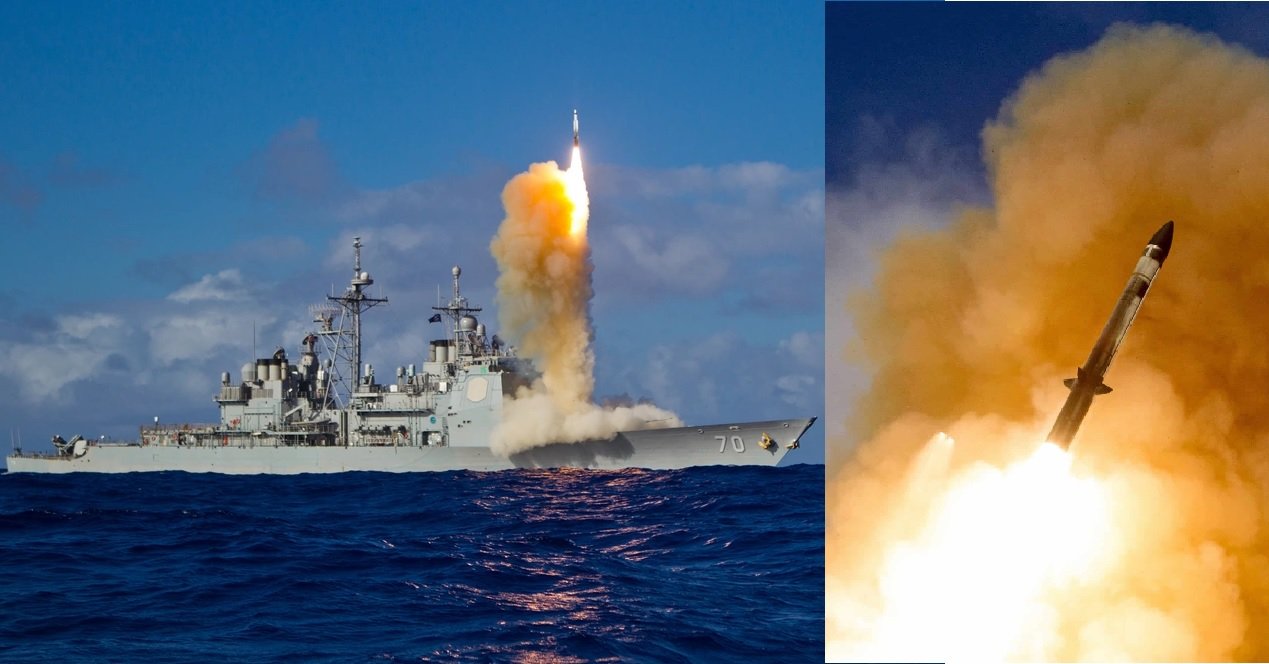
The agreements are intended to strengthen the SM-3 supply chain and accelerate the delivery of completed interceptors to U.S. Navy forces. The SM-3 is a ship-launched interceptor used as part of the Aegis Ballistic Missile Defense System for ballistic missile defense operations.
Boeing and RTX to Support Higher SM-3 Production
Under the new framework agreements, Boeing will lead manufacturing efforts for key SM-3 components. The Department of War said the move is intended to address supply-chain bottlenecks and speed the movement of munitions from production facilities to operational forces.
The agreements cover both the SM-3 Block IB and SM-3 Block IIA, two variants of the interceptor used with the Aegis missile defense system.
“These agreements ensure our Warfighters get the munitions they need to win,” said Michael P. Duffey, Under Secretary of War for Acquisition and Sustainment.
Duffey said the Department is working to stabilize supply chains, expand munitions production and strengthen the U.S. defense industrial base.
Acquisition Strategy Supports Production Expansion
The agreements were facilitated by the Department of War’s Acquisition Transformation Strategy (ATS).
The strategy is designed to reduce administrative delays and allow the government to work more directly with suppliers throughout the defense supply chain. The department said this approach is intended to help increase production and improve the movement of components and completed weapons.
The latest agreements specifically focus on the component supply chain supporting SM-3 production.
SM-3 Block IB and Block IIA
The SM-3 is a kinetic, exo-atmospheric ballistic missile interceptor. Instead of using an explosive warhead to destroy its target, the interceptor uses a kinetic warhead to destroy an incoming ballistic missile through direct impact outside the atmosphere.
The SM-3 Block IB incorporates a two-color infrared seeker and an improved steering system compared with earlier versions. These improvements provide enhanced capability against ballistic missile targets.
The SM-3 Block IIA was jointly developed by the United States and Japan. It features a larger-diameter design, larger rocket motors and an enhanced kinetic warhead compared with earlier SM-3 variants. The Block IIA is designed to provide greater engagement capability over wider areas.
RTX’s Raytheon business is the prime contractor for the SM-3 missile, with production work carried out at facilities in Tucson, Arizona, and Huntsville, Alabama. Boeing has supplied critical hardware for SM-3 variants used with the Aegis system.
Agreements Follow Earlier Production Efforts
The new agreements build on earlier U.S. efforts to increase SM-3 production.
In February 2026, Raytheon signed separate framework agreements covering the SM-3 Block IB, SM-3 Block IIA, Tomahawk, AMRAAM and SM-6. Those agreements were aimed at increasing overall production rates for the covered systems.
In early August 2026, Raytheon also received a $745 million contract from the Missile Defense Agency to manufacture and assemble SM-3 Block IIA interceptors for the United States and Japan under a Foreign Military Sales arrangement. Work under that contract is expected to continue through February 2031.
The August 14 agreements with Boeing and RTX are focused specifically on the components required for SM-3 production.
No Production Quantities or Financial Details Released
The Department of War did not disclose the financial value of the two new framework agreements or specific production quantity targets.
The department said the agreements are focused on stabilizing the supply chain, removing production bottlenecks and supporting higher SM-3 interceptor production.
The effort comes as the United States continues to strengthen its munitions production capacity and the readiness of its naval missile defense forces.
——— End of Article ———