JERUSALEM — Israel has lifted a temporary restriction that blocked additional U.S. aerial refueling aircraft from landing at Ben Gurion Airport after senior American military officials raised concerns over the decision. The issue was resolved following discussions between U.S. and Israeli officials, allowing U.S. military operations to continue while introducing measures to reduce pressure on civilian airport operations.
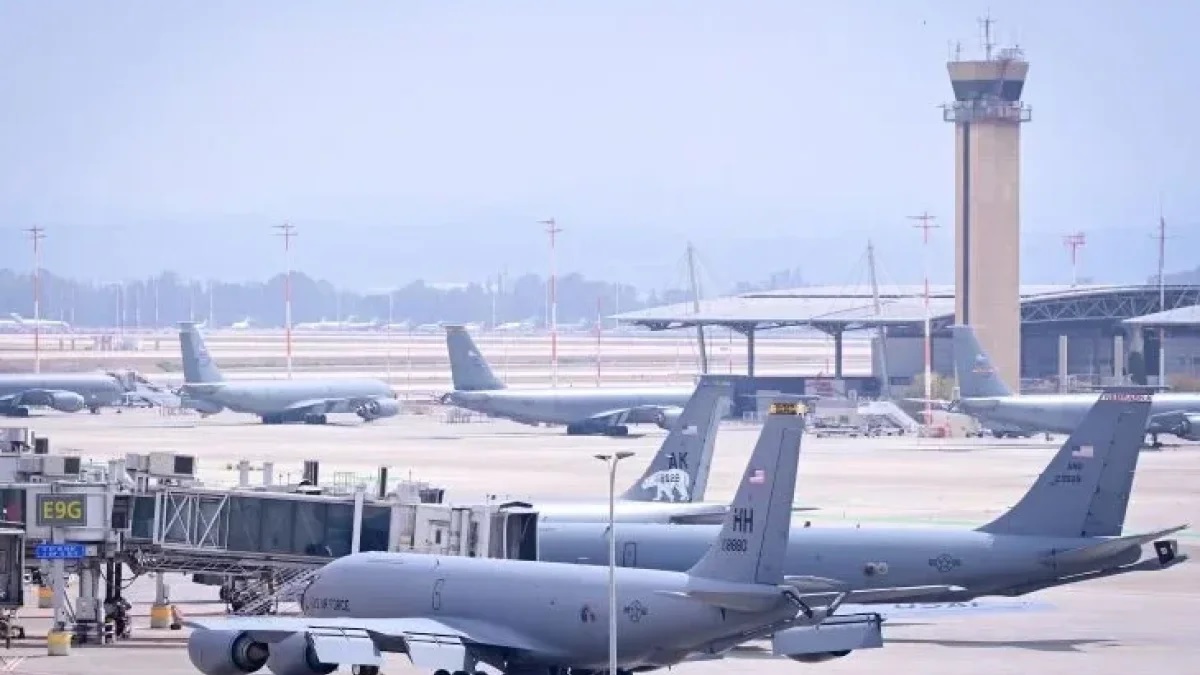
The dispute began when Israel's Transport Ministry, led by Transport Minister Miri Regev, introduced a directive limiting the number of U.S. aerial refueling aircraft parked at Ben Gurion Airport to 20. At the time, between 33 and 34 American tanker aircraft were stationed at the airport.
According to Israeli authorities, the restriction was intended to address a shortage of aircraft parking stands ahead of the peak summer travel season. The Israel Airports Authority warned that the continued presence of additional military aircraft could create significant parking constraints, potentially affecting civilian operations and placing up to 50,000 passenger flight bookings at risk of cancellation.
The proposed limit prompted an immediate response from senior officials at U.S. Central Command (CENTCOM), who asked Israel to reverse the decision. U.S. officials said the refueling aircraft remain essential for supporting ongoing regional operations and maintaining deterrence capabilities amid continued tensions involving Iran.
American officials also emphasized that Ben Gurion Airport remains the preferred operating location for these aircraft because of its advanced infrastructure, established logistics support, and proximity to hotels and other facilities required by flight crews.
The U.S. position received support from the Israel Defense Forces (IDF). A senior Israeli military official described the tanker fleet as a strategic asset that plays an important role in joint U.S.-Israel military preparations and said the aircraft should be allowed to operate according to U.S. operational requirements.
Following discussions between the two governments, Transport Minister Miri Regev cancelled the landing restriction on July 15, just one day after it was reportedly introduced. Israeli officials said the disagreement did not represent a broader dispute between the allies, and Prime Minister Benjamin Netanyahu also discussed the matter directly with U.S. representatives to ensure continued coordination.
As part of the agreed solution, U.S. refueling operations will continue without interruption. However, to reduce congestion at Ben Gurion Airport, only around 20 tanker aircraft will remain parked there. The remaining U.S. aircraft will be relocated to Israeli Air Force bases and other military facilities in coordination with Israel's Defense Ministry.
The large U.S. military presence at Ben Gurion Airport dates back to the regional military buildup that began before the conflict with Iran in February 2026. At its peak, approximately 75 U.S. refueling and cargo aircraft were stationed at the airport to support American operations and regional contingency planning.
Earlier this month, the United States began returning some of those aircraft to their home bases after diplomatic efforts temporarily reduced regional tensions. However, the Pentagon recently paused further withdrawals following renewed regional escalation, keeping the refueling fleet in Israel to maintain rapid response capability if required.
The agreement allows Israel to address growing civilian aviation demands during the busy summer travel season while ensuring that U.S. military aircraft continue to support operational requirements. The outcome also reflects the close coordination between Washington and Jerusalem in balancing civilian airport operations with ongoing defense cooperation.
Source : israelnationalnews
——— End of Article ———