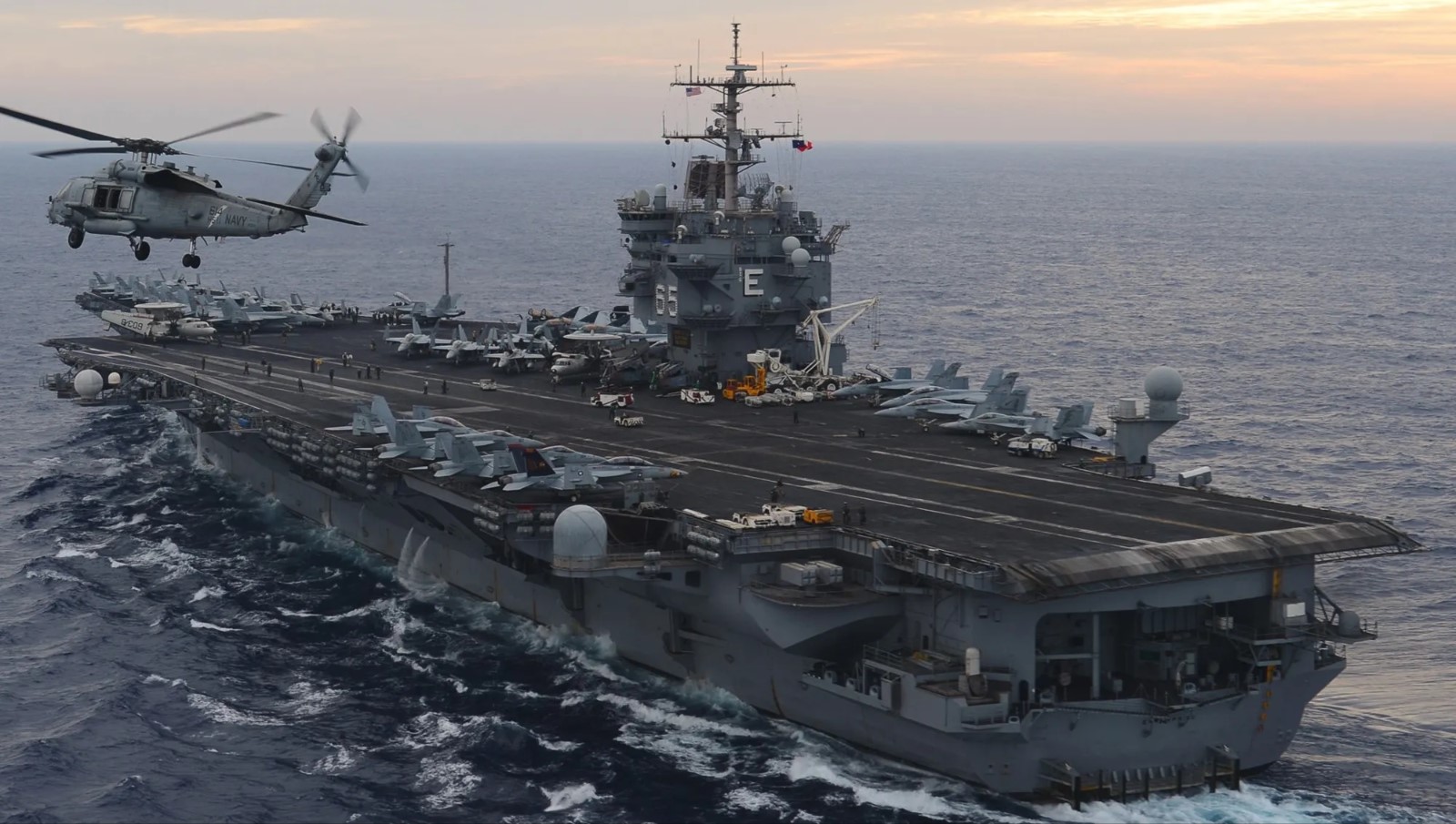
WASHINGTON — The U.S. Naval Sea Systems Command (NAVSEA) has awarded a $418.497 million firm-fixed-price contract to NorthStar Maritime Dismantlement Services to dismantle the ex-USS Enterprise (CVN-65), the world's first nuclear-powered aircraft carrier. The work will be carried out in Mobile, Alabama, with completion expected by September 2030.
The contract marks the final phase of the carrier's disposal and the first time the U.S. Navy has assigned the complete dismantling of a nuclear-powered aircraft carrier to a commercial contractor. The project is expected to provide a model for retiring the Navy's Nimitz-class aircraft carriers in the future, beginning with USS Nimitz.
NorthStar Wins Contract After Reopened Competition
NorthStar Maritime Dismantlement Services, a subsidiary of NorthStar Group Services, specializes in nuclear facility decommissioning and is partnering with Modern American Recycling and Radiological Services (MARRS) for the dismantling work.
The company was initially awarded the contract in June 2025 with a bid of $536.7 million. However, a competing bidder challenged the award, claiming technical issues with the federal Procurement Integrated Enterprise Environment (PIEE) system prevented a timely proposal submission.
In February 2026, the U.S. Court of Federal Claims ordered the Navy to reopen the competition. NorthStar won the rebid with a final price of $418,497,668, reducing the project cost by more than $118 million, or about 22 percent, compared with its original offer.
The Navy has obligated approximately $415.5 million from Fiscal Year 2025 Operations and Maintenance funds for the contract.
Commercial Dismantling Plan
The Navy selected a commercial disposal approach, known as Alternative 3, in 2023. Officials estimated the approach would save approximately $600 million and reduce the project timeline to about five years compared with completing the work at Puget Sound Naval Shipyard, where the process was expected to take around 15 years.
The dismantling project includes recycling non-hazardous steel and other reusable materials while packaging low-level radioactive waste from the propulsion system according to Nuclear Regulatory Commission (NRC) requirements for disposal at licensed facilities.
Planning estimates indicate that around 35,000 tons of recycled steel from the ship could be reused, with some material potentially supporting construction of the future USS Enterprise (CVN-80), a Gerald R. Ford-class aircraft carrier.
Before the contract was awarded, Huntington Ingalls Industries' Newport News Shipbuilding completed reactor defueling and prepared the propulsion components for disposal. The carrier's propulsion system consisted of eight Westinghouse A2W pressurized-water nuclear reactors housed in four reactor compartments.
A Historic Carrier
Commissioned in 1961, USS Enterprise became the world's first nuclear-powered aircraft carrier and served the U.S. Navy for more than 50 years.
The carrier took part in the Cuban Missile Crisis, the Vietnam War, and later operations in the Middle East. In 1964, it participated in Operation Sea Orbit, becoming part of the first all-nuclear naval task force to complete a global voyage without refueling.
The ship was decommissioned in 2012, and reactor defueling was completed in 2017. It has remained at Newport News Shipbuilding while the Navy finalized its disposal plans.
In 2021, the American Nuclear Society designated USS Enterprise a Nuclear Historic Landmark. Although proposals were made to preserve the carrier as a museum, the Navy determined that its unique reactor configuration made preservation impractical.
Preparing for Future Carrier Retirements
The Enterprise project will provide the Navy with practical experience for dismantling future nuclear-powered aircraft carriers. Lessons from the project are expected to support the retirement of the Navy's Nimitz-class fleet while allowing public naval shipyards to focus on maintaining and modernizing active warships.
Work will begin after the transfer of custody and completion of the required regulatory approvals.
——— End of Article ———