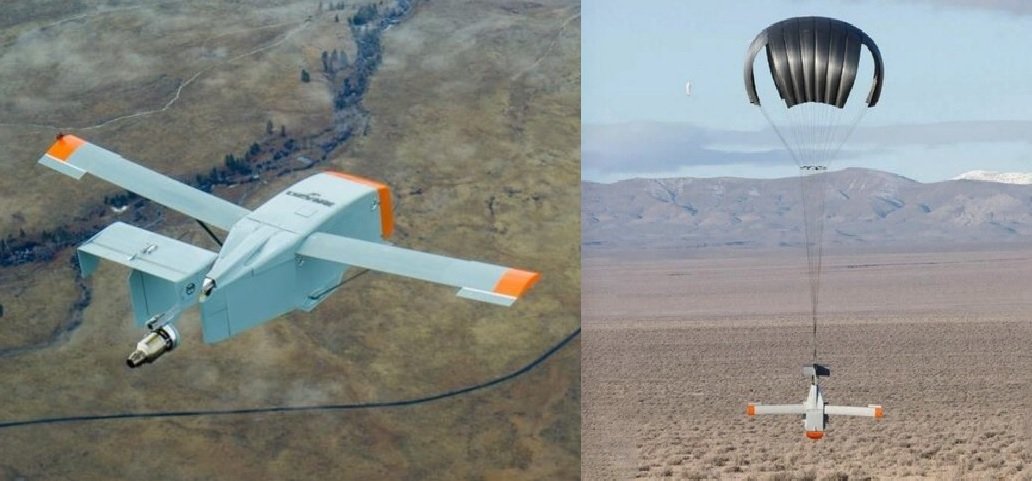
WEST PALM BEACH, Fla. — The U.S. Air Force Research Laboratory (AFRL) has awarded a contract valued at more than $6 million to DZYNE Technologies, LLC, now part of Ondas Inc., to continue development of the Long-Range Grasshopper autonomous aerial delivery system. The contract supports the advancement of a runway-independent logistics platform designed to deliver supplies over extended distances in contested and austere environments.
The award was announced by Ondas on August 6, 2026. Following Ondas' acquisition of DZYNE Technologies in a transaction valued at $875.8 million, all defense-related contract work is now managed through Ondas Sentinel, the company's dedicated U.S. defense division.
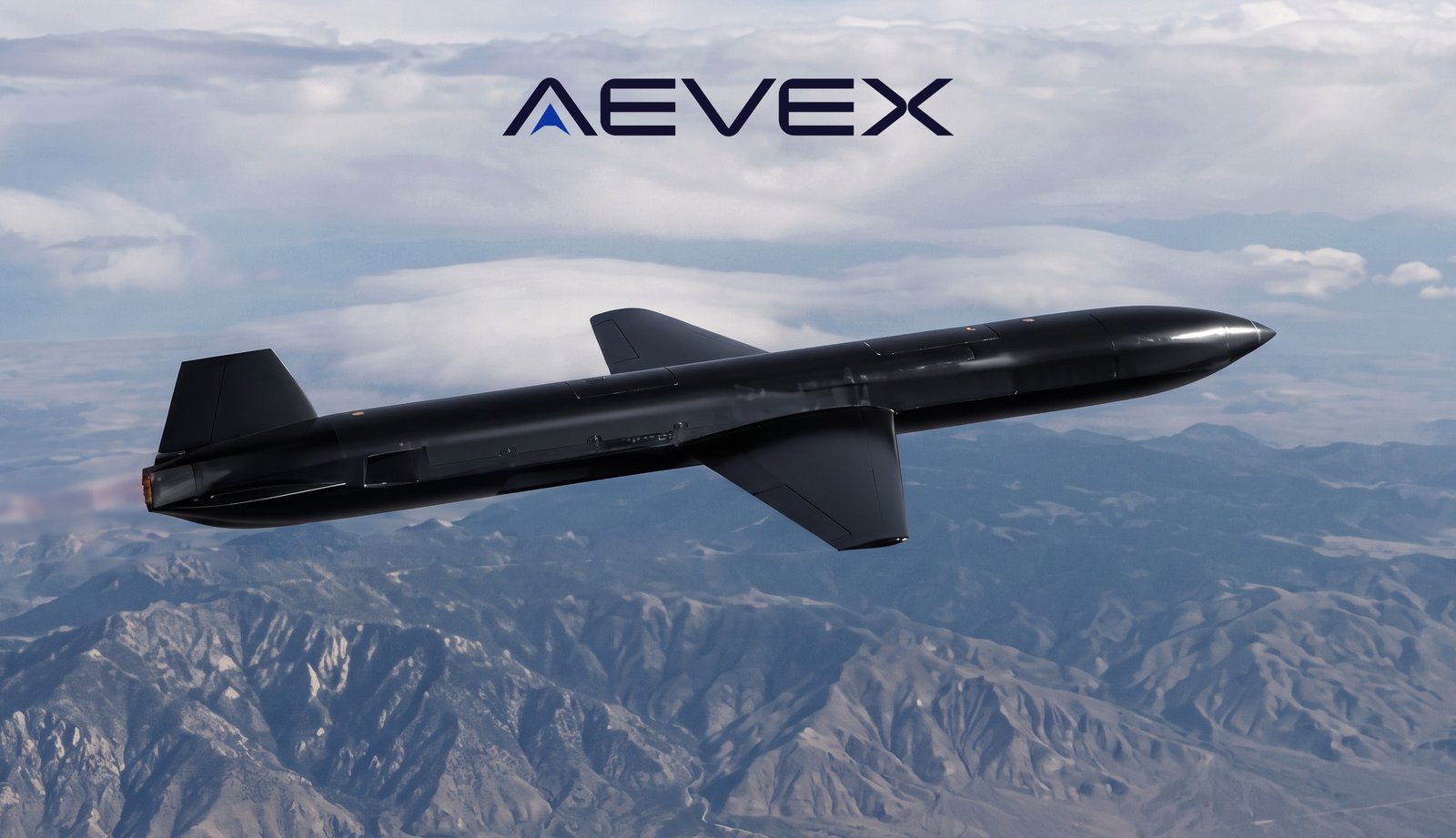
The Long-Range Grasshopper is part of DZYNE's Grasshopper Family of Systems, which provides autonomous precision aerial resupply for military operations. The systems are designed as low-cost, expendable aircraft that are not intended to be recovered or reused after completing their mission. This approach allows military forces to deliver essential supplies without exposing personnel or high-value aircraft to operational risks.
The Grasshopper family includes both a glider version and a turbine-powered Long-Range variant. Both versions are capable of carrying up to 500 pounds of cargo and delivering it with high precision. After being released from a variety of host aircraft, the systems immediately transition into autonomous flight and navigate to pre-planned destinations.
According to the company, the glider version has an empty weight of approximately 575 pounds and a maximum launch weight of 1,075 pounds. The turbine-powered Long-Range version has an empty weight of about 650 pounds and a maximum launch weight of 1,700 pounds. Both variants share a 20-foot wingspan.
The systems are designed to operate in GPS-denied or GPS-degraded environments using autonomous navigation capabilities. They complete deliveries by deploying a parachute for precision landing at the designated target area. Ondas stated that the estimated production cost is approximately $40,000 per vehicle, supported by low-cost manufacturing methods.
The latest contract builds on several years of collaboration between AFRL and the engineering teams now operating under Ondas Sentinel. During a 2024–2025 flight test campaign, the Long-Range Grasshopper successfully demonstrated several key capabilities, including autonomous deployment, jet-engine air-start, extended-range navigation, and precision payload delivery.
The flight testing was conducted at locations including Dugway Proving Ground in Utah and the Pendleton UAS Range in Oregon. According to the company, the original Grasshopper glider progressed from a research concept to a fielded capability in less than 12 months, with several dozen units delivered to the U.S. Air Force. Development of the longer-range version began after operational users requested greater delivery range following the initial deployment of the glider system.
Under the new AFRL contract, development work will continue on both the Long-Range Grasshopper and the Grasshopper glider. The program will focus on improving extended-range flight and endurance, modular payload integration, autonomous navigation in GPS-limited and GPS-denied environments, and increasing system reliability and manufacturability to support larger-scale fielding.
The Long-Range Grasshopper has been developed to support the U.S. Air Force's Agile Combat Employment (ACE) concept, which emphasizes dispersed operations, flexible force deployment, and scalable logistics. The autonomous delivery system is intended to provide precision resupply from multiple launch platforms while reducing the need for fixed infrastructure and helping keep crewed aircraft outside higher-risk areas.
Ondas said the acquisition of DZYNE Technologies expanded its defense capabilities across several mission areas, including multi-domain intelligence, surveillance and reconnaissance (ISR), counter-uncrewed aerial systems (counter-UAS), autonomous effects, aerial security, precision strike, autonomous logistics, and AI-enabled mission orchestration.
Commenting on the contract award, Eric Brock, Chairman and Chief Executive Officer of Ondas, said the agreement supports the company's strategy of building an autonomous defense platform focused on technologies addressing current national security requirements.
Ryan Hartman, Chief Executive Officer of Ondas Sentinel, said long-range, low-cost autonomous delivery is becoming an important capability for future military operations and that AFRL's continued partnership reflects the potential of the Grasshopper system to support distributed logistics in contested environments.
The Long-Range Grasshopper is part of Ondas Sentinel's broader autonomous defense portfolio, which also includes LEAP, ULTRA, and counter-UAS systems. The new AFRL contract further supports continued development of scalable autonomous logistics technologies for future U.S. defense operations.
——— End of Article ———