BRASILIA — South Korea and Brazil have signed a memorandum of understanding (MOU) on space cooperation, marking a new phase in bilateral aerospace relations and expanding collaboration in commercial space launches, satellite data sharing, lunar exploration, and the development of the space industry.
The agreement was signed on July 27, 2026, during a summit in Brasilia between South Korean President Lee Jae Myung and Brazilian President Luiz Inácio Lula da Silva. The MOU was concluded between the Korea AeroSpace Administration (KASA) and Brazil's Space Agency (AEB) for the peaceful use of outer space.
First Space Agreement with Latin America
The agreement is KASA's first space cooperation pact with a Latin American country and follows earlier discussions between the two governments, including a summit held in Seoul in February 2026.
The MOU is intended to strengthen long-term cooperation in the space sector while providing a framework for scientific, technological, and commercial collaboration.
Focus on Commercial Space Launches
A key objective of the agreement is to simplify launch licensing regulations and administrative procedures for South Korean aerospace companies seeking to use Brazil's Alcântara Space Center.
Located near the equator, the Alcântara Space Center offers geographical advantages for certain satellite missions by reducing fuel requirements for specific orbital trajectories, making it an attractive location for commercial launch providers.
By streamlining regulatory procedures, the agreement aims to create a more predictable environment for commercial launches and improve access to Brazilian launch infrastructure for South Korean companies looking to expand their presence in Latin America.
Broader Areas of Cooperation
In addition to launch operations, the two space agencies agreed to cooperate in several areas, including:
- Development of the space industry and space economy
- Launch licensing regulations
- Satellite data sharing
- Lunar exploration
- Scientific, technological, and commercial activities related to the peaceful use of outer space
Building on INNOSPACE's Alcântara Mission
The agreement builds on recent cooperation between the two countries.
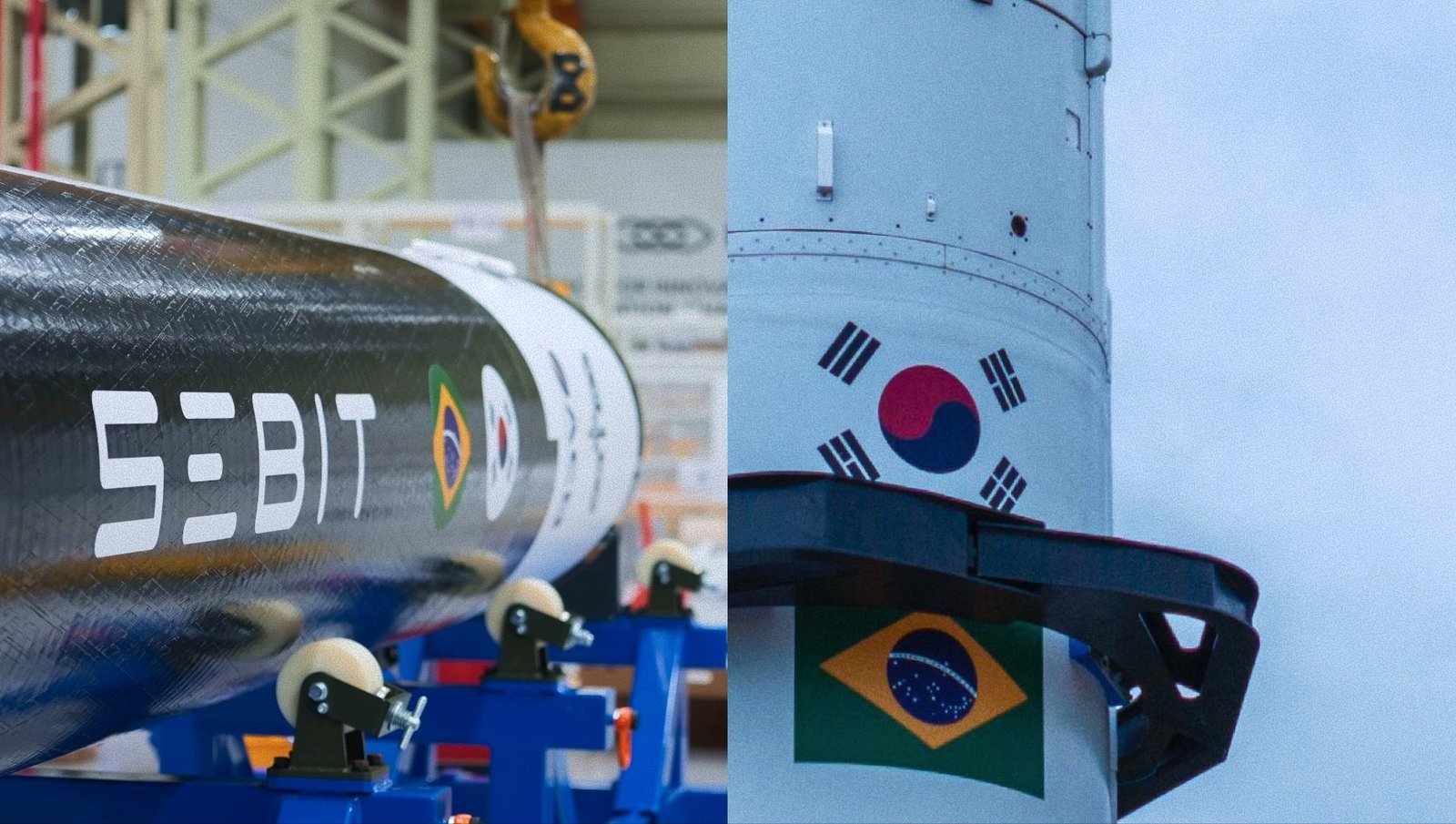
In December 2025, South Korean launch company INNOSPACE carried out Korea's first commercial space launch attempt from the Alcântara Space Center using its HANBIT-Nano rocket under the Spaceward mission.
The mission carried eight small satellites and payloads from Brazil, India, and South Korea.
Although the rocket experienced an anomaly and failed shortly after liftoff, later analysis attributed the failure to a gas leak. Despite the outcome, the mission marked the first commercial orbital launch attempt from Brazilian territory in 22 years and became an important milestone in bilateral space cooperation.
Officials said the operational and logistical experience gained during the mission helped lay the foundation for the new agreement.
Support for Future Launch Activities
According to South Korean officials, the MOU will provide practical support for Korean aerospace companies by reducing launch-related administrative barriers and improving access to Brazilian launch facilities.
The agreement is expected to make commercial launch planning more predictable while supporting future space activities between the two countries.
INNOSPACE has also continued to identify the Alcântara Space Center as a primary launch site and has indicated plans for additional missions from the facility.
Leaders Highlight Expanding Partnership
Following the summit, President Luiz Inácio Lula da Silva invited President Lee Jae Myung to return to Brazil in September for a planned joint space launch at the Alcântara Space Center.
President Lee said the agreement would strengthen cooperation in commercial launches, satellite data sharing, and space exploration while further expanding collaboration between the two countries' space sectors.
Part of Broader Bilateral Cooperation
The space cooperation agreement was one of seven memorandums of understanding signed during the July 27 summit.
The broader package also included agreements covering supply chains, critical minerals, energy, defense, trade, and cultural exchanges, reflecting efforts by both governments to deepen their strategic partnership.
The two leaders also adopted a joint statement describing 2026 as the beginning of a new phase in bilateral relations, with expanded cooperation across multiple sectors, including commercial space and advanced technology.
——— End of Article ———