KYIV — Ukrainian investigators are examining the accuracy of North Korea's KN-23 short-range ballistic missile after discovering a second impact site linked to Russia's overnight missile attack on Ukraine on July 30, 2026.
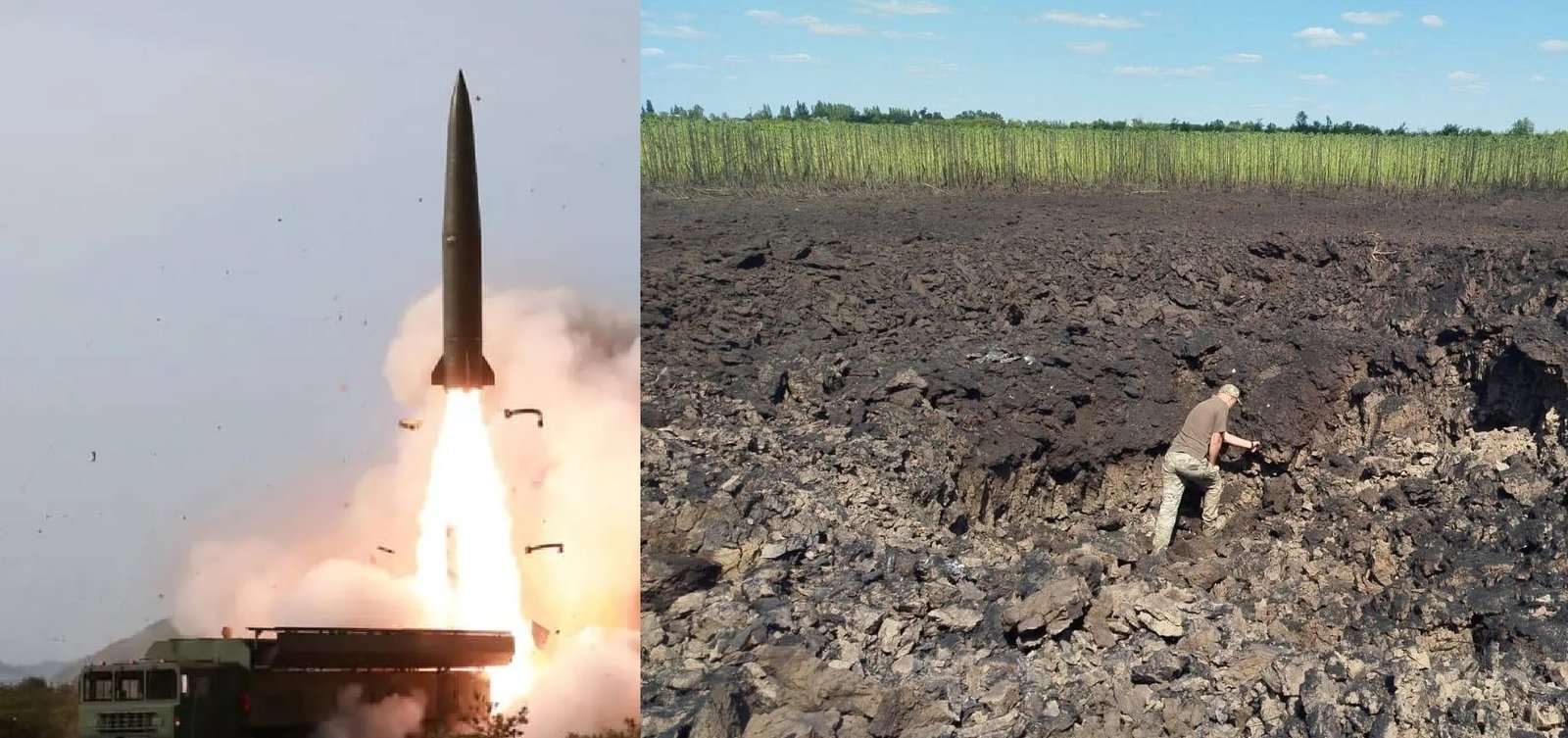
According to Ukrainian officials, Russian forces launched two North Korean KN-23 ballistic missiles during the attack. One missile struck a private home in the village of Radushne near Kryvyi Rih in Ukraine's Dnipropetrovsk region, while the second landed in an open field approximately 3.5 kilometers (2.2 miles) away.
The distance between the two impact sites has become a key focus of the investigation, with Ukrainian authorities assessing the missile's operational accuracy.
Second KN-23 Impact Site Located
Vladyslav Vlasiuk, Ukraine's presidential commissioner for sanctions policy, confirmed that investigators had located the second impact crater.
"A fragment of a second North Korean ballistic missile KN-23, which Russia used during the shelling of Ukraine on July 30, has been found," Vlasiuk said.
He stated that the second missile exploded in an empty field rather than a populated area. According to Vlasiuk, there were no potential military or infrastructure targets within a 5-kilometer radius of the impact site.
"The first missile of this type hit a private home in Radushne near Kryvyi Rih. The second KN-23 exploded in a field. Between these 'hits' is 3.5 km. There are no potential targets within a 5 km radius," he said.
Civilian Casualties in Radushne
The first missile struck the home of the Voronov family in Radushne, completely destroying the house.
Initial assessments from Vlasiuk reported six fatalities, including three children, while several minors were initially unaccounted for following the strike. Local reports identified the victims as parents Artem Voronov, 47, and Olena Voronov, 41, along with children including Mark, 17; Azarii Ilai, 11; and Emilia, 6. Other family members present included additional siblings and a 1.5-year-old grandson.
Later, Ukrainian President Volodymyr Zelensky confirmed that the final death toll had risen to 10 members of the family.
In his evening address on July 30, Zelensky condemned the attack and said North Korean-made weapons were being used against Ukrainian civilians far from the front lines.
Questions Over Missile Accuracy
The KN-23 is a solid-fueled, road-mobile short-range ballistic missile developed by North Korea. Military analysts have frequently noted its similarities in appearance and performance to Russia's Iskander-M ballistic missile system.
Vlasiuk described the KN-23 as "practically a full analog of the Russian Iskander."
Recent intelligence assessments have indicated that Russian engineers have been working with North Korea to improve the KN-23's accuracy using combat experience gained during the war in Ukraine. Some assessments have suggested that the missile's reported margin of error had been reduced from more than one kilometer to between 1 and 5 meters.
However, Ukrainian officials say the latest strike near Kryvyi Rih raises new questions about the missile's real-world performance.
Ukrainian defense sources have previously reported that a significant number of North Korean missiles used by Russia have failed to follow their programmed flight paths or have exploded before reaching their intended targets.
Shared Components Under Investigation
Investigators are also examining debris recovered from the missile strike.
According to Vlasiuk, investigators have identified structural similarities between the KN-23 and Russia's Iskander-M missile, including identical Western-manufactured components found inside both systems.
He said the findings suggest that the supply networks enabling Russia to obtain foreign electronics, sensors and guidance components despite international sanctions may also be supporting North Korea's missile program.
Ukrainian officials are continuing to examine the recovered missile remnants as part of the investigation.
Expanding Russia-North Korea Military Cooperation
The use of KN-23 missiles reflects the growing military cooperation between Russia and North Korea, which has expanded since 2022.
According to Ukrainian and Western assessments, North Korea has supplied Russia with ballistic missiles, large quantities of artillery shells and military personnel to support Russian operations.
Commenting on the partnership, Vlasiuk said:
"One of the examples of Russia's dependence on North Korea's military assistance. North Korean missiles kill Ukrainian civilians just like Russian ones do. And everyone who ensures the military partnership between Moscow and Pyongyang and the supply of critical components for the defense industry must bear responsibility for this."
Part of a Larger Missile and Drone Attack
The July 30 strike formed part of a broader Russian overnight attack involving more than 70 missiles and hundreds of drones, according to Ukrainian officials. The barrage caused casualties and damage in multiple regions, including Lviv.
Ukrainian Air Force communications head Yurii Ihnat said radar data and operational reports suggested that KN-23 ballistic missiles may have been used alongside Iskander-M ballistic missiles and S-400 missile systems during the attack.
Ukrainian air defenses intercepted a significant portion of the incoming missiles and drones, while investigators continue to examine the impact sites and missile debris to determine additional details about the weapons used.
Russia and North Korea have not publicly commented on the reported use of KN-23 missiles in the July 30 strike.
——— End of Article ———