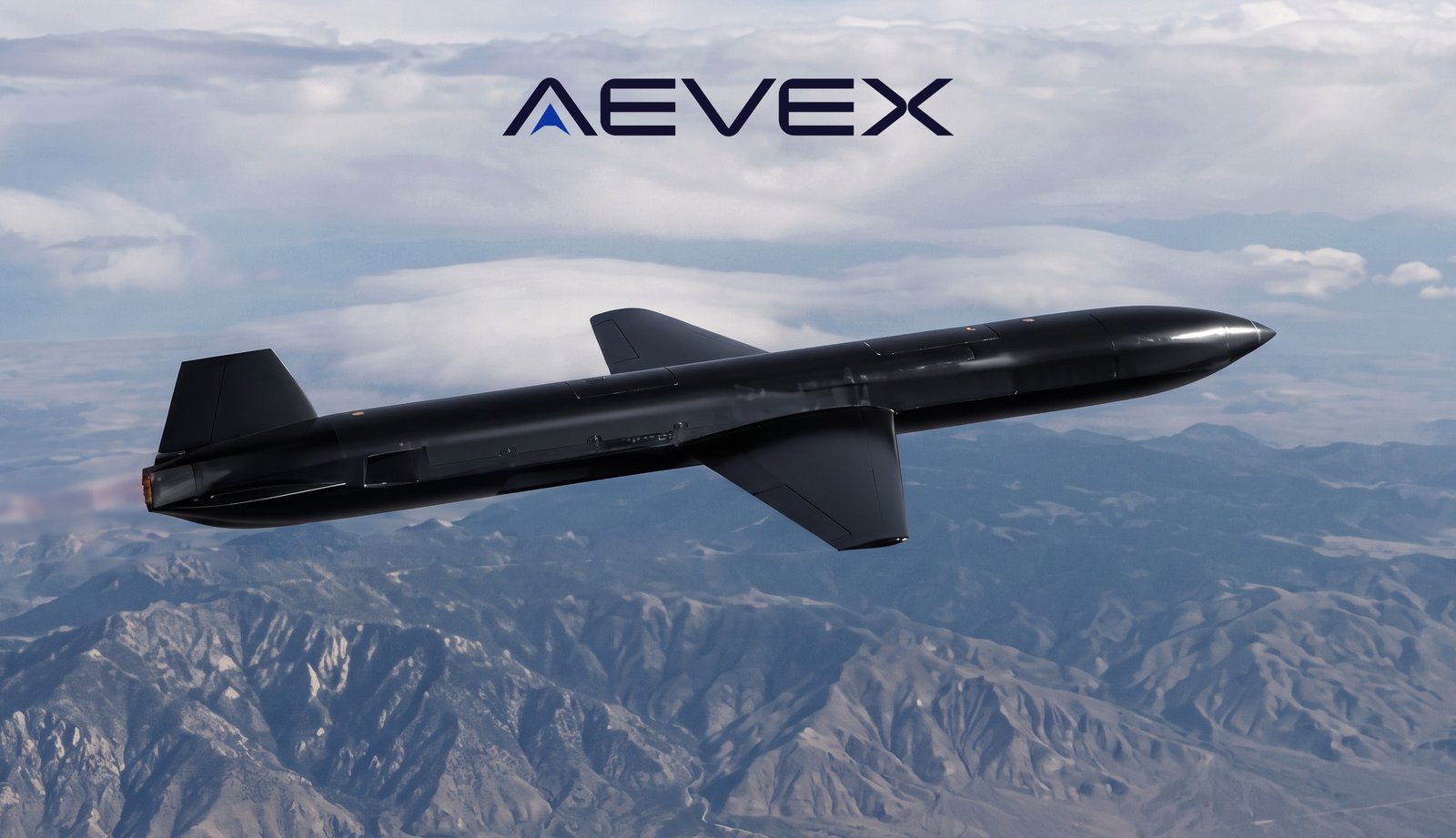
ARLINGTON, Virginia — The U.S. Defense Advanced Research Projects Agency (DARPA) is seeking industry concepts for a new generation of hypersonic cruise missile designed to combine speeds above Mach 5 with lower development and production costs.
DARPA’s Tactical Technology Office issued a Request for Information (RFI) on August 7 for the Next Generation Hypersonic Cruise Missile (NGHCM). The agency is looking for an air-breathing weapon that can fly faster than Mach 5 and can be produced efficiently at scale.
Responses are due by October 6. DARPA also plans to hold an industry day in September in Arlington, Virginia, to provide additional technical information and discuss the program with interested organizations.
An RFI does not award a contract or guarantee funding. It allows the government to collect industry input while developing potential technical requirements and acquisition plans.
Focus on Air-Breathing Hypersonic Technology
The NGHCM is planned as an air-breathing hypersonic cruise missile rather than a boost-glide weapon. The concept would use oxygen from the atmosphere during flight instead of carrying an oxidizer.
DARPA is seeking concepts based on scramjet propulsion. Scramjets compress incoming air at supersonic speeds and use it to support combustion of fuel.
The agency is also asking industry to consider different missile sizes and launch methods. Concepts could include weapons small enough for fighter aircraft weapons bays, as well as larger versions for bombers, naval ships or ground launchers.
The primary objective is to develop a weapon capable of operating against advanced integrated air defense systems (IADS), which combine radars, surface-to-air missiles and fighter aircraft.
Building on the HAWC Program
The NGHCM effort builds on DARPA's previous Hypersonic Air-breathing Weapon Concept (HAWC) program, conducted with the U.S. Air Force.
HAWC focused on technologies for air-breathing hypersonic flight, including scramjet propulsion, vehicle design and thermal management.
In January 2023, a Lockheed Martin-built HAWC vehicle completed its final flight test. DARPA reported that it exceeded Mach 5, reached an altitude above 60,000 feet and traveled more than 300 nautical miles.
The work later continued through More Opportunities with HAWC (MoHAWC), which involved further development and flight testing of technologies from Raytheon and Northrop Grumman.
HAWC technology also contributed to the Air Force's Hypersonic Attack Cruise Missile (HACM) program led by Raytheon.
Cost and Production Challenges
DARPA's new effort places strong emphasis on manufacturing from the beginning of development.
The agency wants companies to apply Design for Manufacturing and Assembly (DFMA) principles so that future weapons can be produced more efficiently instead of relying on expensive prototypes that are difficult to manufacture in larger numbers.
The RFI asks industry to explore new propulsion technologies, heat-resistant materials and testing methods that could reduce development time and production costs.
DARPA is also encouraging partnerships between major defense contractors and smaller or non-traditional companies, including universities and government laboratories.
The approach reflects challenges faced by existing U.S. hypersonic programs, including HACM. A July 2026 Government Accountability Office report said HACM's flight-testing plan had been reduced from seven tests to five, while its initial operational capability target had moved to fiscal year 2029. The report also said development costs were approaching $2 billion.
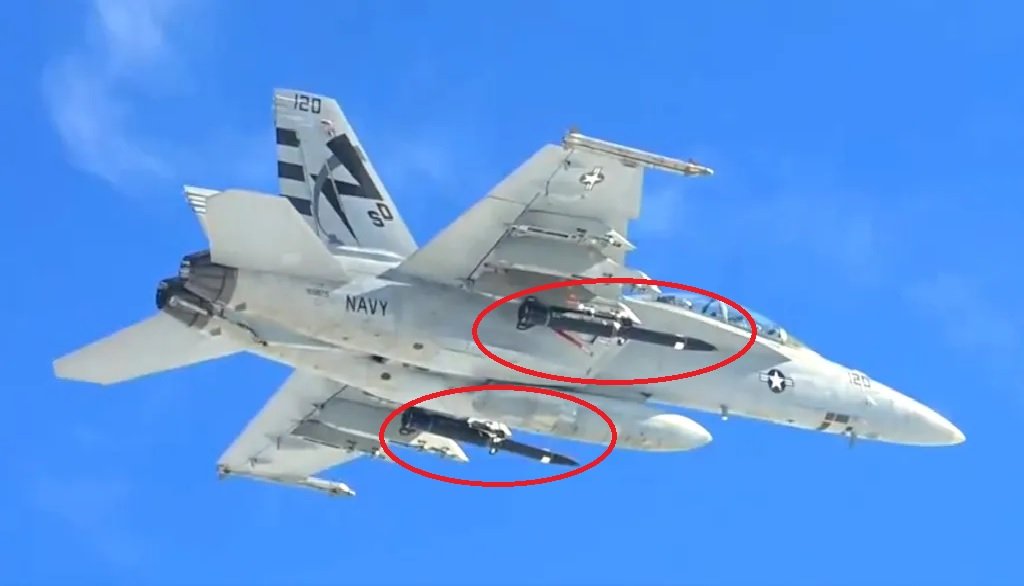
The Air Force has also provided funding for the earlier AGM-183A Air-Launched Rapid Response Weapon (ARRW) as another path while hypersonic development continues.
Next Steps
DARPA will use responses to the RFI to assess available technologies and help shape potential technical requirements and acquisition plans.
The September industry day in Arlington will provide additional information to interested organizations, while responses to the RFI are due October 6.
The NGHCM remains at the information-gathering and technology-development stage. DARPA has not awarded a production contract through the RFI.
The program is focused on finding an air-breathing hypersonic cruise missile approach that can achieve Mach 5-plus speeds while addressing development time, manufacturing efficiency and production cost.
——— End of Article ———