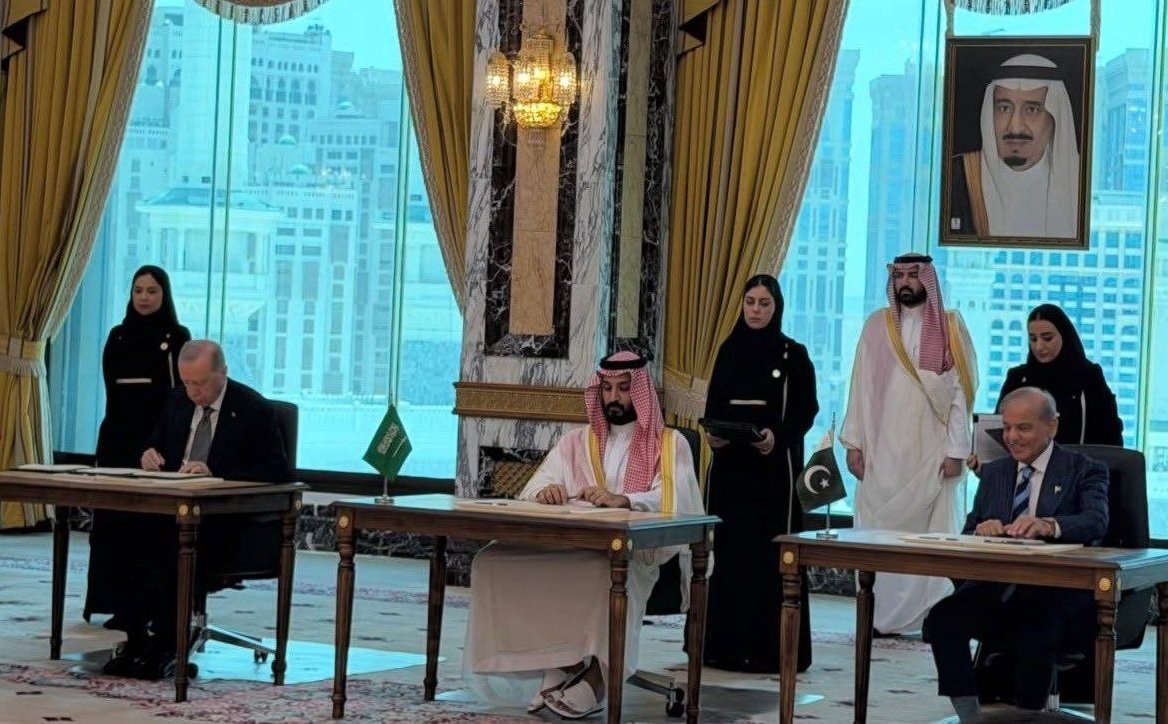
MECCA, Saudi Arabia — Saudi Arabia, Turkey and Pakistan have signed the Mecca Joint Defence Agreement, a trilateral mutual defence pact stating that an armed attack against any one of the three countries will be treated as an attack against all three.
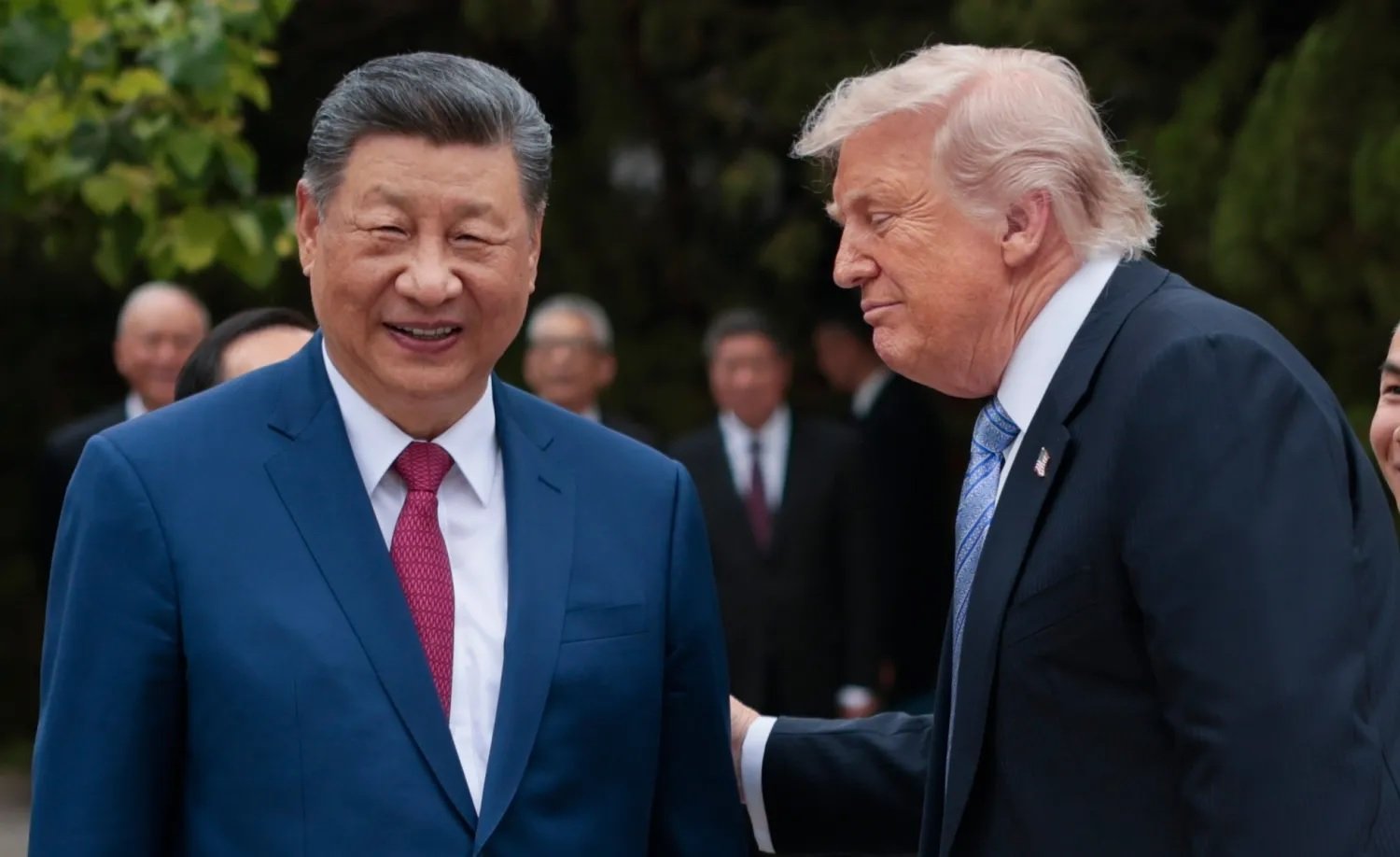
The agreement was signed on Friday during the Makkah Al-Mukarramah Summit for Joint Defence at Al-Safa Palace in Mecca. Saudi Crown Prince and Prime Minister Mohammed bin Salman, Turkish President Recep Tayyip Erdogan, and Pakistani Prime Minister Shehbaz Sharif signed the document after meeting at the invitation of King Salman bin Abdulaziz Al Saud.
Pakistan's delegation also included Chief of Defence Forces and Army Chief Field Marshal Asim Munir. Prime Minister Shehbaz Sharif arrived in Saudi Arabia on Thursday for a three-day visit, while President Erdogan traveled to the Kingdom on Friday for the summit. Before the meeting, the Pakistani delegation performed Umrah in Mecca.
Collective Defence and Military Cooperation
According to the joint statement issued after the summit, the agreement aims to strengthen collective deterrence against external aggression and expand defence cooperation among the three countries.
Its main provisions include:
- An armed attack against one member will be regarded as an attack against all three.
- Expanded defence cooperation, including intelligence sharing, joint military training and defence technology development.
- A shared commitment to promoting peace, security and regional stability.
Pakistan's Ministry of Foreign Affairs said the agreement builds on the longstanding historical ties, Islamic solidarity and shared strategic interests of the three countries.
Builds on Earlier Saudi-Pakistan Defence Pact
The new agreement expands the Strategic Mutual Defence Agreement signed by Saudi Arabia and Pakistan in September 2025, which also stated that an attack on one country would be treated as an attack on the other. Turkey has now been formally added to that collective defence framework.
A Turkish official described the agreement as purely defensive, saying it is not directed against any specific country or actor, does not replace existing bilateral or multilateral arrangements, and remains open to other regional countries in the future.
Strategic Significance
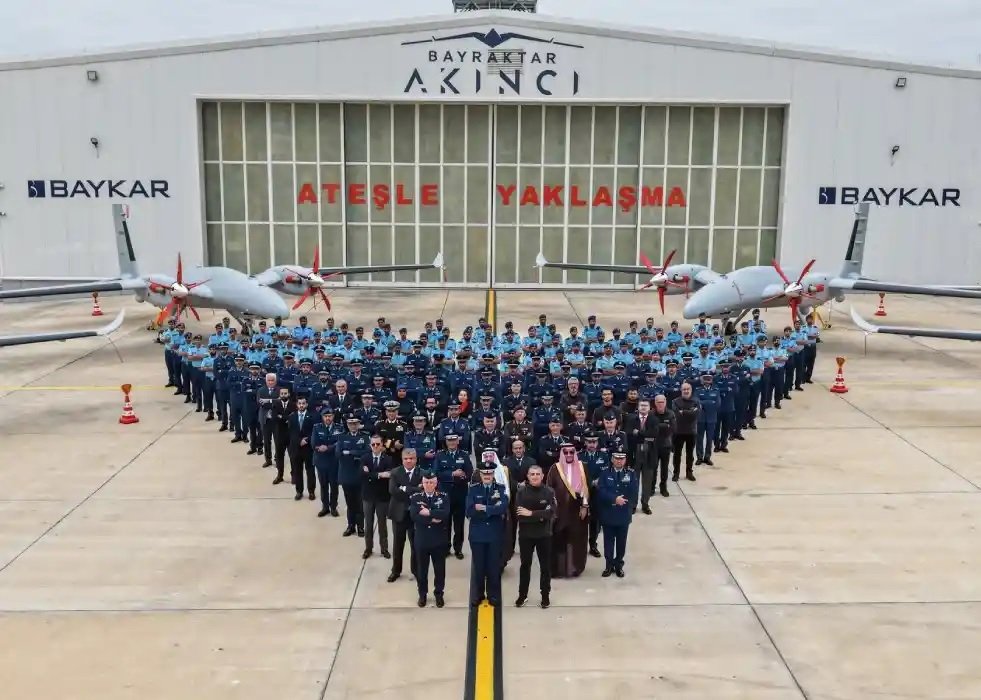
The three countries bring different military and strategic capabilities to the partnership. Turkey is a NATO member with the alliance's second-largest military and a growing defence industry. Saudi Arabia is a leading oil exporter and a major political and economic power in the Arab world. Pakistan is the only nuclear-armed Muslim-majority country and has maintained long-standing military cooperation with Saudi Arabia. Turkey and Pakistan have also expanded defence cooperation in recent years, while Saudi Arabia has purchased Turkish-made drones.
The agreement follows nearly a year of discussions and comes during heightened security tensions across the Middle East.
Will the Agreement Work During a Major War?
While the agreement establishes a collective defence principle, one of the biggest unanswered questions is how it would operate during a major conflict.
The joint statement does not explain what form military assistance would take or whether support would automatically include combat operations, troop deployments, air defence or other military actions. The operational obligations have not been made public.
History shows that mutual defence agreements do not always result in direct military intervention.
For example, Saudi Arabia and Pakistan signed a bilateral defence agreement in 2025, yet during periods of Iranian missile and drone attacks targeting Saudi Arabia, Pakistan did not publicly participate in direct military operations against Iran, and Pakistani authorities did not announce that the agreement had been activated.
Another example is Russia's security commitments to Armenia through the Collective Security Treaty Organization (CSTO). During Armenia's conflicts with Azerbaijan, Russia did not directly intervene with combat forces, demonstrating that defence agreements are often influenced by political decisions, treaty interpretation and national interests.
Governments also consider the economic and strategic costs of joining a major war. Direct military involvement can affect trade, energy supplies, financial markets and national security, particularly when conflicts involve major regional or global powers. For this reason, countries usually evaluate each crisis individually before deciding the level of support they are willing to provide.
The agreement also raises questions about how it would operate in the event of a future India-Pakistan conflict. The treaty does not specify whether Saudi Arabia or Turkey would provide direct military assistance in such a situation. Any response would ultimately depend on political decisions taken at that time, taking into account military, diplomatic, economic and regional security considerations.
The Mecca Joint Defence Agreement represents a significant political commitment to deepen defence cooperation among Saudi Arabia, Turkey and Pakistan. However, its practical effectiveness can only be assessed if one of its members faces a future security crisis. Until then, the agreement establishes the principle of collective defence, while the exact implementation of its commitments remains undefined.
——— End of Article ———