COWES, Isle of Wight — GKN Aerospace has completed the engineering, manufacture, and integration of flight-ready wings, fins, and control surfaces for Brontanax, the United Kingdom's first Collaborative Combat Aircraft (CCA) prototype developed by BAE Systems.
The delivery marks a key milestone for the Brontanax programme and demonstrates the rapid pace at which the aircraft has progressed from a clean-sheet design to a flight-ready prototype. According to GKN Aerospace, the programme also highlights an accelerated approach to military product development and supply chain management.
Composite Structures Built for Flight-Ready Prototype
BAE Systems selected GKN Aerospace's advanced composite manufacturing and assembly capabilities to produce the aircraft's primary aerodynamic structures. The components were engineered to meet the technical requirements of the Brontanax prototype while supporting the programme's compressed development schedule.
To deliver the project, GKN Aerospace combined expertise from its global network of facilities, drawing on specialist capabilities in composite manufacturing, novel tooling design, and complex product assembly.
The flight-ready wings, fins, and control surfaces were manufactured at the company's composite design and assembly facility in Cowes on the Isle of Wight.
The delivery also coincides with a significant local milestone, marking 125 years of aerospace innovation on the Isle of Wight.
According to GKN Aerospace, the project demonstrates its ability to manufacture airworthy prototype structures while continuing to support established high-volume commercial aerospace programmes.
Brontanax Collaborative Combat Aircraft
Brontanax is an uncrewed autonomous aircraft designed to operate alongside crewed combat aircraft, including the Typhoon. The platform is intended to provide electronic warfare and precision strike capabilities against both airborne and ground targets.
The aircraft is similar in size to a Hawk trainer and has a maximum take-off weight of more than five tonnes.
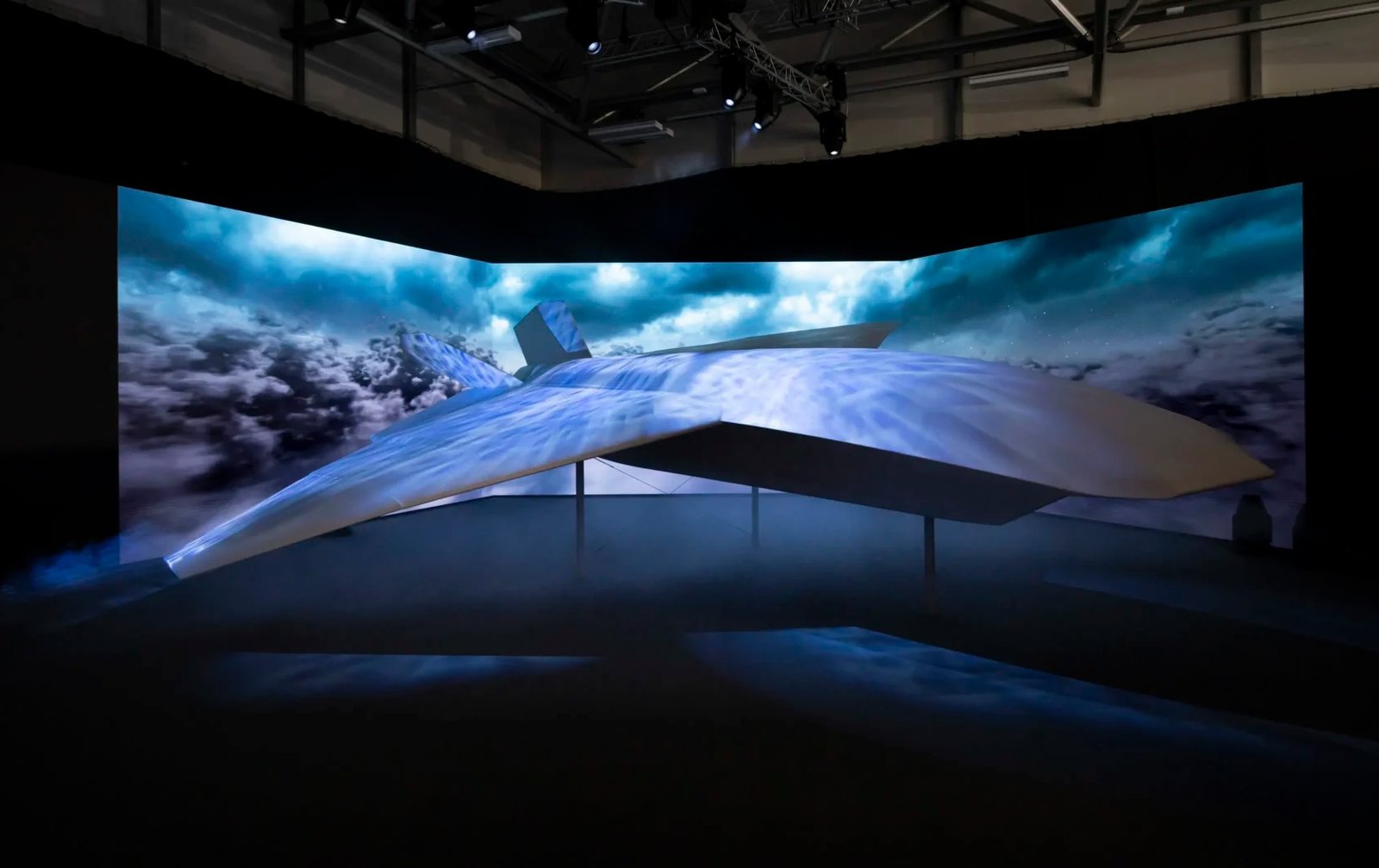
BAE Systems unveiled a full-size model of Brontanax at the Farnborough International Airshow on 22 July 2026 and confirmed that a flightworthy prototype has been built at its Warton facility in Lancashire.
Rapid Development Programme
Development of Brontanax began in 2022 under BAE Systems' FalconWorks rapid development unit.
The programme has involved more than 500 BAE Systems employees and approximately 75 UK suppliers. BAE Systems has invested more than £400 million of its own funding in the project to date.
According to the company, the programme will move into its next development phases with power-on planned before the end of the third quarter of 2026, followed by ground trials during the first half of 2027. The first flight is planned for later in 2027 from an undisclosed Royal Air Force site.
Company Statements
Rupert Dix, Senior Vice President Defence at GKN Aerospace, said the programme demonstrates the company's ability to rapidly transform advanced aircraft concepts into flight-ready structures.
"This is the latest example of GKN Aerospace's ability to turn complex, clean-sheet designs into flight-ready reality at an unprecedented pace. By combining our advanced engineering with cutting-edge manufacturing, we are actively shaping the future of next-generation combat air power for the UK and our global allies."
Mark Wilson, Head of Autonomous Collaborative Platforms at BAE Systems, said GKN Aerospace played an important role in meeting the programme's demanding schedule.
"The rapid progression from concept to prototype integration is a remarkable achievement. GKN Aerospace's industrial expertise, agility and commitment to collaboration have been pivotal in delivering high-quality, flight-ready structures within an extraordinarily compressed timeline."
Strengthening UK Defence Manufacturing
GKN Aerospace said the Brontanax programme expands its role in supporting the UK's next-generation combat air capabilities while demonstrating the strength of its domestic engineering and manufacturing base.
The company added that it intends to continue applying its UK industrial capabilities to current and future defence programmes and will use the experience gained from the rapid-development project to support customers across its wider international business network.
——— End of Article ———