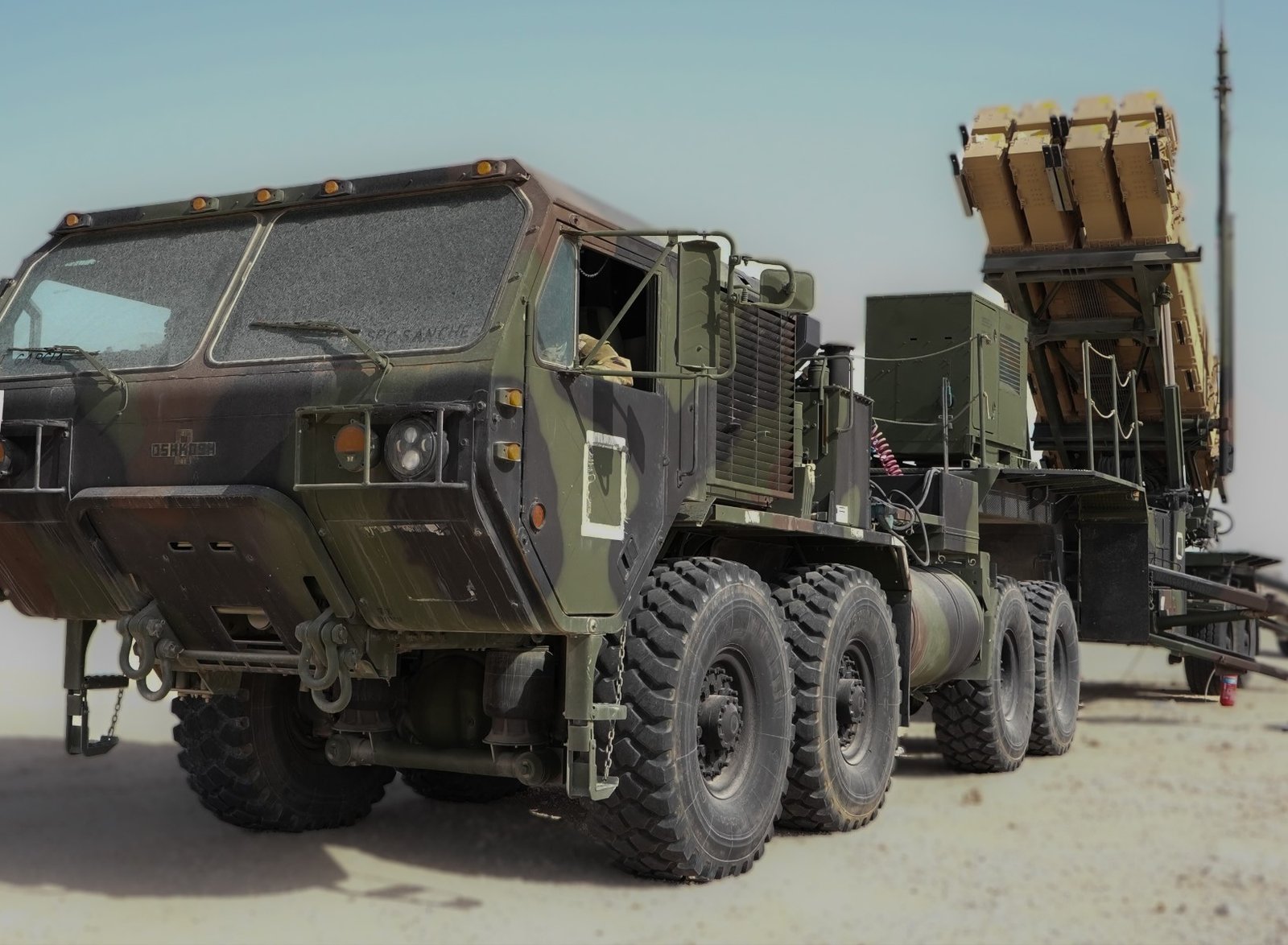
GRAND PRAIRIE, Texas — The U.S. Army has awarded Lockheed Martin Missiles and Fire Control a contract worth up to $347.5 million to continue development of new Patriot missile defense technologies designed to address a long-standing limitation in the system's radar coverage.
The contract, awarded on July 1, 2026, funds Phase 2 of the Missile Segment Enhancement (MSE) Containerized Launcher and Remote Interceptor Guidance 360 Degrees (RIG-360) Containerized System program. Lockheed Martin Missiles and Fire Control, based in Grand Prairie, Texas, will carry out the work.
The Phase 2 award follows a $61 million Phase 1 contract issued by the U.S. Army in May 2026 for the initial development and demonstration of the same technologies. The Army Contracting Command at Redstone Arsenal, Alabama, awarded the Phase 2 contract on a sole-source basis, citing Lockheed Martin's proprietary technical data.
Addressing Patriot's Radar Coverage Limitation
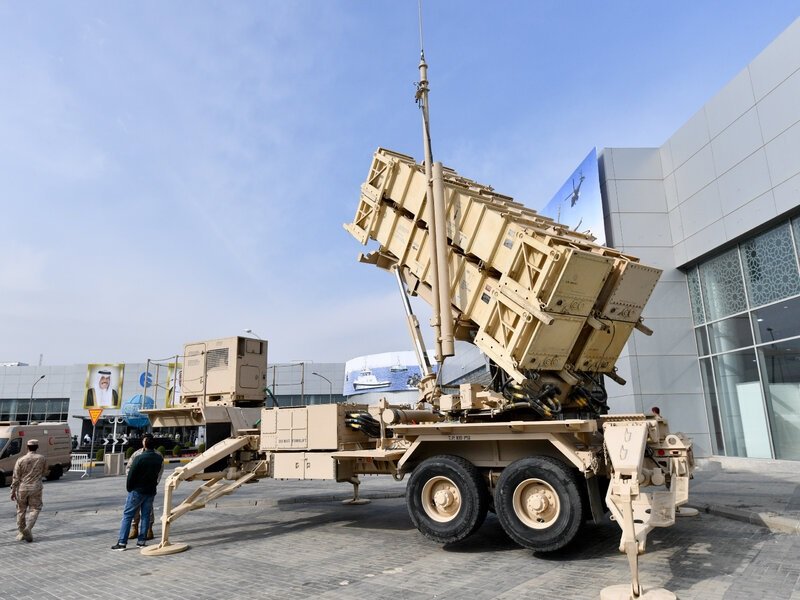
Current Patriot air defense batteries rely on the AN/MPQ-65 radar, which is designed to track and engage threats within a fixed 120-degree sector rather than providing full 360-degree coverage.
When a missile, aircraft, or drone approaches from outside that sector, the radar cannot generate the precise fire-control tracking data required by the PAC-3 interceptor. The new Phase 2 program is intended to eliminate this operational limitation by improving how Patriot interceptors receive guidance during engagements.
The importance of expanding radar coverage has gained increased attention as modern cruise missiles, ballistic missiles, and unmanned aerial systems are capable of approaching from multiple directions.
Containerized Launcher for Greater Flexibility
One major part of the program is the MSE Containerized Launcher.
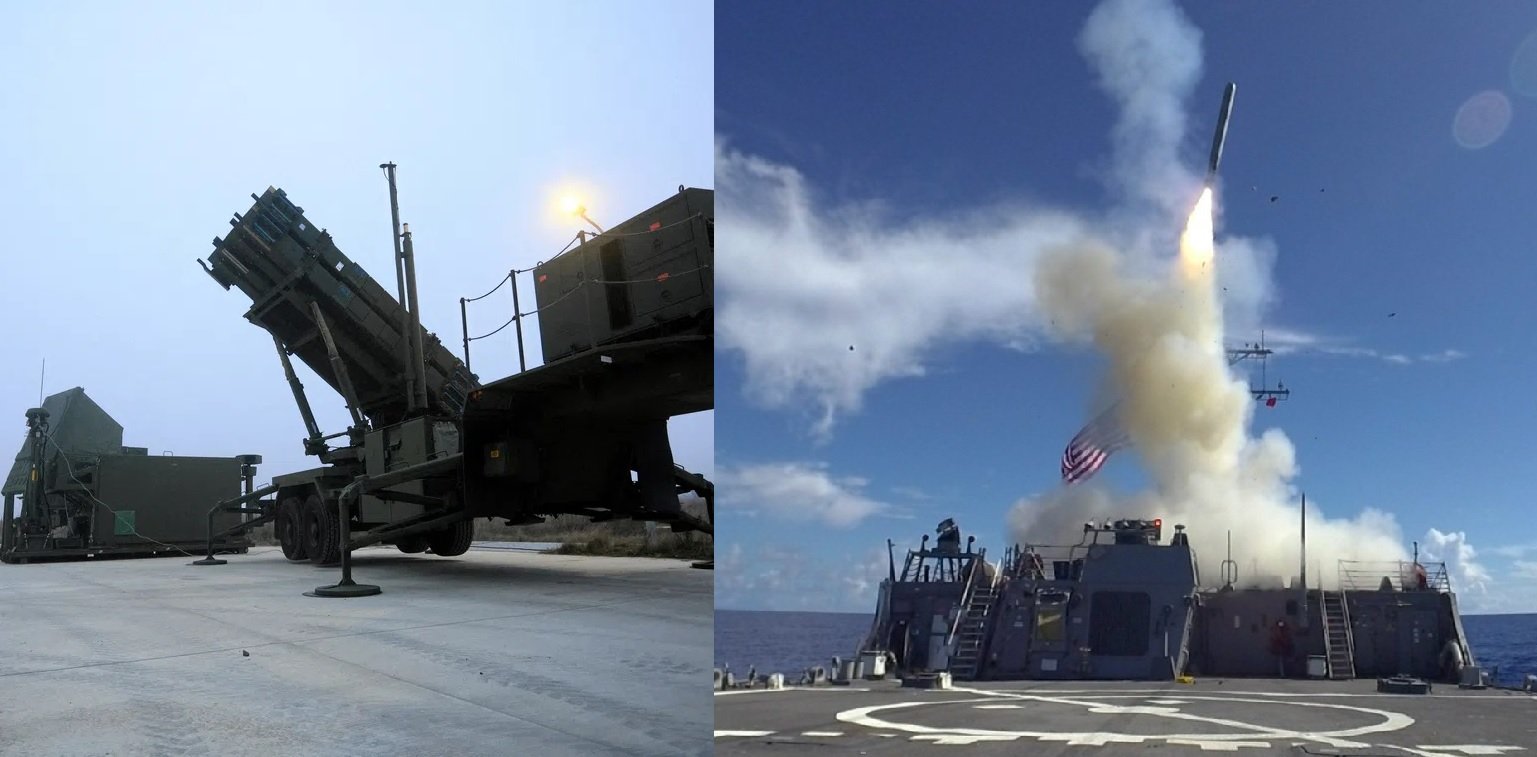
Instead of installing Patriot launchers on the traditional M903 launcher vehicle, the new design places the launcher inside a standard shipping container. This allows the launcher to be transported by suitable trucks and positioned at improvised deployment locations.
By distributing launchers across a wider area, the U.S. Army aims to make individual launch sites more difficult to locate while providing greater deployment flexibility for Patriot batteries.
RIG-360 Designed for All-Direction Guidance
The second major component is the Remote Interceptor Guidance 360 Degrees (RIG-360) system.
RIG-360 is a hemispherical guidance device designed to provide continuous tracking and guidance information to Patriot interceptors regardless of the direction from which a threat approaches. The system is intended to supply the missile with guidance data using information from available sensors, helping overcome the directional limitation of the legacy radar.
Integration with the Army's IBCS Network
Both the Containerized Launcher and the RIG-360 system will integrate with the U.S. Army's Integrated Battle Command System (IBCS).
IBCS enables missiles launched from one location to use tracking and targeting information collected by different sensors elsewhere on the battlefield, allowing multiple air defense assets to operate as a connected network.
The U.S. Army successfully demonstrated this networked capability during a 2021 live-fire PAC-3 MSE engagement. Since then, IBCS has entered full-rate production and has been fielded operationally with allied forces in Poland.
Eight Development Increments Planned
According to the contract, Phase 2 work will be carried out through eight development increments, including five increments for the Containerized Launcher and three increments for the RIG-360 system.
Development will progress through hardware-in-the-loop laboratory testing, design maturity reviews, environmental qualification testing, live-fire flight testing, and final manufacturing validation. The phased approach is intended to identify and resolve design issues before wider production.
Part of Broader Patriot Modernization
The new contract comes as demand for Patriot air defense systems and interceptors continues to increase.
In April 2026, Lockheed Martin received a separate $4.76 billion U.S. Army contract to manufacture PAC-3 MSE interceptors through mid-2030. Approximately 94 percent of that contract's funding is expected to come from Foreign Military Sales (FMS) customers.
The company also introduced the PAC-3 Adapted Capability Effector (ACE) during the Farnborough International Airshow on July 20, 2026. According to Lockheed Martin, the new interceptor is priced at less than half the cost of a standard PAC-3 MSE interceptor and is intended to increase Patriot magazine capacity while allowing higher-cost PAC-3 MSE interceptors to be reserved for more demanding threats.
The newly awarded Phase 2 contract will continue the development and demonstration of the Containerized Launcher and RIG-360 systems as the U.S. Army advances the next stage of Patriot air defense modernization.
——— End of Article ———