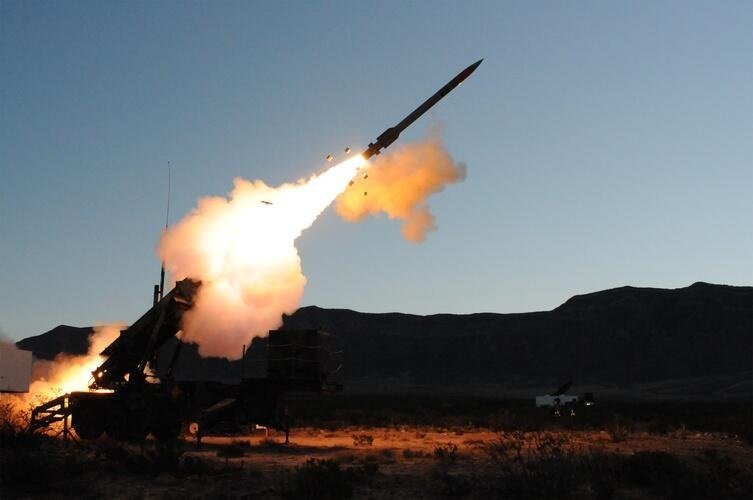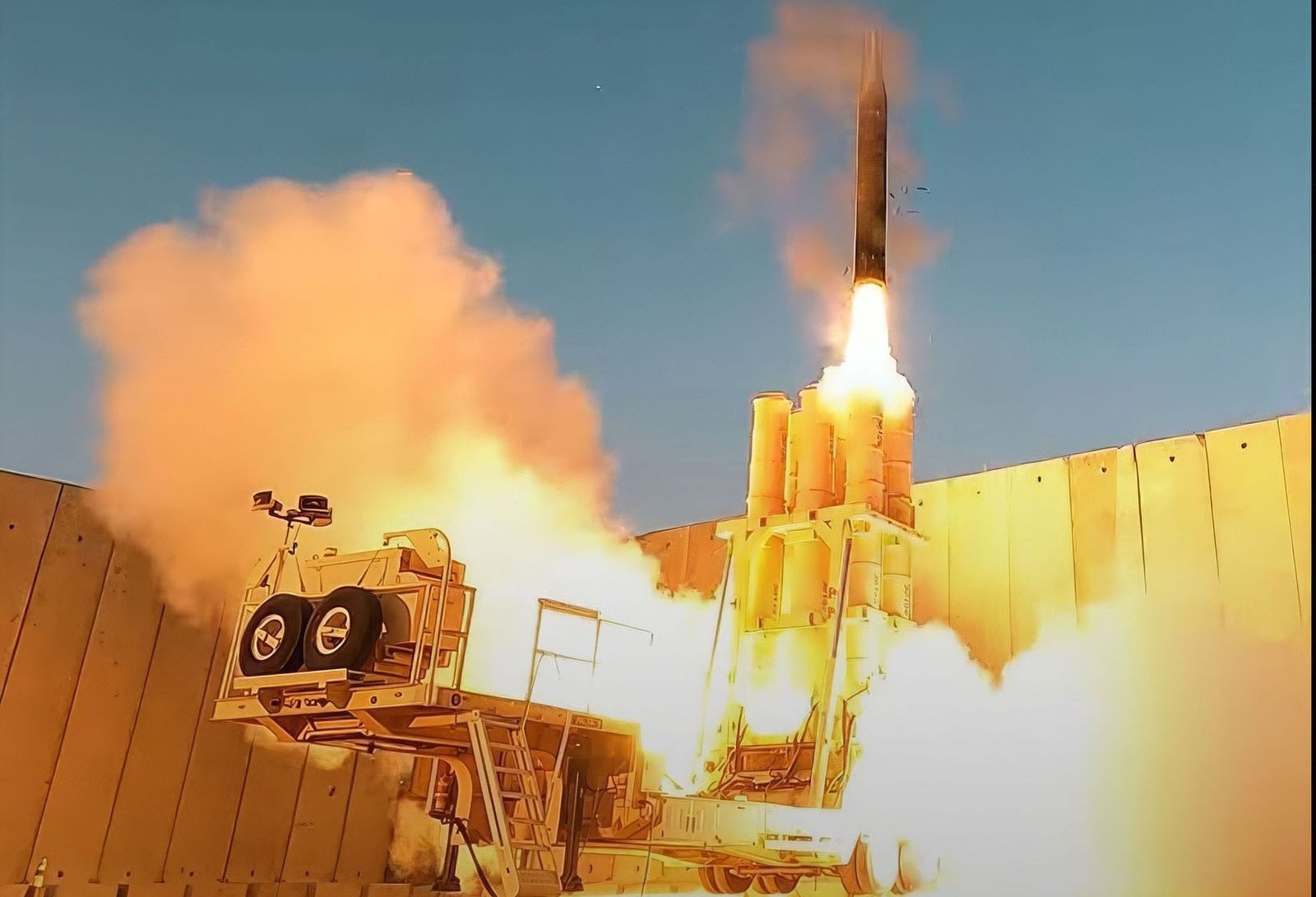
TEL AVIV, Israel — The Israeli Ministry of Defense, in cooperation with the U.S. Missile Defense Agency (MDA), successfully completed a planned test of the Arrow Weapon System on Wednesday from a test site in central Israel, marking another step in the long-term modernization of Israel's upper-tier missile defense capabilities.
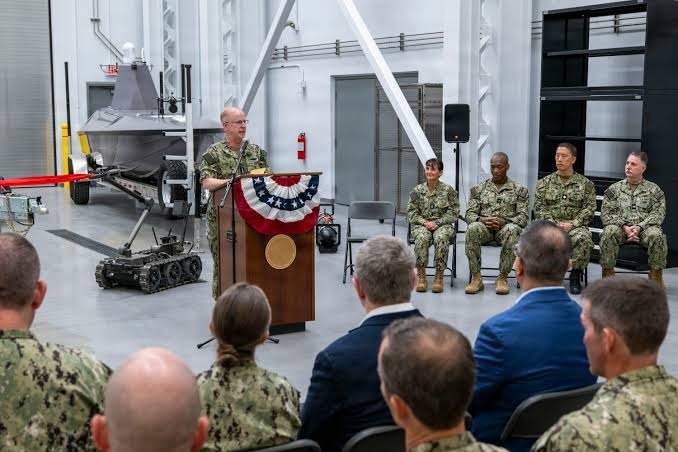
The test was conducted by the Israeli Missile Defense Organization (IMDO), part of the Directorate of Defense Research & Development (DDR&D), together with the Israel Defense Forces (IDF), Israel Aerospace Industries (IAI), and the U.S. MDA. Senior officials from both Israel and the United States were present during the launch.
The exercise formed part of a multi-year development program focused on upgrading the Arrow Weapon System to address evolving ballistic missile threats. According to the Ministry of Defense, the latest test evaluated new technological improvements that will support the continued deployment of the system within the IDF.
Key Layer of Israel's Air Defense Network
The Arrow Weapon System is the highest layer of Israel's multi-tiered air and missile defense architecture. It includes the Arrow 2 and Arrow 3 interceptors and operates alongside David's Sling, Iron Dome, and Iron Beam.
The system is designed to intercept ballistic missiles at high altitudes and, in the case of Arrow 3, outside the Earth's atmosphere using hit-to-kill technology. It relies on the Green Pine and Super Green Pine radar systems to detect and classify threats before transmitting data through an advanced command-and-control and fire control network. The Israeli Air Force's Air Defense Command operates the system.
Over the past three years, Arrow 2 and Arrow 3 have been used operationally to intercept ballistic missile threats launched toward Israel from Iran and Yemen, including interceptions carried out in space and the exo-atmosphere.
New Technologies Integrated Into the System
Israeli defense officials said the latest phase of development incorporates advanced technologies, artificial intelligence, lessons learned from recent combat operations, and a transition toward automated manufacturing.
IMDO Director Moshe Patel said the recent conflict, which he referred to as the "War of Redemption," demonstrated the importance of Israel's multi-layered air defense system.
"In this test, we completed an important and significant stage in the development of the Arrow Weapon System," Patel said. "In these new developments, we incorporated advanced technologies, artificial intelligence, the application of combat lessons, and a move into automated manufacturing."
He added that the successful trial represents another step toward equipping the Israel Defense Forces with the upgraded system.
Joint Israeli-U.S. Development
The Arrow Weapon System is jointly developed and produced by Israel and the United States.
Israel Aerospace Industries serves as the prime contractor through its Systems, Missiles & Space Group, while its ELTA Group develops the radar array. Elbit Systems is responsible for the fire control system.
Additional interceptor development involves government-owned Tomer, Rafael Advanced Defense Systems, and U.S.-based STARK Aerospace. Overall development and production are managed by the Israeli Ministry of Defense through IMDO in partnership with the U.S. Missile Defense Agency.
Flight Test Produced Data for Future Improvements
According to officials, the latest launch generated valuable flight data that will be used to improve future versions of the system.
The Ministry of Defense said Israel is continuing to increase interceptor production and expand stockpiles while advancing next-generation missile defense capabilities, including work on the Arrow 4 program.
During the test, a visible trail from one of the interceptors was observed over several areas, including Ashdod, leading to brief public concern before the Ministry of Defense confirmed it was part of the planned exercise. Flight paths at Ben Gurion Airport were also temporarily adjusted during the activity.
Israeli Officials Highlight Continued Modernization
Defense Minister Israel Katz said the successful test demonstrated the strength of Israel's defense industry and technological capabilities.
He said the Arrow system has already proven its effectiveness during wartime by intercepting numerous threats from Iran and other areas and that Israel continues to upgrade the system to address current and future threats while investing in advanced defense technologies alongside strengthening its offensive capabilities.
Israel Ministry of Defense Director General Maj. Gen. (Res.) Amir Baram said the country remains focused on expanding production capacity and improving missile defense capabilities following recent operations involving Iran.
He said interceptor stockpiles continue to grow as a result of decisions taken over the past year, supported by continuously evolving technologies.
Industry Leaders Stress Long-Term Development
IAI Chairman Boaz Levy said the Arrow system continues to play an important role in Israel's defense against ballistic missile threats and reflects the long-standing partnership between Israel and the United States.
He added that continued technological development has attracted interest from allied countries while strengthening Israel's security and defense industry.
Head of the Directorate of Defense Research & Development, Brig. Gen. (Res.) Dr. Daniel Gold, said the latest engineering improvements combine lessons learned from recent combat operations with long-term planning to address future threats and strengthen Israel's aerial defense capabilities.
IAI President and CEO Guy Bar Lev said the data collected during the test will support engineers working on the next generation of aerial defense systems, helping improve future capabilities to identify, classify, track, and intercept emerging airborne threats.
The successful test represents another milestone in the ongoing modernization of the Arrow Weapon System as Israel and the United States continue their joint efforts to strengthen protection against current and future ballistic missile threats.
——— End of Article ———