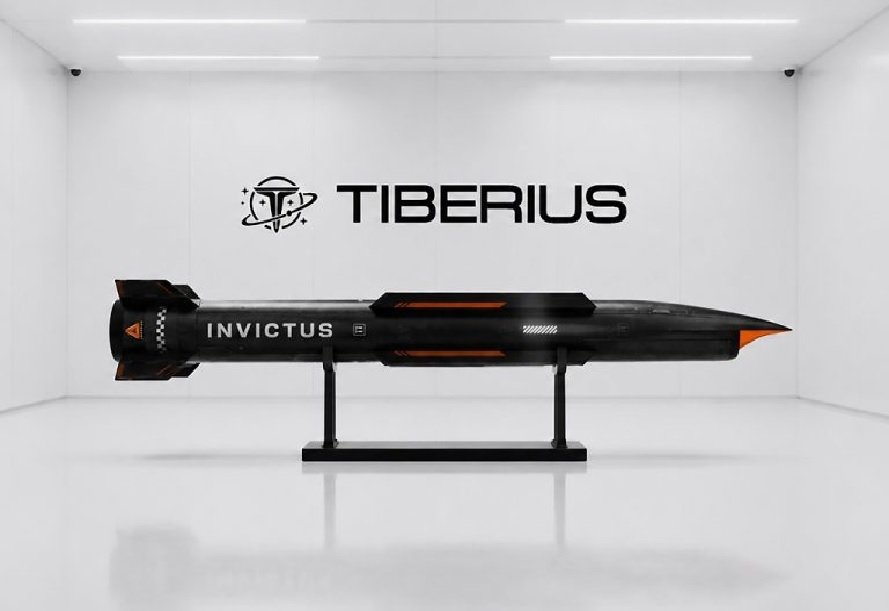
NEWPORT BEACH, California — Tiberius Aerospace has advanced its Invictus long-range precision strike system from early laboratory development into formal engineering Test & Evaluation (T&E), bringing the program closer to deployment.
The company announced on August 20 that testing will focus on the weapon’s propulsion, flight performance, guidance, platform integration and manufacturability.
Invictus-200 Capabilities
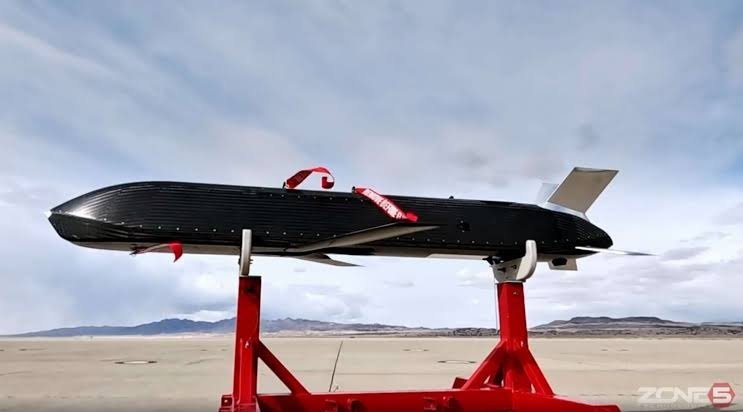
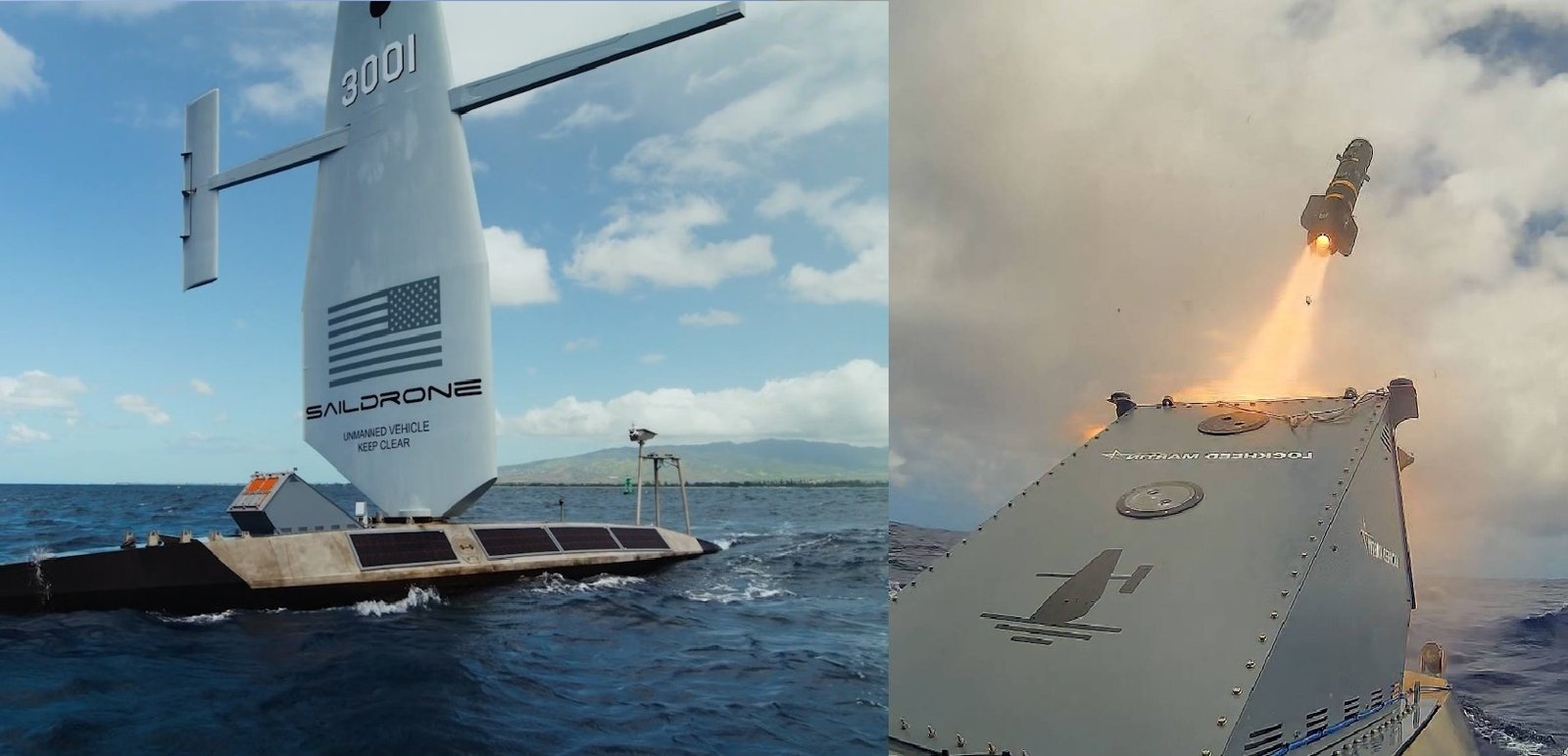
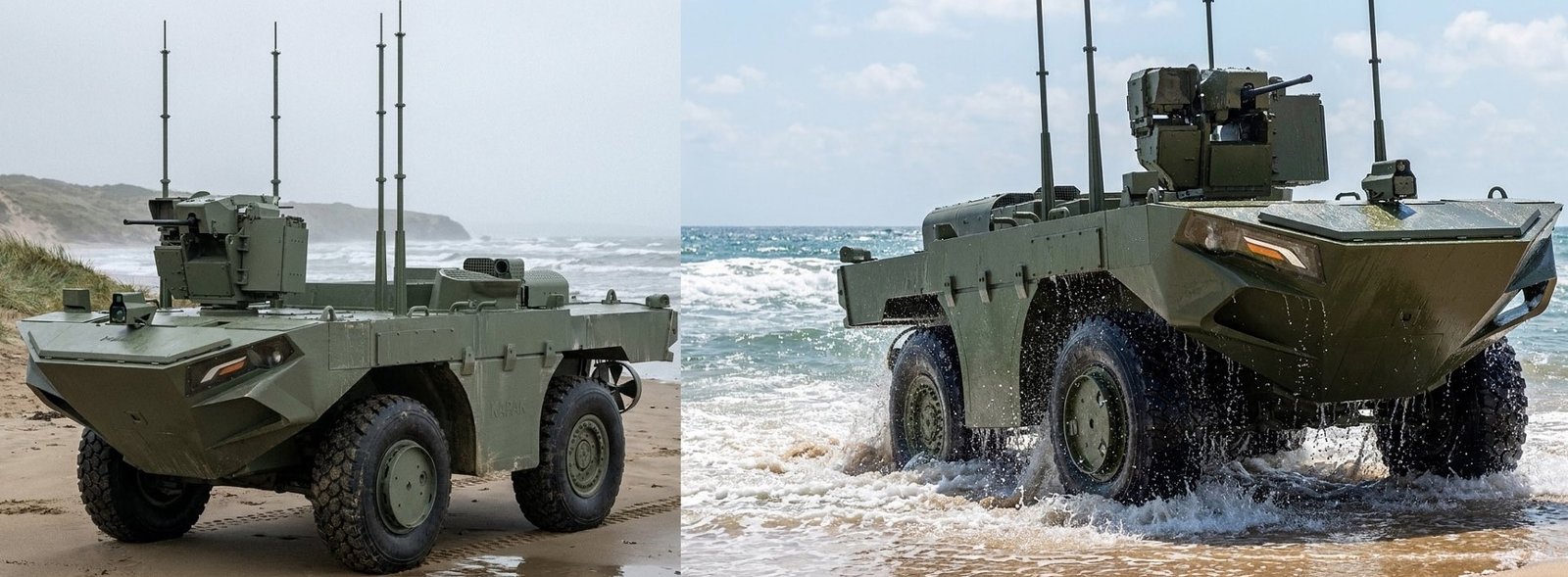
Invictus is a tube-launched, multi-mission weapon based on an open, modular architecture. It is designed for integration with multiple platforms, including autonomous vehicles operating on land and at sea and vertical launch systems such as Tiberius’ autonomous “Vault” containerized launchers.
The Invictus-200 combines an integral solid-fuel booster with a ramjet engine. Tiberius says it can reach speeds of up to Mach 3, strike targets at ranges of up to 200 kilometers, and carry a 10–15 kilogram payload.
Depending on the guidance configuration, the system is designed to achieve a 5.5-meter circular error probable (CEP).
Formal propulsion testing is already underway at Purdue University’s Zucrow Laboratories, where direct-connect tests of the Invictus ramjet engine have demonstrated reliable operation using Jet-A aviation fuel across all conditions tested so far.
Experience From Sceptre Program
The development of Invictus has been accelerated by Tiberius Aerospace’s earlier Sceptre program, a 155mm guided ramjet artillery munition.
Tiberius launched its first Sceptre munition in May 2025. In April 2026, the company successfully demonstrated liquid-fueled ramjet ignition during live-fire testing in New Mexico. The projectile survived launch forces of approximately 16,000 Gs from a standard howitzer.
The company said data and technical experience from Sceptre’s propulsion, flight performance and guidance development helped move Invictus into formal engineering testing.
Designed for Production and Future Upgrades
Tiberius is developing Invictus as Western countries face pressure to replenish long-range precision-strike inventories. The company said the U.S. Army expended virtually its entire stockpile of ATACMS and Precision Strike Missiles during a five-month conflict with Iran, while European and NATO missile inventories have also faced strain.
The company says Invictus is intended to address both capability and production requirements through an architecture designed for scalable manufacturing.
Tiberius is also using its proprietary GRAIL (Generative Real-time Artificial Intelligence Lethality) platform. The company says GRAIL uses “Cost Effect Lethality Scores” to evaluate weapons and connects program requirements with domestic and allied suppliers capable of producing components and systems at high volume.
Chad Steelberg, founder and CEO of Tiberius Aerospace, said the move into formal engineering T&E is a major step toward turning Invictus into a deployable capability. He said Invictus and Sceptre were designed from first principles for cost-effective lethality, high-volume production and an open architecture that can be upgraded without replacing the entire system.
Tiberius Aerospace is based in Newport Beach, California, with a UK entity registered in London. The company continues development of both Sceptre and Invictus through its GRAIL platform.
——— End of Article ———