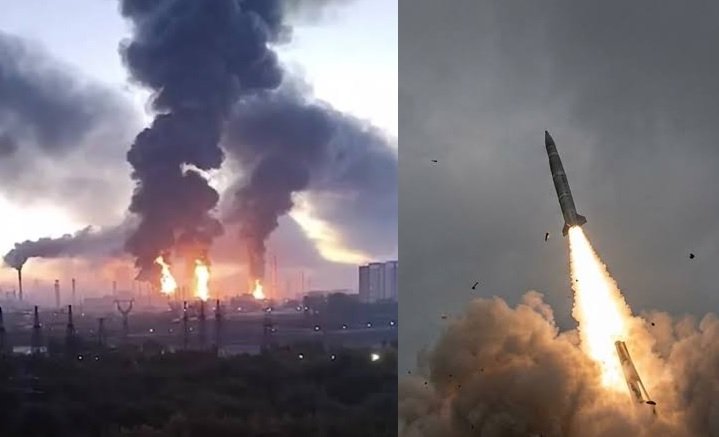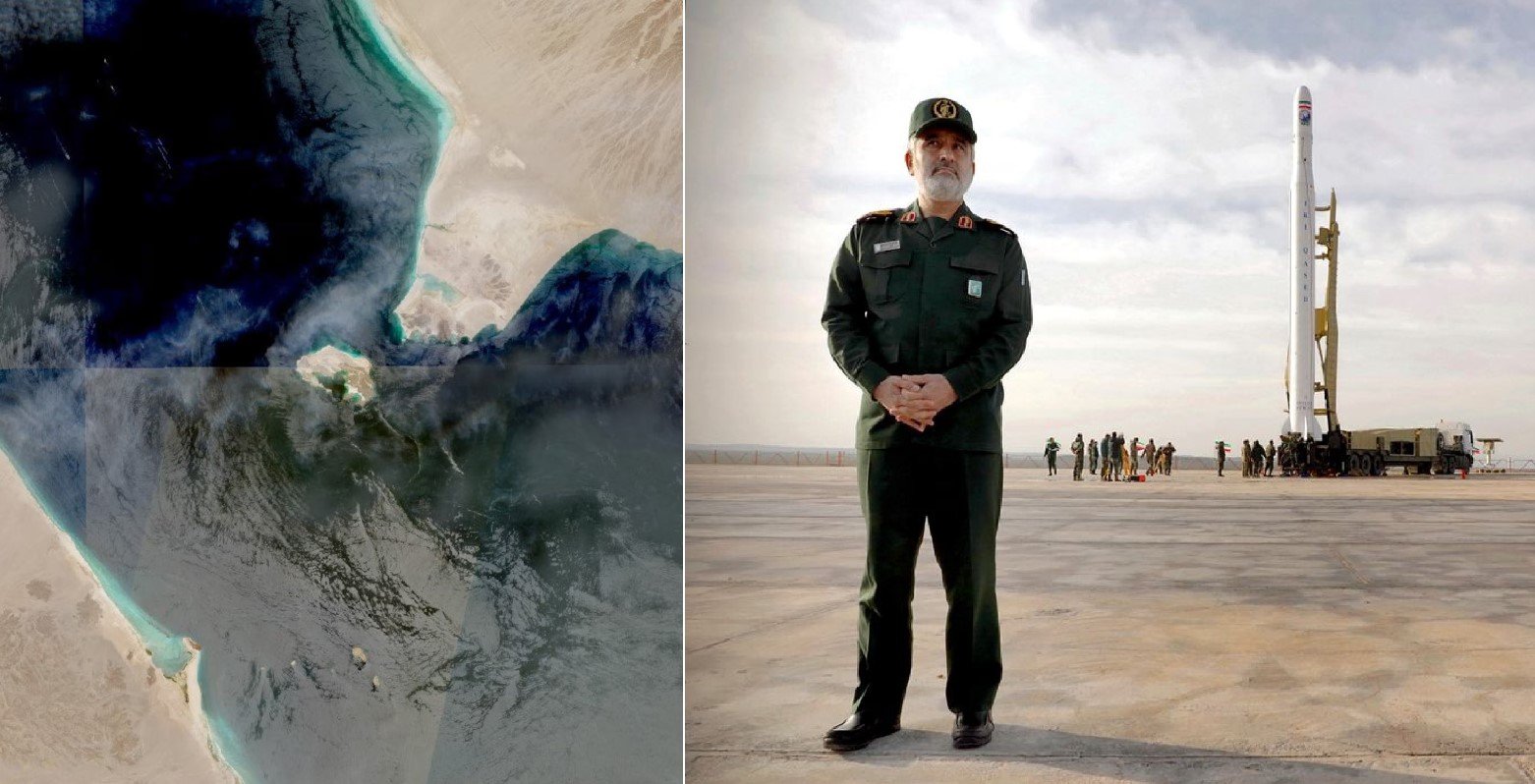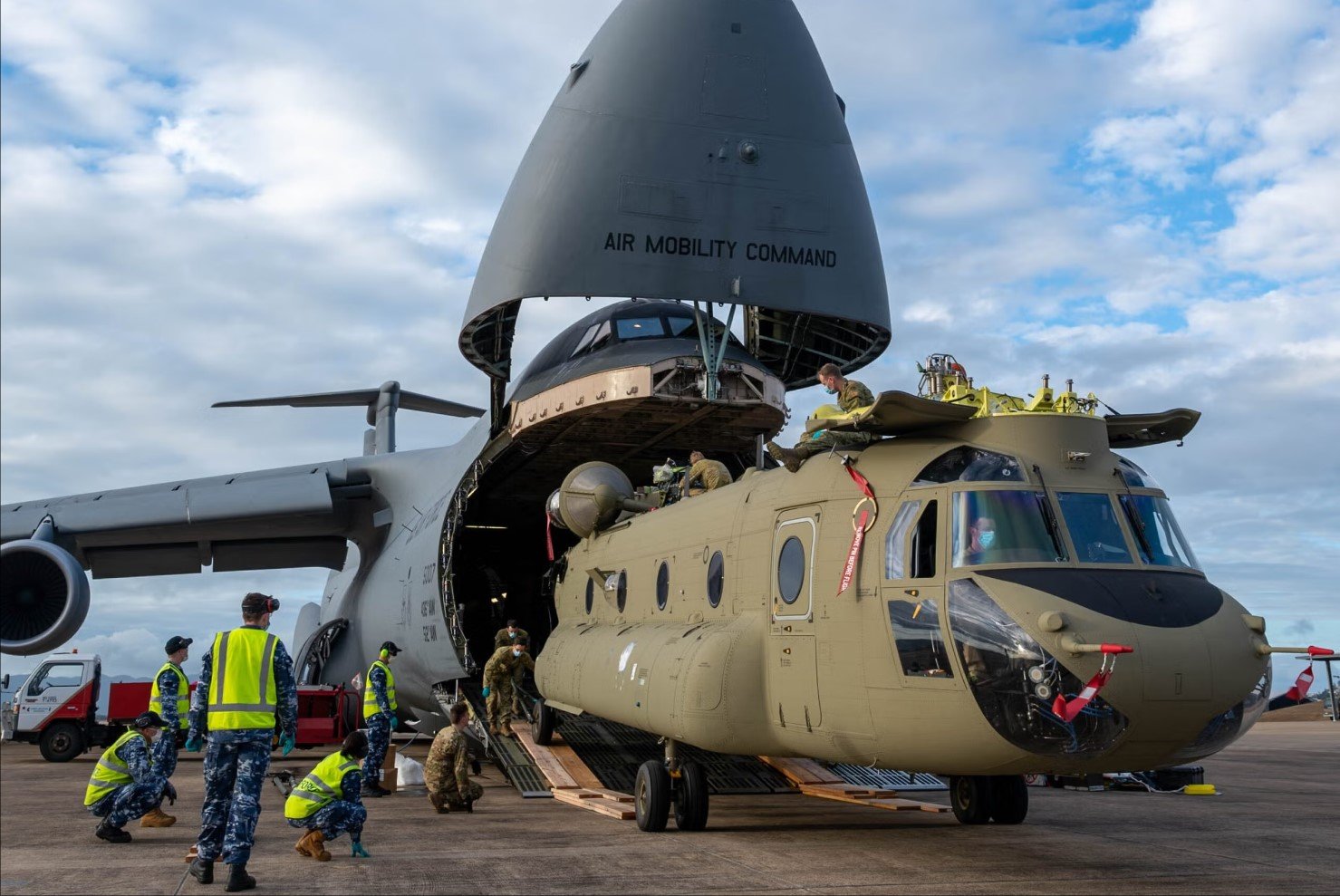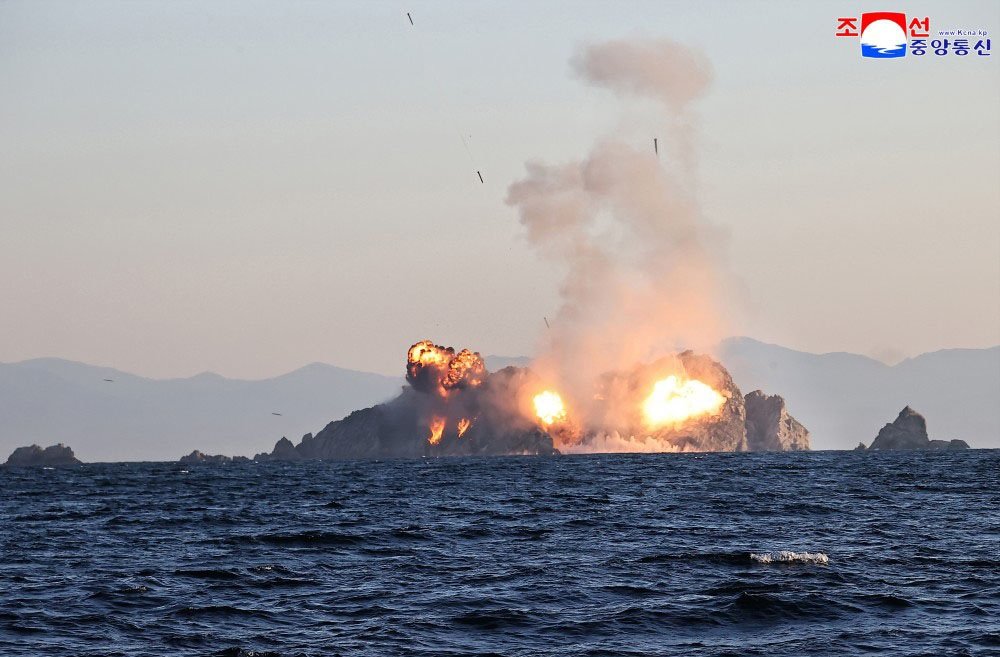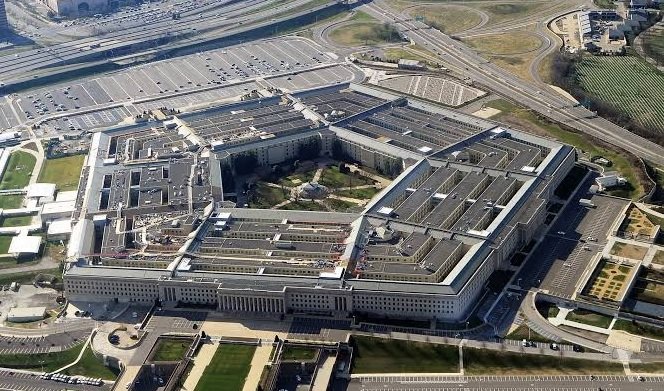
WASHINGTON — The U.S. Department of Defense is drafting a new nuclear strategy that would place greater emphasis on the possible use of shorter-range tactical nuclear weapons during regional conflicts involving China or Russia, according to officials familiar with the classified review.
The strategy, led by Undersecretary of Defense for Policy Elbridge Colby, is intended to expand the range of nuclear response options available to the U.S. president while retaining all existing strategic capabilities. Officials said the proposal does not replace current nuclear policies but seeks to strengthen regional deterrence by giving greater importance to tactical nuclear weapons.
Strategy Aims to Expand Deterrence Options
According to officials, the review is designed to provide the president with a broader set of credible nuclear response options during regional crises. Pentagon planners believe that relying only on high-yield strategic nuclear weapons, such as intercontinental ballistic missiles (ICBMs), may not always present a believable deterrent in limited regional conflicts.
The draft strategy therefore gives increased attention to lower-yield, shorter-range tactical nuclear weapons, which officials believe offer more proportionate response options while maintaining deterrence.
The proposal would leave all existing U.S. nuclear options in place and expand the role of tactical nuclear capabilities within regional defense planning.
Review Focused on Two Nuclear-Armed Competitors
The classified review comes as U.S. defense officials continue assessing how to deter both China and Russia simultaneously.
Officials have pointed to China's continued expansion of its nuclear arsenal and Russia's large inventory of non-strategic nuclear weapons as key factors behind the review.
Earlier this year, Elbridge Colby told Congress that the administration would not conduct a formal Nuclear Posture Review similar to previous administrations. Instead, he said the Pentagon was reviewing nuclear strategy to address the challenges posed by two nuclear-armed peer competitors.
A senior defense official also said the review is examining nuclear force requirements, modernization efforts, and possible additional theater nuclear weapons programs, including options based on existing stockpiles and delivery platforms.
Changing Global Nuclear Environment
The review also reflects changes in the international security environment.
In February 2026, the New START arms control treaty expired without a replacement agreement, ending the last legally binding limits on U.S. and Russian strategic nuclear forces.
At the same time, U.S. officials have highlighted developments in Russian and Chinese nuclear capabilities.
Russia has updated its military doctrine to lower the threshold for the possible use of tactical nuclear weapons during conventional conflicts and has deployed tactical nuclear weapons to neighboring Belarus.
China, meanwhile, continues expanding its nuclear triad and has deployed dual-capable intermediate-range systems, including the DF-26, which can carry either conventional or nuclear payloads across the Indo-Pacific region.
National Defense Strategy Supports Nuclear Modernization
The 2026 National Defense Strategy, released earlier this year, calls for modernizing and adapting U.S. nuclear forces with an emphasis on deterrence and escalation management.
Defense officials have also identified the nuclear-armed sea-launched cruise missile as one option to strengthen regional deterrence without relying solely on long-range strategic nuclear systems.
Officials have stressed that maintaining and modernizing the U.S. nuclear triad remains a top defense priority.
Debate Over the Proposed Strategy
The draft strategy has generated debate within Washington's national security community.
Supporters argue that expanding tactical nuclear options would improve the credibility of U.S. deterrence by providing response choices that are more appropriate for limited regional conflicts. They believe a wider range of options would reduce the likelihood that potential adversaries miscalculate U.S. intentions during a crisis.
Critics, however, caution that increasing the role of tactical nuclear weapons could lower the perceived threshold for nuclear use. They argue that integrating such weapons more deeply into regional military planning could increase escalation risks and shift attention away from long-range strategic deterrence.
Strategy Still Under Review
The nuclear strategy review remains classified, and the Pentagon has not announced when it will be finalized or whether it will lead to changes in U.S. nuclear doctrine, force posture, or future weapons programs.
Officials have stated that the review is part of broader efforts to ensure the United States maintains a credible and effective nuclear deterrent while responding to evolving security challenges involving China and Russia.
Source : nbcnews
——— End of Article ———