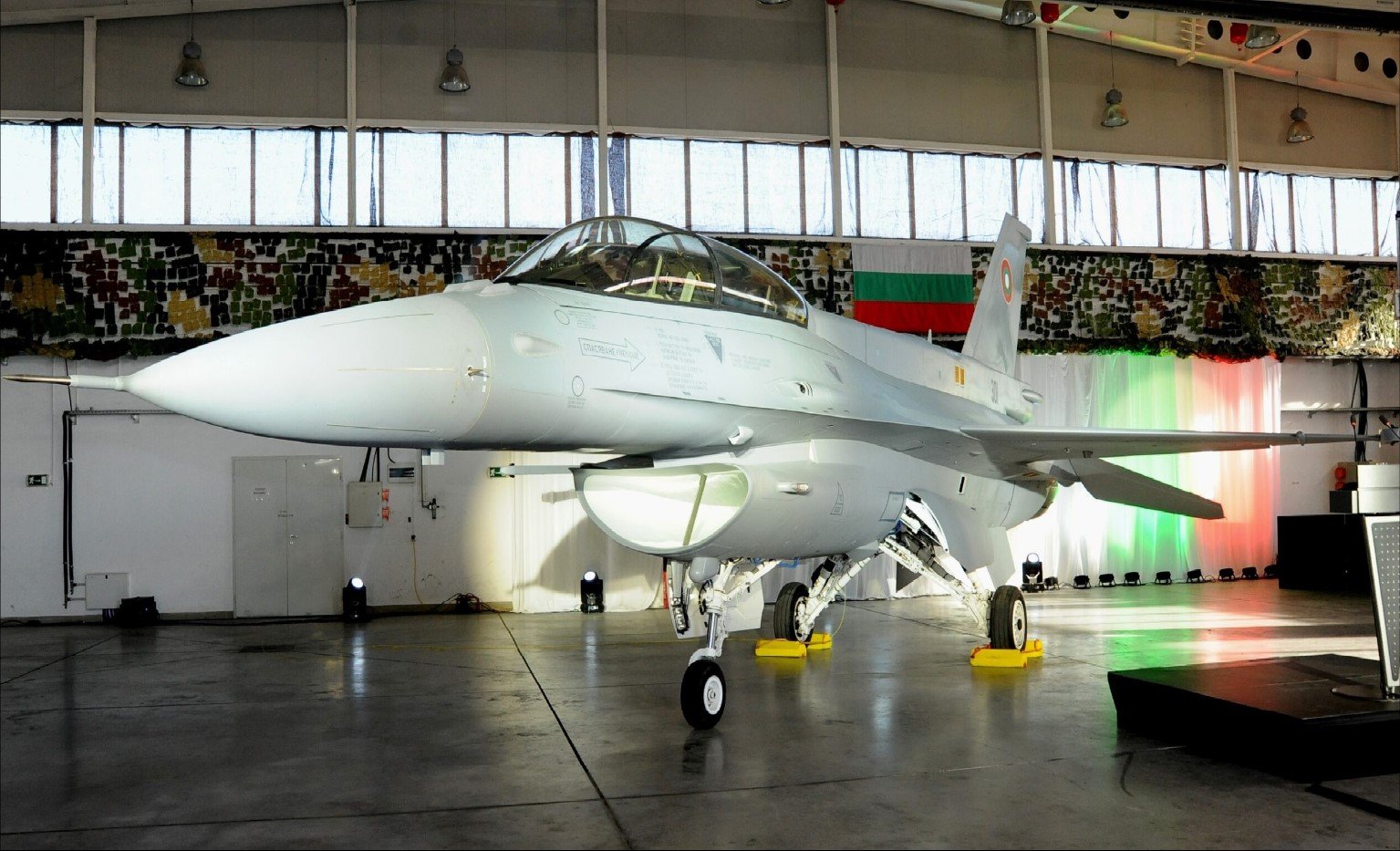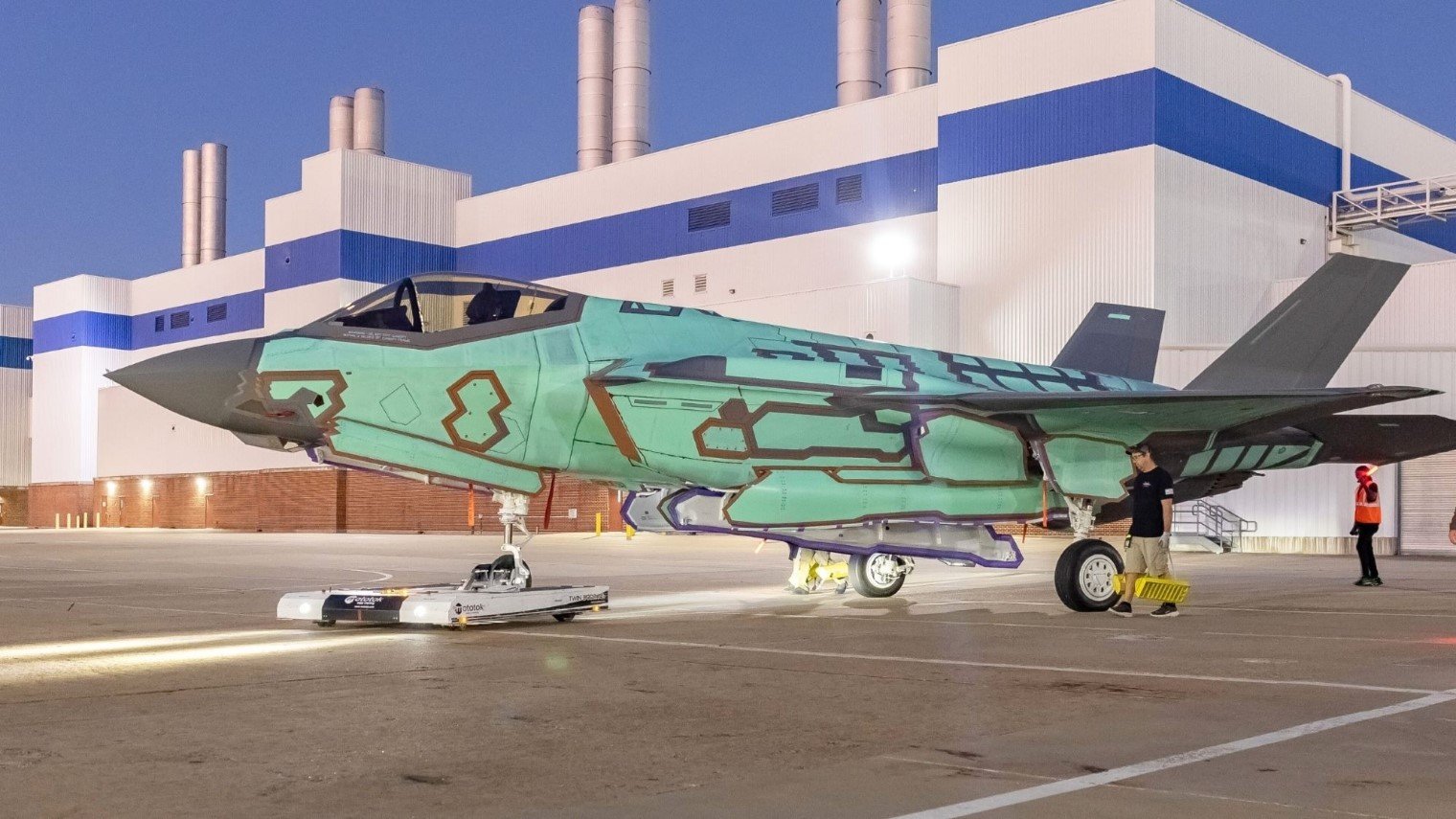
FORT WORTH, Texas — Lockheed Martin has completed the final assembly of Germany’s first F-35A Lightning II, marking another step in Germany’s plan to introduce the fifth-generation fighter into Luftwaffe service.
The aircraft, designated MG-01, has moved from final assembly into the Aircraft Final Finishes stage at Lockheed Martin’s Fort Worth, Texas, facility. During this phase, the aircraft will receive its final exterior finish, including its specialized low-observable coating. The official rollout is scheduled for September 18, 2026.
The Pratt & Whitney F135-PW-100 engine was installed on MG-01 in June, completing another major stage of the aircraft’s production. Lockheed Martin previously said the aircraft would receive its paint and final finishes, including its stealth coating, before first flight and the official rollout.
Lockheed Martin also highlighted the milestone in a social media statement, saying: “Another milestone for Germany’s first F-35. Following final assembly, the aircraft moved to Aircraft Final Finishes, bringing it one step closer to supporting the Luftwaffe and Germany’s next generation of air power.”
Eight Aircraft Form the Initial Batch
Germany has ordered 35 F-35A Lightning II fighters. Seven additional German aircraft are currently moving through production at the Fort Worth facility, making MG-01 part of the first eight aircraft being produced for Germany.
The first eight German F-35As are scheduled to remain in the United States initially for training. They will be delivered to Ebbing Air National Guard Base in Fort Smith, Arkansas, where German pilots and maintenance personnel will receive F-35 training.
Germany has already established a dedicated F-35 training presence in the United States. The Bundeswehr says German personnel at Ebbing are involved in F-35A pilot training, while technical and logistical personnel also receive training in the United States.
German personnel will train alongside personnel from other F-35 partner countries using the Arkansas training facility.
Production of Germany’s F-35A Fleet
Germany formally approved the purchase of 35 F-35As through the U.S. Foreign Military Sales process in December 2022. The German government signed the Letter of Acceptance for the aircraft on December 14, 2022.
Production of the first German F-35 began with major assembly work at Lockheed Martin’s Marietta, Georgia, facility in December 2024 before the aircraft moved through the production process at Fort Worth. MG-01 entered final assembly in March 2026.
The German Defense Ministry currently plans to receive the first F-35As at Büchel Air Base beginning in 2027, while the Tornado fleet is scheduled to be retired by 2030.
The current program schedule calls for deliveries to continue through 2029, with initial operating capability planned for 2029 and full operating capability planned for 2030.
Büchel Base Being Upgraded
Büchel Air Base is undergoing extensive infrastructure work to prepare for the F-35A. The Bundeswehr is constructing an F-35 campus that includes facilities for aircraft maintenance, washing, hangaring, spare-parts storage and flight operations.
The first groundbreaking for the F-35 infrastructure project took place on October 23, 2024, and the Bundeswehr says the campus is planned to be ready by November 2026.
The infrastructure upgrades are required because Büchel was previously configured for the Panavia Tornado. The new facilities are being developed to support the F-35A and its operational and maintenance requirements.
Replacing the Tornado in Germany’s NATO Role
The F-35A is being introduced as the replacement for Germany’s Panavia Tornado IDS fleet. One of the major reasons for the acquisition is Germany’s continued participation in NATO’s nuclear sharing arrangement.
Germany’s F-35A fleet is intended to take over the Tornado’s role in this mission. The aircraft will be configured to carry and employ U.S.-supplied B61 nuclear bombs for Germany’s NATO nuclear-sharing mission.
The F-35A will also introduce fifth-generation capabilities to the Luftwaffe, including reduced radar detectability, sensor information fusion and networking with other aircraft. The Bundeswehr says these capabilities will improve the aircraft’s ability to operate within multinational NATO formations.
With MG-01 now moving beyond final assembly, Germany’s first F-35A is approaching its planned rollout in September. The aircraft will then remain in the United States for the initial training phase before the first German F-35As are transferred to Büchel from 2027.
——— End of Article ———