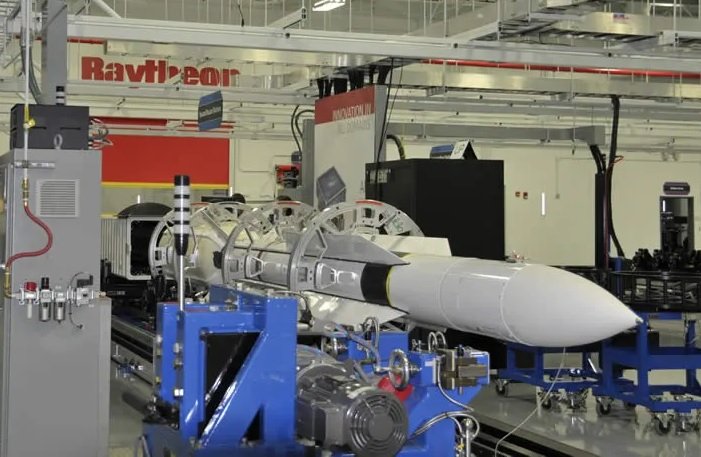
WASHINGTON — RTX’s Raytheon business has received a noncompetitive production contract valued at up to $745.4 million to manufacture and assemble Standard Missile-3 (SM-3) Block IIA ballistic missile interceptors for the United States and Japan.
The contract was announced Aug. 7 by the U.S. Department of War, acting through the Missile Defense Agency (MDA). It covers requirements for the U.S. government and Japan’s Ministry of Defense through Foreign Military Sales arrangements.
The initial obligations total about $553.2 million, including $275.6 million in U.S. fiscal 2026 procurement funds and approximately $277.6 million in funding from Japan’s Ministry of Defense.
Work under the initial funding is scheduled to continue through February 2031. Manufacturing and related engineering work will be performed at RTX facilities in Tucson, Arizona, and Huntsville, Alabama, with an estimated completion date of Feb. 28, 2031.
SM-3 Block IIA
The SM-3 Block IIA is a ballistic missile interceptor jointly developed by the United States and Japan. It is designed to engage ballistic missile threats outside the Earth's atmosphere during the midcourse phase of flight.
The interceptor uses a three-stage solid-fuel rocket propulsion system and a kinetic warhead. Rather than using an explosive charge, the interceptor destroys its target through direct physical impact.
Japan has been closely involved in the development of the Block IIA, including work on the missile's third-stage rocket motor and nose cone.
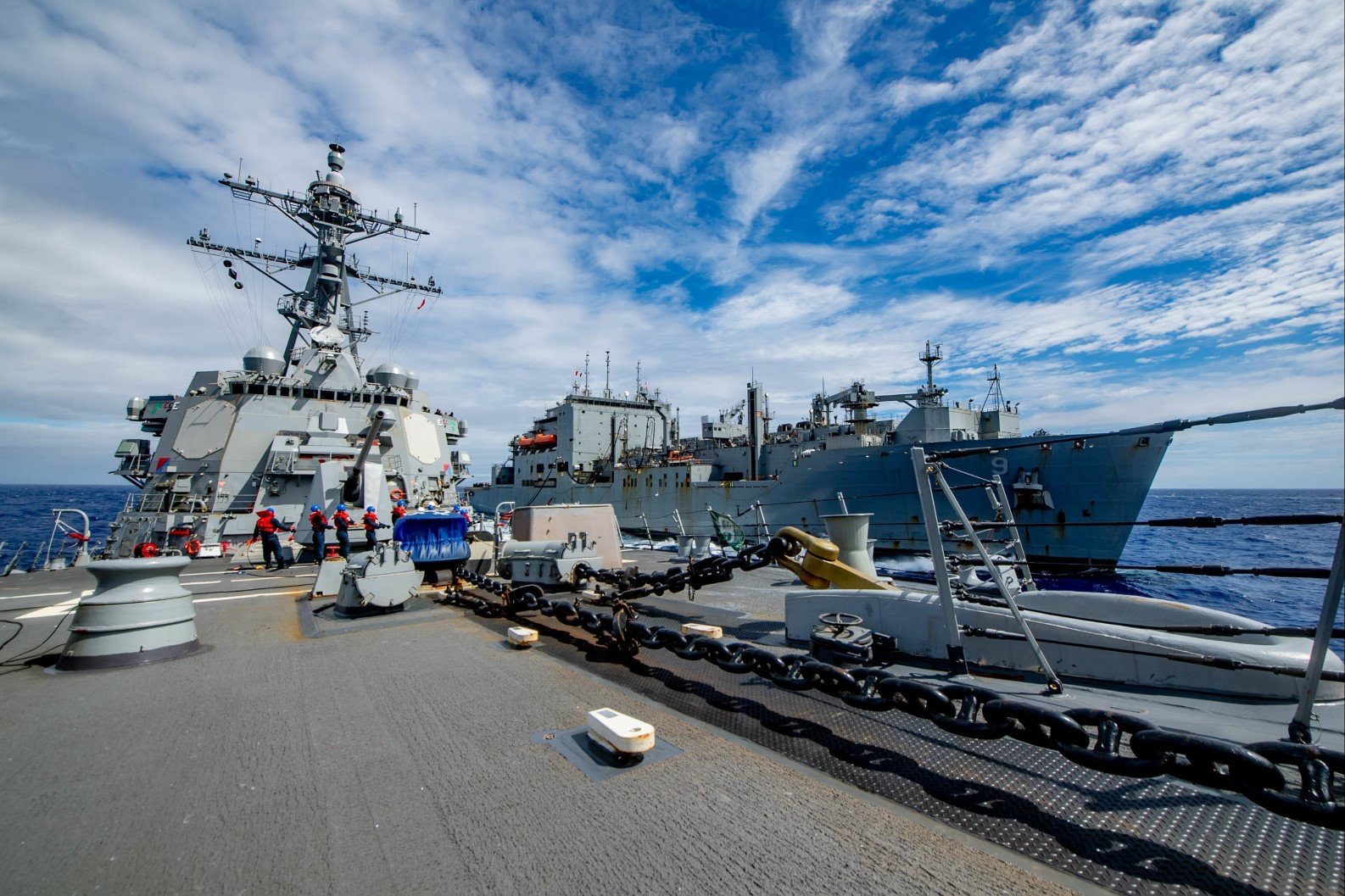
The interceptor is launched from Mk 41 vertical launch systems installed aboard Aegis-equipped U.S. Navy and Japan Maritime Self-Defense Force warships, as well as at certain Aegis Ashore land-based missile-defense sites.
Recent Operational Use
The SM-3 family was used operationally during the April 2024 Iranian missile and drone attack on Israel. U.S. Navy Arleigh Burke-class destroyers USS Arleigh Burke and USS Carney, operating in the eastern Mediterranean, launched SM-3 interceptors during the operation.
Defense officials reported that at least six Iranian ballistic missiles were intercepted. Some accounts identified the Block IIA variant specifically, although public reporting has not provided complete variant information for every interceptor used.
The SM-3 family has also been associated with later U.S. ballistic missile interceptions involving operations near Israel and the eastern Mediterranean in 2026. However, the U.S. military has not publicly confirmed the specific SM-3 variant involved in every engagement.
Continued U.S.-Japan Production
The latest award supports continued production of SM-3 Block IIA interceptors for both countries. It adds to previous U.S. procurement efforts aimed at maintaining ballistic missile defense capacity and supporting the jointly developed interceptor program.
——— End of Article ———