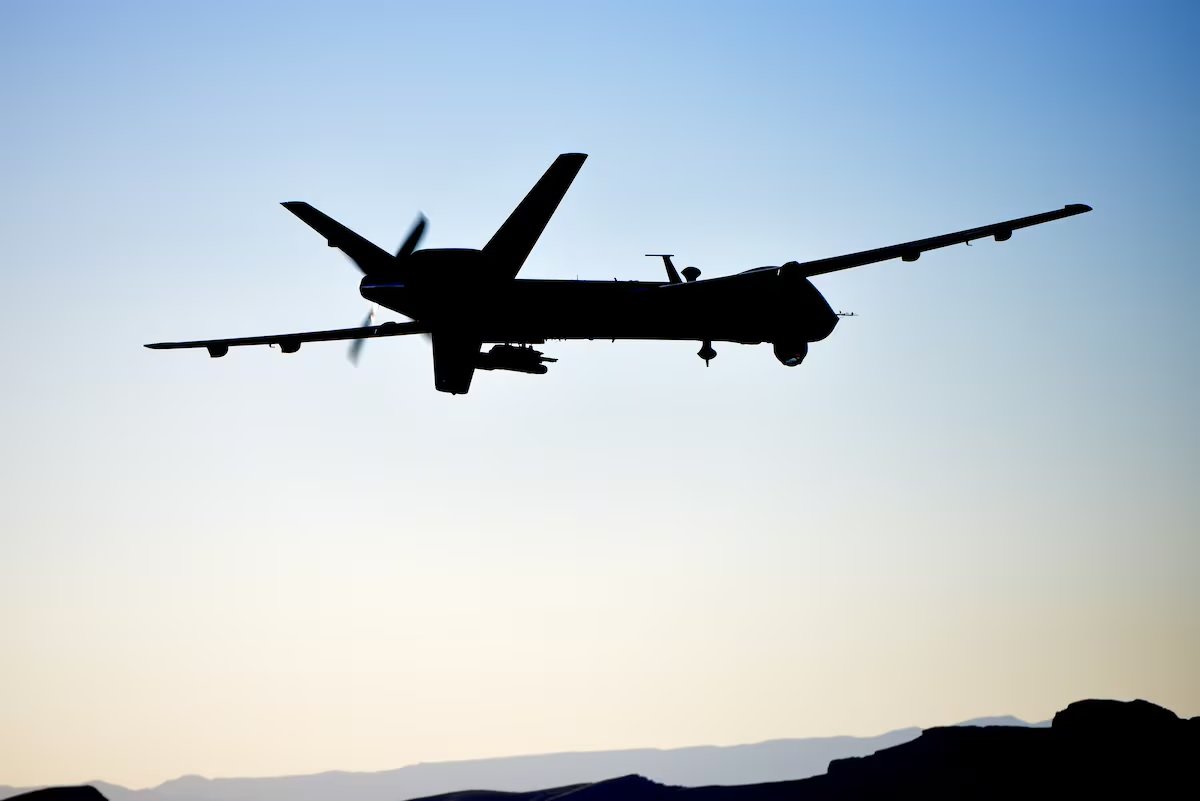
WASHINGTON — The U.S. Air Force is developing a cheaper and more adaptable successor to the General Atomics MQ-9A Reaper following the drone’s extensive use and losses during Operation Epic Fury against Iran in 2026. The service wants a modular unmanned aircraft that can be produced in larger numbers and operate in contested airspace where some losses are expected.
Reaper's Role in Operation Epic Fury
Air Force Chief of Staff Gen. Kenneth Wilsbach described the MQ-9A as the “most valuable player” of the operation during congressional testimony in May. He said the Reaper conducted more strikes than any other U.S. platform, although the exact number remains classified. U.S. forces struck more than 13,000 targets during roughly six weeks of fighting.
The operation also exposed the Reaper’s vulnerability. Reports based on official and congressional sources indicated that around two dozen to nearly 30 MQ-9s were destroyed during the initial phase, with later figures showing higher cumulative losses. Some were destroyed by air defenses and others were hit on the ground at regional bases.
The fleet reportedly fell from about 180 aircraft before the conflict to roughly 135. General Atomics ended MQ-9A production in 2025. A fully equipped MQ-9A can cost as much as $50 million depending on its sensor suite.
Massed Modular Aircraft Program
In July 2026, the Air Force partnered with the Defense Innovation Unit (DIU) on the Massed Modular Aircraft (MMA) initiative. The program seeks an unmanned aircraft that can be manufactured rapidly, deployed in larger numbers and treated as more attritable than traditional high-value systems.
Air Force Chief Modernization Officer Lt. Gen. Christopher Niemi said the MQ-9A remains effective in the Middle East, but expensive sensor packages can significantly increase its cost. The MMA would allow equipment to be removed or changed for high-threat missions, reducing the financial impact of losses.
The DIU solicitation requires the aircraft to carry at least 2,800 pounds of payload, have a 2,300-nautical-mile combat radius without aerial refueling, and self-deploy at least 8,000 nautical miles one way. It must reach at least 200 knots, or about 230 mph, and support full-scale prototype flight testing within 21 months of contract award.
Other requirements include allowing one operator to control multiple aircraft, resilient hybrid satellite and mesh communications, operation from runways of 6,000 feet or shorter, and sufficient power and cooling for rapid payload changes.
The Air Force is targeting Initial Operating Capability in fiscal year 2031, defined as the delivery of 20 mission-ready aircraft to an operational unit.
Designed for Attrition and Modularity
The MMA is intended to perform intelligence, surveillance and strike missions while also supporting larger formations of unmanned aircraft. The Air Force is considering missions including intelligence collection, weapons employment, electronic warfare and communications relay.
The DIU said larger numbers of less expensive aircraft would allow the service to accept combat losses and place greater demands on adversary air defenses. The concept is based on the view that relying on low-density aircraft costing at least $30 million is difficult against layered defenses and lower-cost anti-aircraft systems.
Modularity is central to the design. Sensors, weapons, fuel containers and other payloads should be rapidly changed according to the mission. The aircraft is also expected to use the Autonomy Government Reference Architecture employed by the Collaborative Combat Aircraft program to simplify integration of autonomy software.
Development and Remaining MQ-9 Fleet
No specific MMA unit-cost target has been finalized. The Air Force will assess industry proposals and operational requirements to determine a price that provides the required capability while remaining affordable enough to tolerate attrition.
A concept-refinement phase is scheduled for the first quarter of fiscal year 2027, with multiple traditional and nontraditional defense companies expected to compete. A separate DIU request for information on low-cost attritable unmanned ISR systems also received strong industry interest.
The MQ-9A will remain in service during development of the replacement. Col. John Dayton, the portfolio acquisition executive for intelligence, surveillance, reconnaissance and special operations forces, said the Air Force is repairing available Reapers and procuring a small number of remaining capital assets from General Atomics to restore capacity.
The service has also examined General Atomics’ larger MQ-9B, which offers greater range and payload capacity, but the MMA effort is focused on a separate lower-cost aircraft.
Source : nationaldefensemagazine
——— End of Article ———