WARSAW, Poland — Poland’s Ministry of National Defence said on Wednesday, August 19, that the Polish Armed Forces maintain air and missile defence capabilities to protect designated targets, including cities, following public criticism that Polish urban areas lack adequate protection.
The ministry said Poland does not permanently deploy missile batteries around every major city. Instead, its air-defence system is integrated, with assets deployed and used according to the current situation, threat assessment and defence priorities.
Air-defence operations are currently particularly intensive in eastern and central Poland, involving several Polish systems and allied forces. Protection can cover key administrative and economic centres, critical infrastructure and concentrations of Polish armed forces. The military can also increase readiness levels or reposition assets depending on the nature and severity of a threat. Current deployment locations, readiness levels and operational plans were not disclosed.
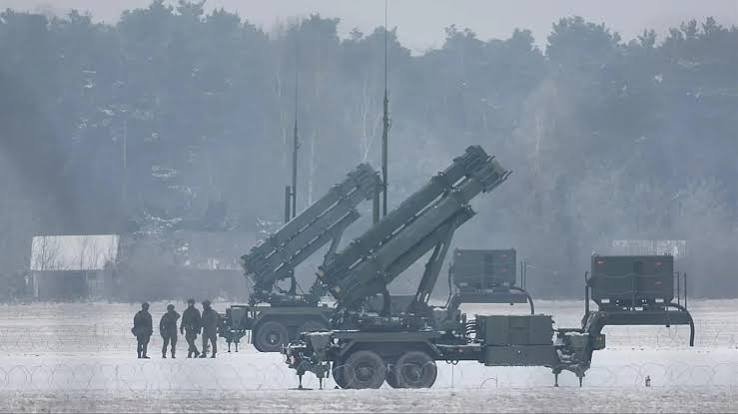
Patriot and Narew systems
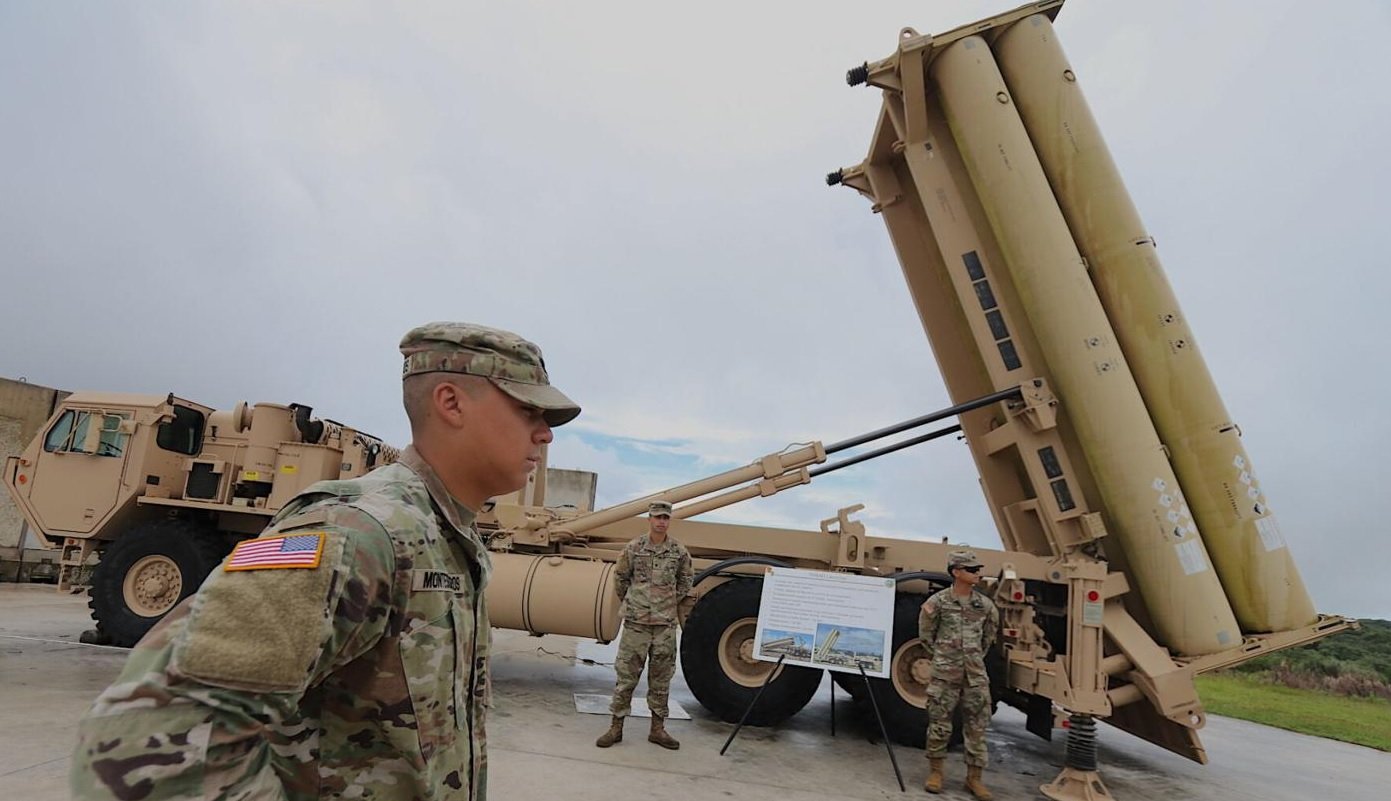
Poland’s main medium-range air-defence capability is provided through the Wisła programme, which uses the U.S.-made Patriot system integrated with NATO’s Integrated Battle Command System (IBCS).
The first Patriot battery, operated by the 37th Air Defense Missile Squadron of the 3rd Warsaw Air Defense Missile Brigade in Sochaczew, achieved initial operational capability in December 2024 and full operational capability in December 2025. Poland plans to field eight Patriot batteries under the Wisła programme, with further deliveries scheduled between 2026 and 2029.
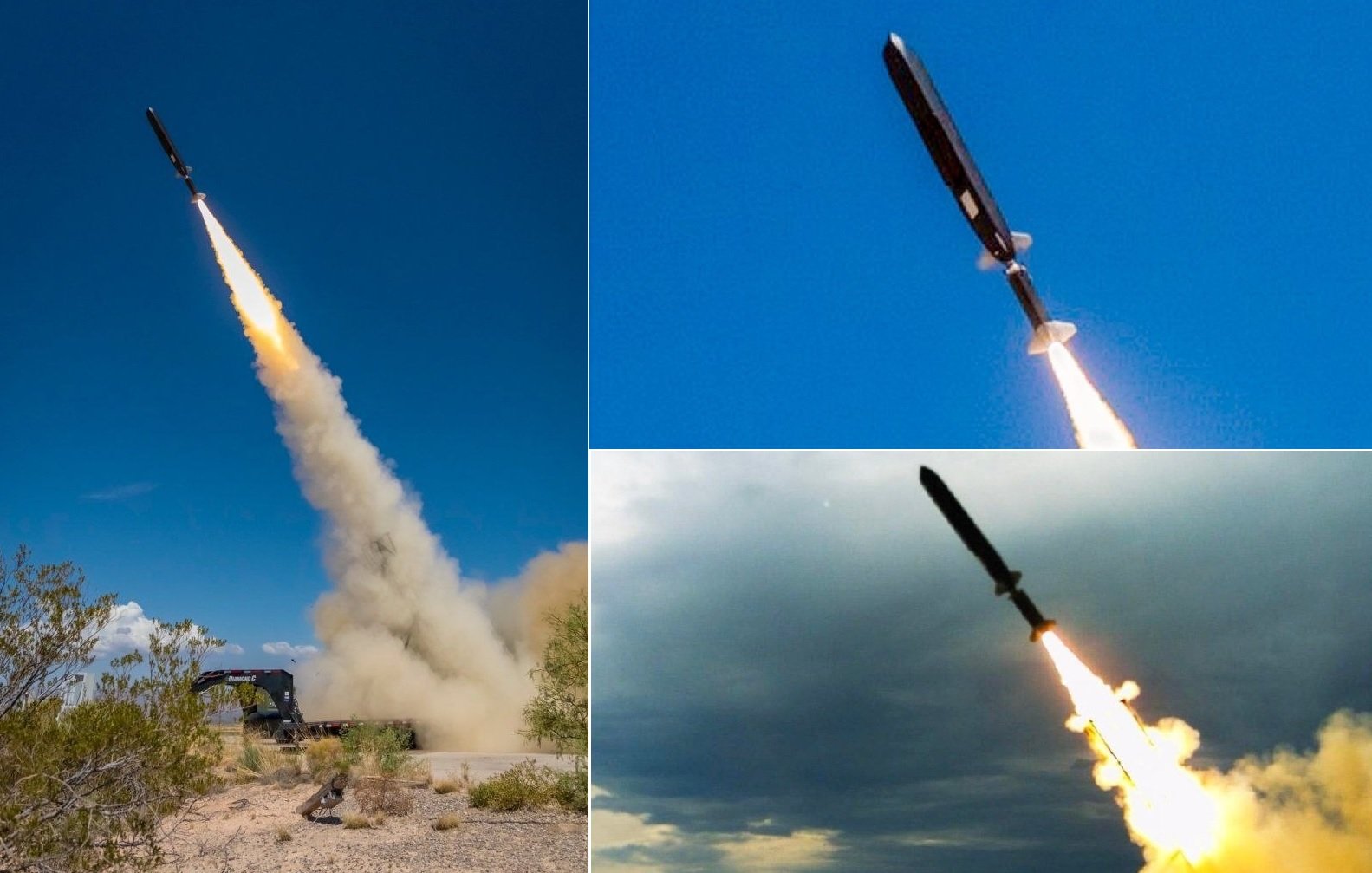
The shorter-range Narew system provides another layer of defence against drones, aircraft, helicopters and other low-altitude threats around military bases, troop concentrations and critical sites. Interim Mała Narew units using CAMM missiles are already in service, while the full Narew configuration using CAMM-ER missiles, with a stated range of up to about 45 kilometres and planned IBCS integration, is expected to expand to 23 batteries. Poland’s layered network also includes very-short-range systems such as Pilica+.
Dispute over Patriot missiles sent to Ukraine
The ministry’s statement follows weeks of political debate over Poland’s transfer of Patriot interceptor missiles to Ukraine.
On 7 July 2026, Poland published a full list of military donations to Ukraine since 2022, confirming the Patriot transfer for the first time. Prime Minister Donald Tusk later said that five PAC-3 missiles were transferred to Ukraine in spring 2026 as part of a broader effort coordinated with NATO and the United States.
Former Defence Minister Mariusz Błaszczak accused the government of putting Polish skies, cities and families at risk by transferring missiles that Poland could need for its own defence.
Deputy Defence Minister Cezary Tomczyk rejected the criticism, arguing that intercepting threats over Ukraine can also contribute to Poland’s security because threats approaching Poland from the east would typically first pass through Ukrainian airspace.
Poland has distinguished the transfer of individual interceptor missiles from the relocation of complete Patriot batteries. In March 2026, Defence Minister Władysław Kosiniak-Kamysz rejected a U.S. request to redeploy a Polish Patriot battery and PAC-3 missiles in connection with operations related to the conflict involving the United States, Israel and Iran. He said Poland’s Patriot batteries are intended to protect Polish skies and NATO’s eastern flank.
The Defence Ministry’s latest statement did not identify the sources of the criticism or disclose the current positions and readiness of individual air-defence units, but reaffirmed that Poland can adjust its air-defence deployment according to the threat and the country’s defence priorities.
——— End of Article ———