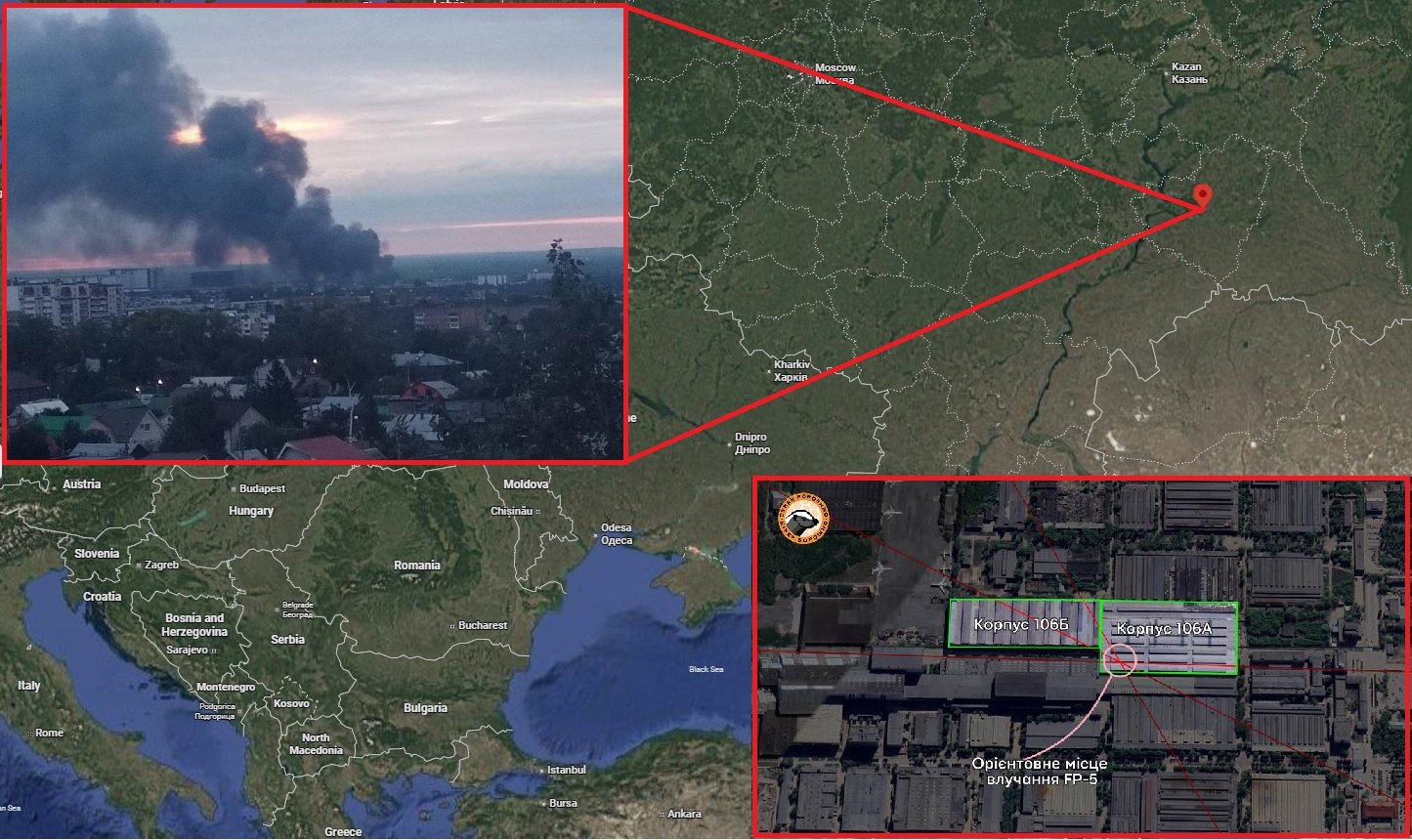
Samara, Russia — Ukrainian forces carried out a long-range missile strike against an industrial facility in Russia’s Samara region overnight into August 15, with Ukrainian officials later identifying the target as the Progress Rocket and Space Center in Samara.
The attack triggered a regional air raid alert, while residents reported multiple explosions and smoke across the city. Samara Region Governor Vyacheslav Fedorishchev confirmed that an industrial enterprise had been targeted during what he described as a massed missile attack.
Fedorishchev said emergency services were deployed and an operational headquarters was established at the site. He initially said authorities were still determining whether there were casualties. Later, he reported that two people were injured and that there were no deaths.
Samara Mayor Ivan Noskov said the attack caused localized damage to industrial infrastructure. Russian officials also said that air defenses intercepted part of the incoming attack, but they did not specify the number of missiles involved or identify the missile system that reached the target.
Progress Rocket and Space Center Identified as Target
Ukrainian President Volodymyr Zelenskyy said Ukrainian forces had struck the Progress Center in Samara, describing it as a key enterprise under Russia’s Roscosmos space agency involved in rocket technology and electronics production.
The General Staff of the Armed Forces of Ukraine confirmed a direct hit on the Progress Rocket and Space Center and said a fire broke out on the facility’s grounds. Ukrainian defense company Fire Point, which produces the Flamingo missile, also confirmed that the Progress center was struck.
The facility was identified as the Progress Rocket and Space Center, formerly known as TsSKB-Progress. The company has produced Soviet and Russian launch vehicles since the 1950s, including the R-7-derived rocket used to launch Yuri Gagarin into orbit in 1961.
Progress is the only Russian facility that performs series production of the Soyuz-2 family of launch vehicles. These rockets are used for crewed and uncrewed missions and for launching military and commercial satellites.
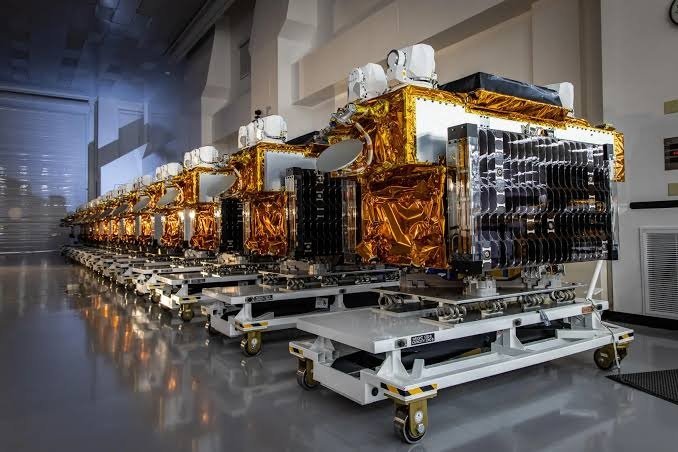
The facility also produces electro-optical reconnaissance and Earth-observation satellites.
Building 106A Identified by Open-Source Analysis
The Ukrainian open-source intelligence group CyberBoroshno assessed that the primary impact occurred at Building 106A at the Progress facility, giving the coordinates as 53.217623, 50.303163.
Ukrainian commentator Oleh Ponomar reported the same assessment based on CyberBoroshno’s GEOINT analysis. However, neither the Ukrainian military nor Progress had publicly confirmed the specific building at the time of reporting. The identification therefore remains based on the open-source imagery assessment.
According to CyberBoroshno, Building 106A is part of the production complex for the Soyuz launch vehicle family. The building operates as a cleanroom where onboard electrical systems, instruments and circuit boards are installed.
The work includes the rocket’s guidance and control systems, cable networks and instrument compartment. These components are installed after the rocket’s airframe and fuel tanks have been produced but before the vehicle is completed.
A neighboring structure, Building 106B, is used for the final assembly of completed rockets and may also have been damaged in the strike.
The nearby Aviakor aircraft plant, which repairs and services Tu-95MS strategic bombers, is also located in the same industrial area.
Potential Impact on Production
CyberBoroshno assessed that damage involving fire and firefighting water inside a cleanroom could require a longer recovery period than conventional industrial repairs.
According to the group, restoring such a facility would involve reclassifying cleanroom zones, recertifying manufacturing processes and testing for airborne particulate contamination. CyberBoroshno estimated that this type of recovery could take months rather than weeks.
The group also said that electronics used in Soyuz rockets depend on imported components affected by international export restrictions, which could complicate efforts to replace damaged equipment.
The broader impact on Progress production remains unclear, and the full extent of the damage has not been independently established.
Flamingo Missile Reportedly Used
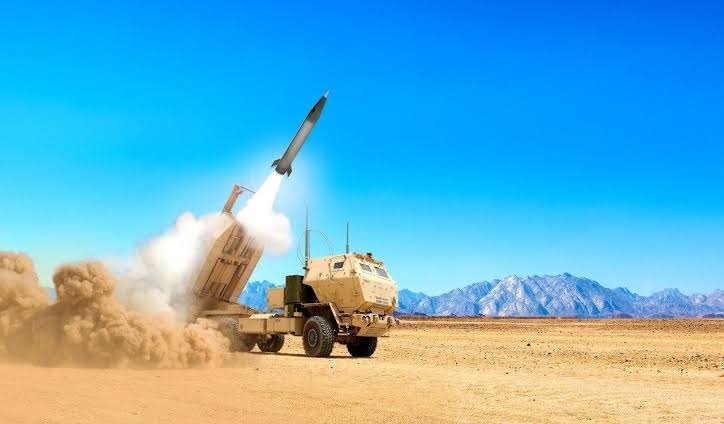
Ukraine’s Fire Point confirmed that its FP-5 Flamingo cruise missile was used in the operation. Fire Point chief designer and co-founder Denys Shtilerman released video of a missile launch on social media and linked it to the strike on the Progress facility.
The FP-5 Flamingo is a ground-launched cruise missile with a published range of up to 3,000 kilometers (1,860 miles) and a reported warhead weight of approximately 1,000 to 1,150 kilograms.
The missile is powered by a turbofan engine and uses satellite navigation. Ukraine first used the system in combat in August 2025, according to Ukrainian officials at the time.
Ukrainian President Zelenskyy said the Progress facility was approximately 900 kilometers from the Ukrainian border.
CyberBoroshno assessed that the Samara strike most likely involved an FP-5 Flamingo missile. The group has previously attributed other strikes to the same missile, including attacks on the VNIIR-Progress electronics plant in Cheboksary and the Antipinsky oil refinery in Tyumen in July.
Progress and Russian Military Satellites
The Progress facility has significance beyond launch-vehicle production because Soyuz-2 rockets produced there are used to place Russian military and commercial satellites into orbit.
CyberBoroshno said the rockets support Russian military satellite systems including the Liana signals intelligence and targeting network, as well as the Persona and Razdan optical reconnaissance satellites.
Soyuz-2 rockets have also been used to launch satellites for Russia’s Rassvet broadband satellite constellation, operated by Bureau 1440. Public launch records cited in the assessment show Rassvet satellites launched aboard Soyuz-2.1b rockets from the Vostochny and Plesetsk cosmodromes.
Strike on Savasleyka Airfield
The Samara operation was part of a broader series of Ukrainian strikes against Russian military and industrial targets.
Ukrainian forces also struck Savasleyka airfield in Russia’s Nizhny Novgorod region during the same night. The airbase is known to station MiG-31K aircraft, which are used to carry Kh-47M2 Kinzhal aeroballistic missiles.
The Ukrainian General Staff acknowledged the strikes and said operations against Russian military and industrial sites were continuing.
The full scale of the damage at the Progress Rocket and Space Center remains under assessment. Russian officials have described localized damage, while Ukrainian authorities and open-source analysts have reported a direct hit and fire at the facility.
——— End of Article ———