ODESA, Ukraine — Russian forces have deployed a modified version of the Geran-series one-way attack drone, known as the Seeker variant, featuring upgraded optical targeting, autonomous terminal guidance, and mesh-network communication systems. The new configuration is designed to engage high-value and dynamic targets, expanding the capabilities of the baseline Geran-2, the Russian-produced version of the Iranian Shahed-136.
Information on the upgraded drone comes from the examination of a Seeker-equipped Geran-2 recovered near Odesa, statements by Ukrainian specialists, and open-source imagery analyzed through mid-to-late July 2026.
According to the recovered airframe, the Seeker variant incorporates a multi-sensor package that enables operators to identify and engage targets with greater precision than earlier versions, which primarily relied on pre-programmed flight paths and fixed target coordinates.
Dual-Camera Targeting System
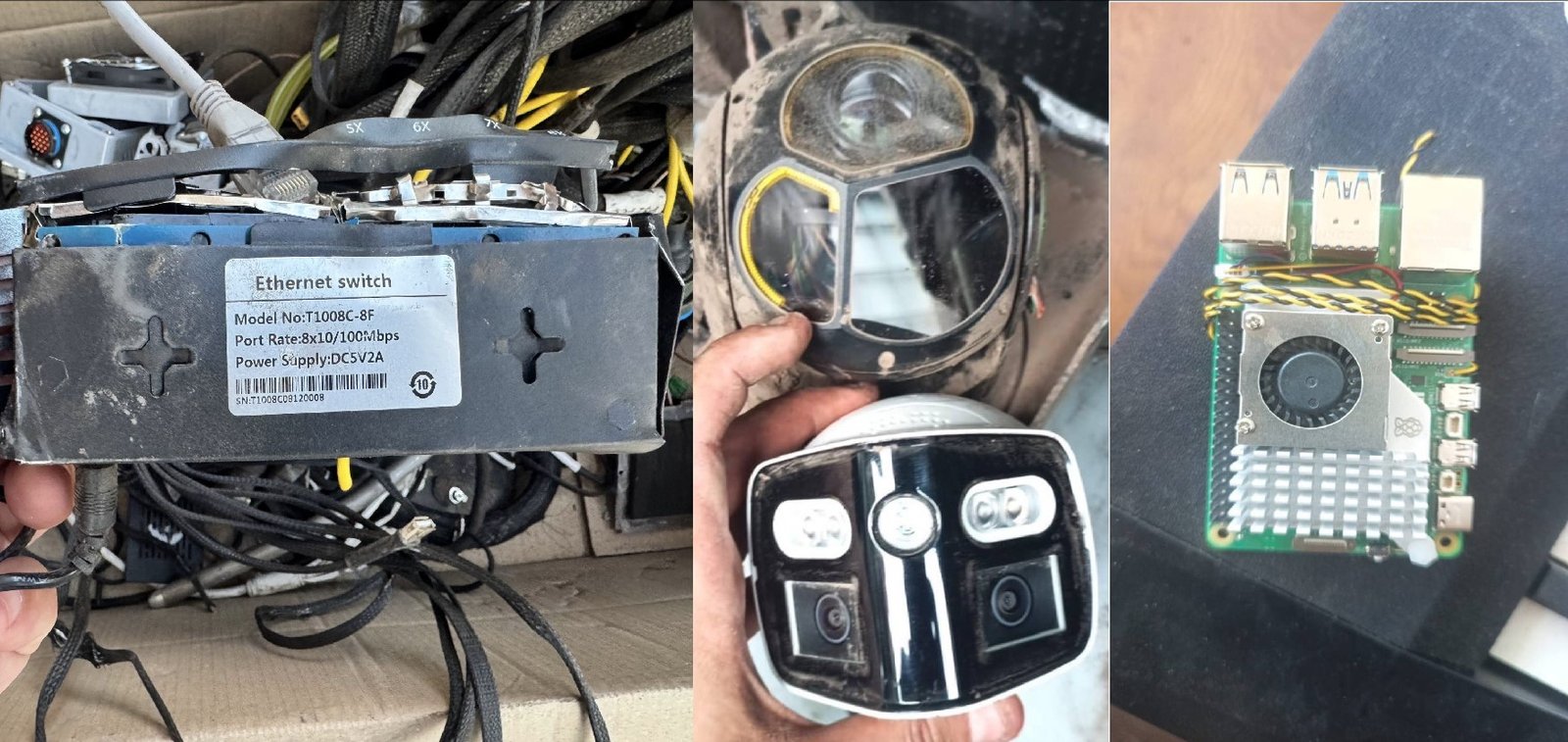
One of the main upgrades is a dual-camera arrangement connected to a mesh modem through an onboard Ethernet switch.
One camera provides a rearward view, allowing operators to monitor the surrounding airspace and maintain situational awareness during flight. The second forward-facing camera is designed for target acquisition and includes zoom capability. Analysis of the recovered drone showed that this optical unit also includes day and thermal imaging functions as well as a laser rangefinder, enabling operators to identify and measure the distance to intended targets.
The system allows the operator to locate and lock onto a target before the drone begins its final attack phase.
Autonomous Terminal Guidance
The Seeker variant also incorporates an automatic target recognition (ATR) system supported by onboard processing built around a Raspberry Pi single-board computer architecture.
During an attack, the operator uses the drone's camera feed transmitted through the mesh network to identify a target, typically from approximately one kilometer away. After the target is selected and locked, the onboard guidance system takes control of the final approach.
This autonomous terminal guidance enables the UAV to continue toward the designated target even if communication with the operator is interrupted during the final stage of flight.
Mesh Network and Telemetry
The upgraded drone uses mesh-network modems with dedicated antennas to maintain communication between the UAV and its operator. Unlike conventional direct radio links, mesh networking is designed to route data through multiple available paths, supporting command transmission and live video feeds.
The Geran-2 recovered near Odesa was also fitted with a commercial LTE modem. According to the available analysis, this modem is used for transmitting real-time flight telemetry.
Designed for High-Priority Targets
Ukrainian radio-technology specialist and Defense Ministry adviser Serhii Beskrestnov, known by the callsign Flash, described the Seeker as a modification intended to locate and strike particularly important targets.
According to the available information, the Seeker equipment package can be integrated into Geran-2 through Geran-4 airframes. Jet-powered Geran-4 Seeker variants have also appeared more frequently in recent months.
The combination of electro-optical sensors, thermal imaging, operator video transmitted through the mesh network, onboard target recognition, and autonomous terminal guidance enables the drones to engage both fixed and moving targets.
Similar Systems Observed on Other UAVs
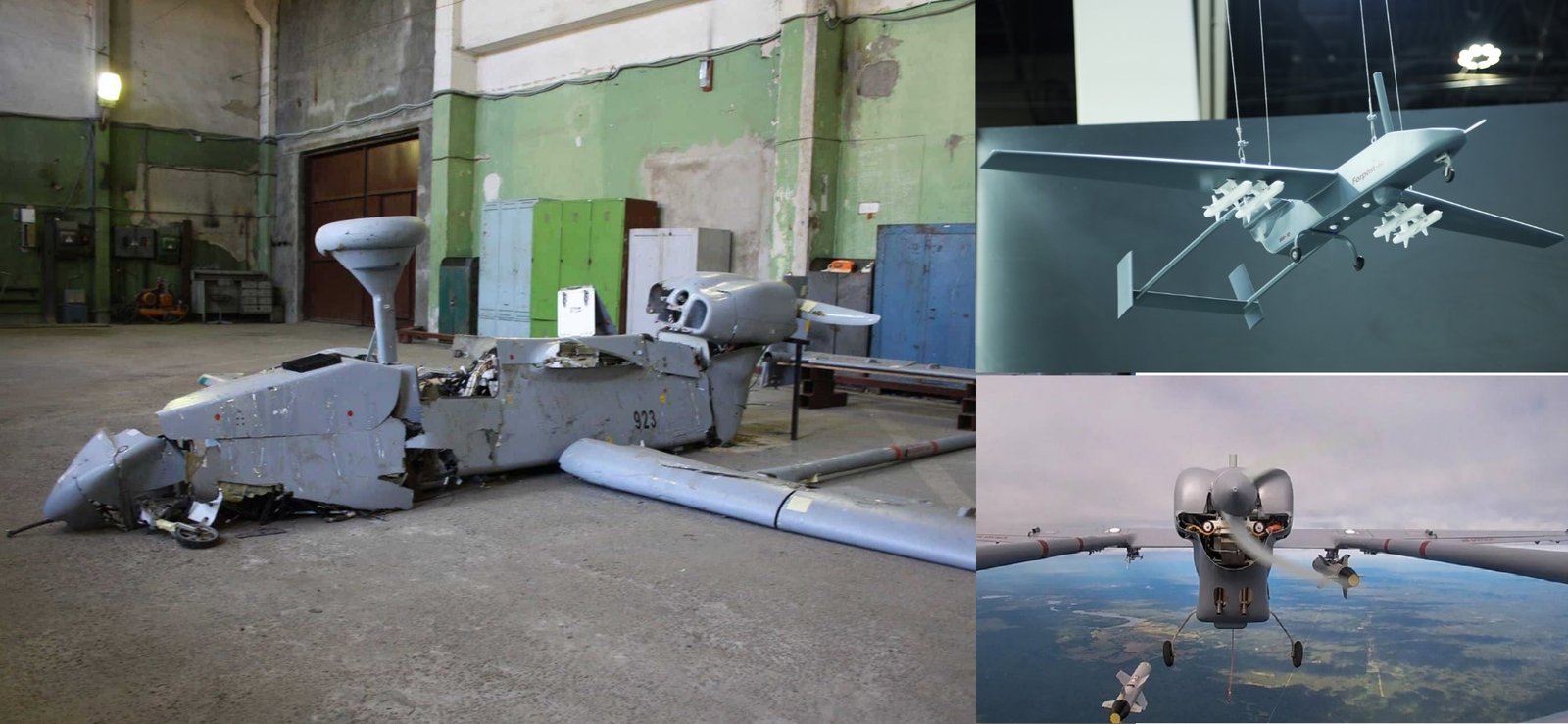
Open-source analysis has also identified similar camera systems, mesh communication equipment, and autonomous terminal-guidance components on Gerbera unmanned aerial vehicles, suggesting that these technologies are being adopted across related drone platforms.
The Seeker modification represents an incremental development of the long-range Geran UAV family. Based on the analysis of recovered airframes, statements from Ukrainian specialists, and publicly available imagery, the upgraded configuration introduces enhanced sensing, communication, and terminal guidance capabilities while maintaining the overall design of the Geran platform.
——— End of Article ———