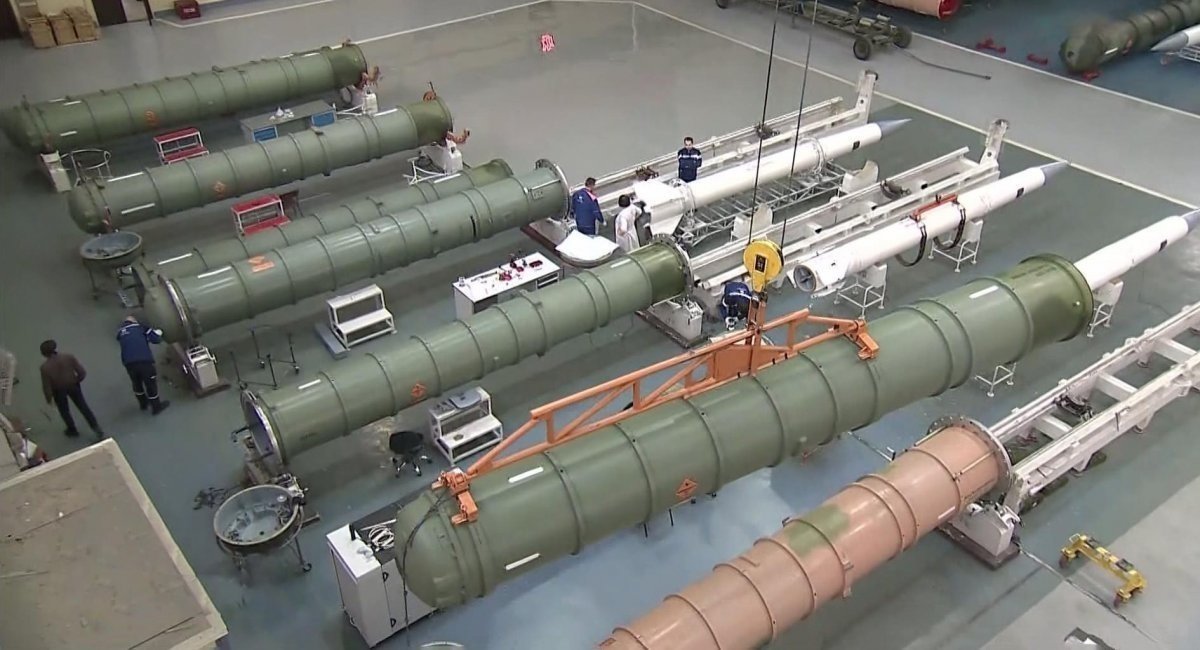
KYIV — Russia has suspended production of its Kh-47M2 Kinzhal air-launched ballistic missile and Kh-32 cruise missile, redirecting components, missile fuel and other resources toward missile systems that Ukraine’s Defence Intelligence says are considered more effective.
Major General Vadym Skibitskyi, deputy head of Ukraine’s Defence Intelligence (DIU), disclosed the production changes in an interview with RBC-Ukraine published on August 10, 2026. According to Skibitskyi, the suspension of production began in April.
Kinzhal Production Suspended
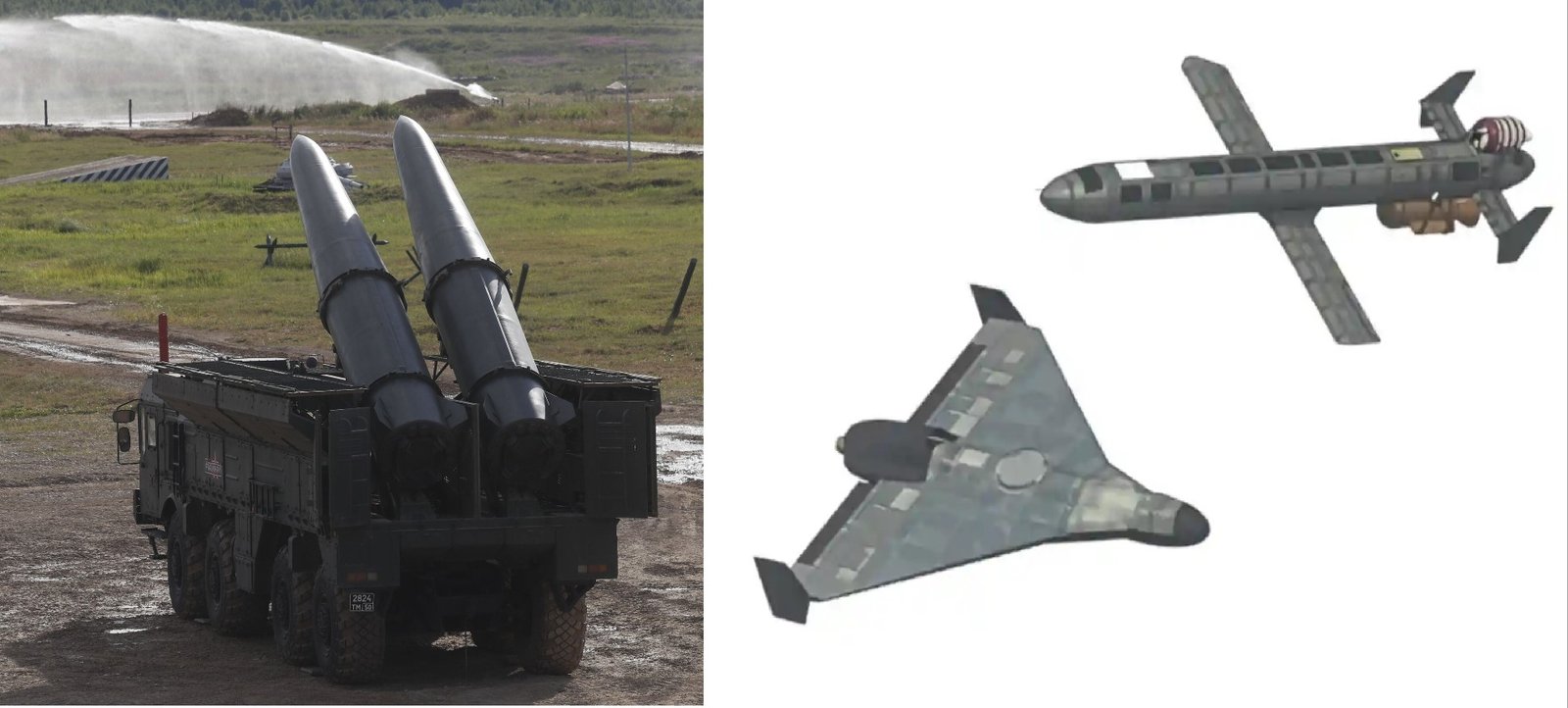
The Kinzhal is an air-launched missile carried by Russia’s MiG-31K aircraft. Russia introduced the system publicly in 2018 and has described it as a high-speed weapon derived from the Iskander-M missile system.
According to Skibitskyi, accuracy problems are one of the reasons behind the decision to stop production. He said that an effective guided missile should have a deviation of no more than 5–7 metres, while the Kinzhal has reportedly shown deviations of 30 metres or more.
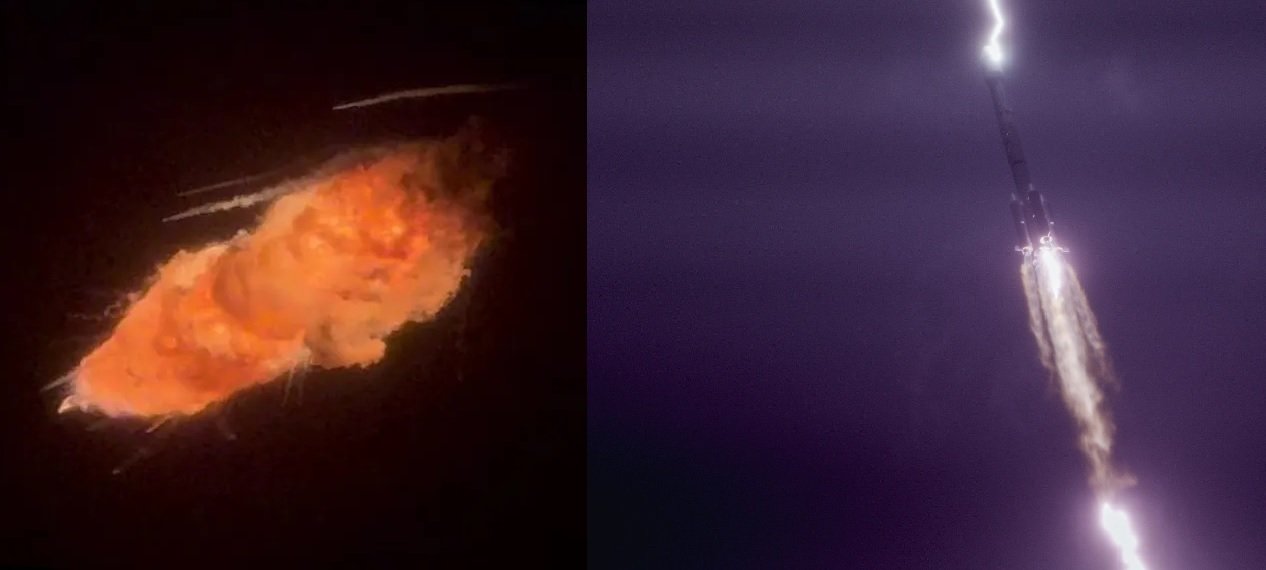
Ukrainian forces have also previously reported intercepting Kinzhal missiles using Patriot air-defence systems.
The production suspension does not mean that Russia has permanently cancelled the Kinzhal programme or withdrawn the MiG-31K aircraft used to launch the missile. Instead, the move described by DIU represents a change in production priorities.
Kh-32 Returned for Further Development
Russia has also suspended serial production of the Kh-32, an upgraded version of the Soviet-era Kh-22 missile.
According to Skibitskyi, Russian engineers attempted to improve the Kh-32's accuracy and range, but the modifications did not achieve the required results during several combat tests. The missile was subsequently returned for further development, while serial production was suspended.
Russian forces have used Kh-22-family missiles against targets in Ukraine, including land targets, despite the system originally being developed as an anti-ship weapon.
Resources Shifted to Other Missiles
DIU says the suspension of Kinzhal and Kh-32 production has allowed Russia to redirect missile fuel, components and financial resources toward other missile programmes.
Skibitskyi said Russia is currently producing its main missile types at between 110% and 120% of planned monthly targets.
July production figures cited by him include:
| Missile | July production | Planned production | Target completion |
|---|---|---|---|
| Kh-101 | 87 | 72 | 140% |
| Kalibr | 29 | 26 | 111% |
| Kh-35 | Not specified | Not specified | 200% |
| Iskander-M 9M723 | 65 | 60 | Above target |
The Kh-101 is a long-range cruise missile, while Kalibr missiles are launched from Russian naval platforms. The 9M723 is the ballistic missile used by the Iskander-M system.
DIU also reported that, by August 3, Russia had already met its full-year production targets for 33 Zircon hypersonic missiles and 60 modernised Oniks missiles.
According to the same assessment, Russia had about 130 9M723 missiles in its stockpile allocated to its forces as of August 5.
Skibitskyi said Ukrainian intelligence has documentary evidence covering Russian missile-production plans and actual production. He also stated that some Kh-101 missiles that fail during launch are returned to production facilities for inspection and repair.
New Banderol Munition Used From Helicopters
Alongside changes to missile production, Russian forces are also introducing new methods of deploying other strike weapons.
Skibitskyi confirmed that the Banderol loitering munition is being launched from Russian helicopters. Ukrainian Defence Intelligence had previously reported efforts to adapt the system for use with Mi-28 attack helicopters.
DIU has also reported that work is underway to enable the munition to be launched from fixed-wing aircraft.
The Banderol, also referred to as Banderole or S8000 in Ukrainian reporting, has been associated with Russia's Kronstadt company and the Orion unmanned aircraft system. Ukrainian intelligence has previously reported a range of up to 500 kilometres, a speed of about 500–600 km/h and a warhead weighing up to approximately 150 kg.
The reported production changes show that Russia is directing more resources toward missile systems that its defence industry is currently able to produce in larger quantities, while the Kinzhal and Kh-32 programmes remain suspended or under further development, according to Ukraine's Defence Intelligence.
The claims about Russian production levels and the reasons for the suspensions come from Ukrainian intelligence and should therefore be understood as Ukrainian assessments rather than independently verified Russian production data.
——— End of Article ———