ATHENS, Greece — Greece is preparing to approve a €3 billion package of Israeli-made air and missile defense systems that will form the foundation of its new "Achilles’ Shield" integrated air defense network. Final authorization is expected from the Government Council for National Security (KYSEA), marking a major step in the country's long-term military modernization program.
The procurement is part of Greece's broader defense modernization plan, valued at €28 billion and scheduled to run through 2036. The program aims to replace aging Soviet-era air defense systems, including the S-300, OSA-AK, TOR-M1, and Hawk batteries, while strengthening the country's air and missile defense capabilities.
Once operational, the Achilles’ Shield network will provide a multi-layered air defense architecture designed to counter a range of aerial threats, including drones, cruise missiles, aircraft, and tactical ballistic missiles.
Multi-Layered Air Defense Network
Under the proposed government-to-government agreement with Israel, Greece plans to acquire several Israeli air defense systems.
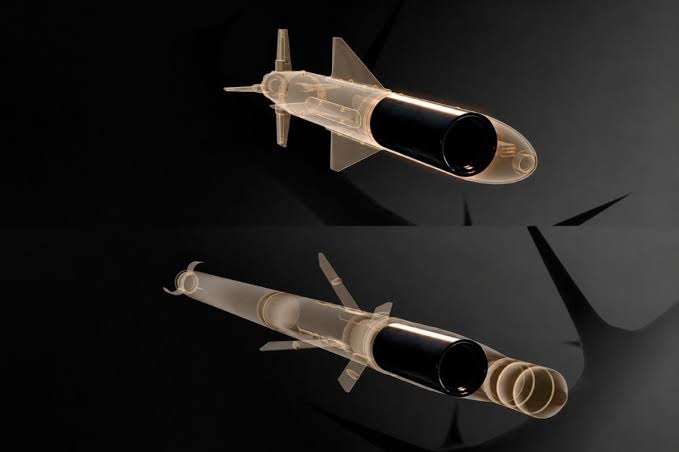
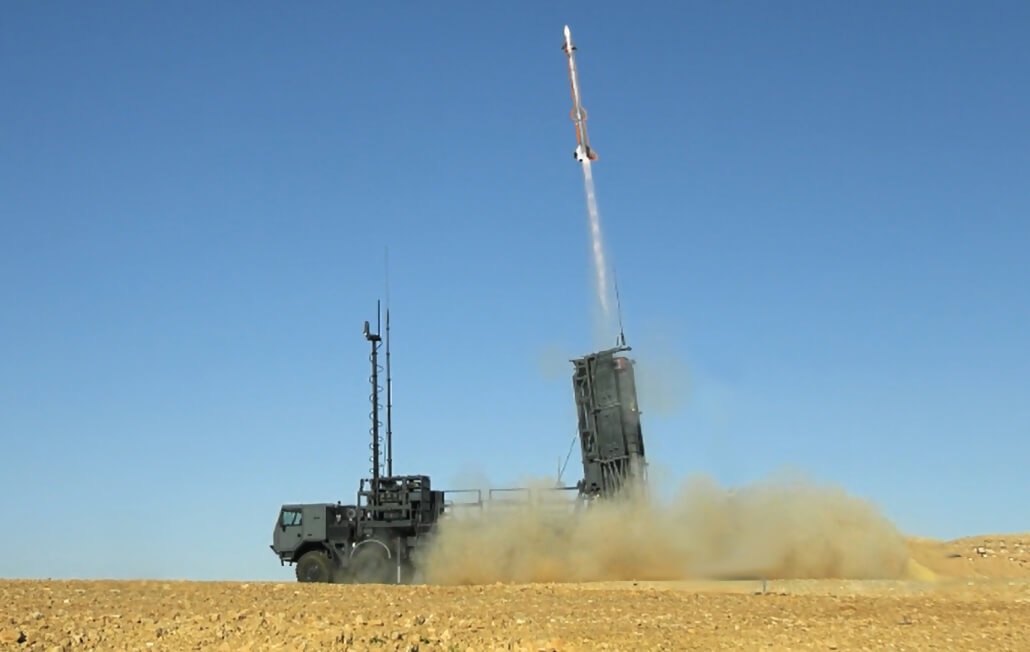
The package includes Rafael Advanced Defense Systems' SPYDER All-in-One and David's Sling, along with the Barak MX air defense system developed by Israel Aerospace Industries (IAI).
David's Sling is intended to provide protection against tactical ballistic missiles and other longer-range aerial threats, forming the middle and upper layer of the defense network.
The Barak MX and SPYDER systems will provide short- to medium-range air defense, with the ability to engage drones, helicopters, aircraft, cruise missiles, and precision-guided threats.
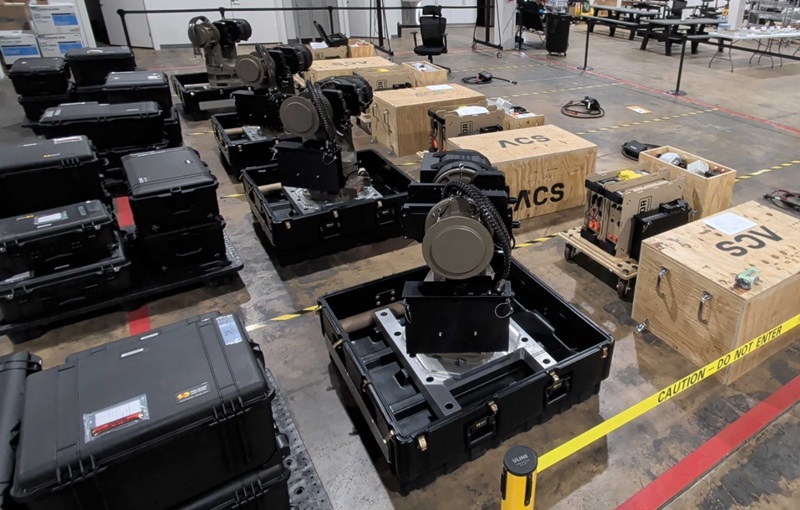
The network will also incorporate EL/M-2084 Multi-Mission Active Electronically Scanned Array (AESA) radars supplied by ELTA, a subsidiary of IAI. According to the available information, each mobile radar can track up to 1,200 airborne targets at ranges of up to 475 kilometers.
Rather than operating as separate air defense batteries, Achilles’ Shield is designed as an integrated network in which radar and target information will be shared across multiple systems. The network is also planned to operate alongside Greece's upgraded F-16 Viper fighter aircraft, future F-35 fighters, and Belharra-class frigates.
Greek Industry Participation
A key requirement of the program is domestic industrial participation. The Greek Ministry of National Defense has required that at least 25% of the program's value involve local industry.
Greek companies, including Hellenic Aerospace Industry (HAI) and Intracom Defense, are expected to participate in manufacturing, assembly, and support activities. Their work is expected to include the production of selected components, maintenance support, and the development of the central Command, Control, Communications, Computers, and Intelligence (C4I) system that will coordinate the different layers of the Achilles’ Shield network.
The arrangement is also expected to support technology transfer and enable Greek companies to participate in the future supply chains of Rafael and IAI while expanding domestic maintenance capabilities.
Part of Wider Defense Modernization
The Achilles’ Shield project is one of the largest individual programs within Greece's long-term defense modernization effort.
In addition to air defense, the modernization plan includes upgrades to the F-16 Viper fleet, the acquisition of F-35 fighter aircraft, naval modernization programs, artillery systems, transport aircraft, and unmanned systems.
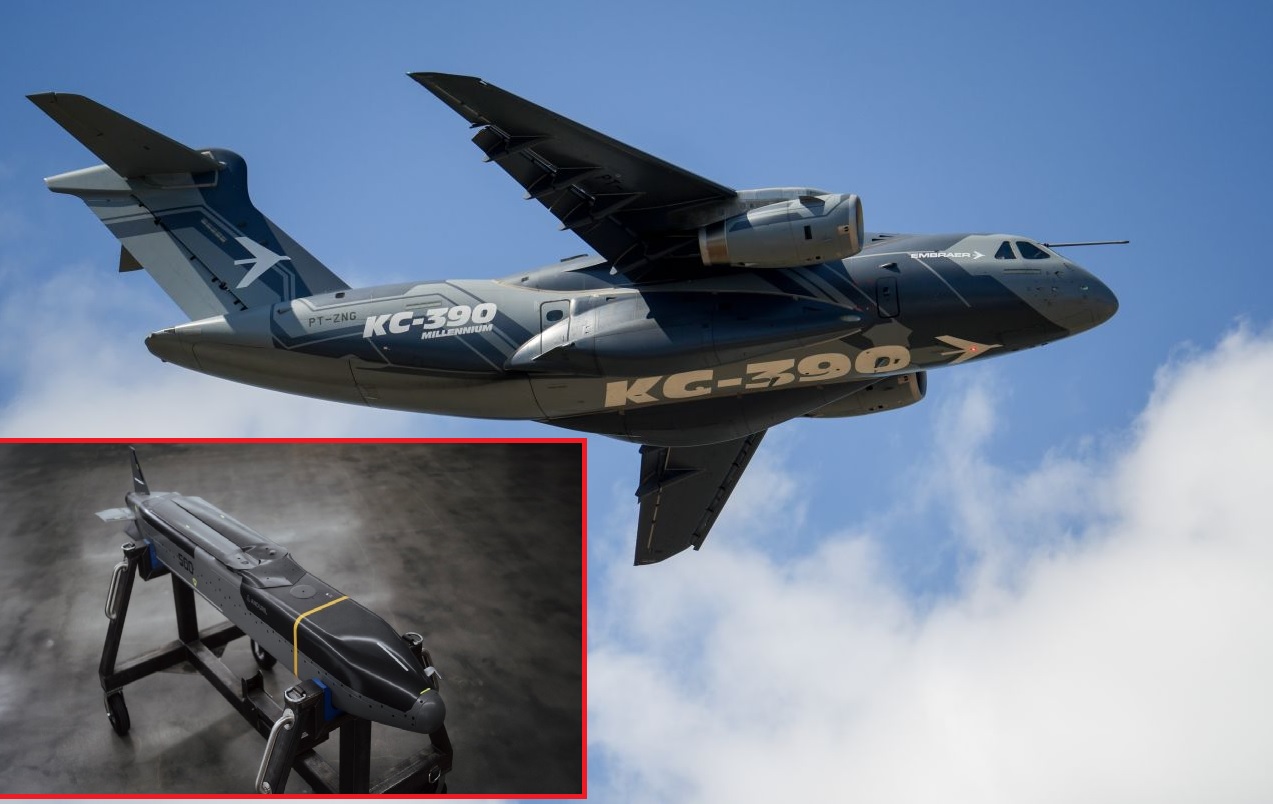
The package currently under KYSEA's review also includes additional defense equipment, including V-BAT vertical takeoff unmanned aircraft for army surveillance, Heron unmanned aerial vehicles, British-built mini-submarines, and C-390 Millennium transport aircraft.
Greece-Israel Defense Cooperation
The planned procurement reflects the growing defense partnership between Greece and Israel.
In April 2026, Greece signed a $750 million agreement with Israel's Elbit Systems for PULS multiple rocket launchers. Greece, Israel, and Cyprus also continue to conduct joint military exercises focused on regional security and the protection of energy infrastructure in the Eastern Mediterranean.
Following KYSEA's approval, representatives from Israel's Defense Export and International Cooperation Directorate (SIBAT) are expected to travel to Athens to finalize contracts with Greece's General Directorate for Defense Armaments and Investments under the government-to-government agreement.
Implementation of the program is expected to take place over several years as Greece continues its long-term military modernization through 2036.
Source : ekathimerini
——— End of Article ———