BAUTZEN, Germany — Czechoslovak Group (CSG) has acquired a 57-hectare industrial site in Gnaschwitz, Saxony, from chemical and explosives manufacturer MAXAM, marking another step in the company's strategy to strengthen Europe's defence supply chain and expand the production of critical energetic materials.
The acquisition was completed through CSG Energetic Materials Germany GmbH, the group's German subsidiary. While the financial terms of the land purchase were not disclosed, CSG said it will invest more than €100 million during the first phase of development.
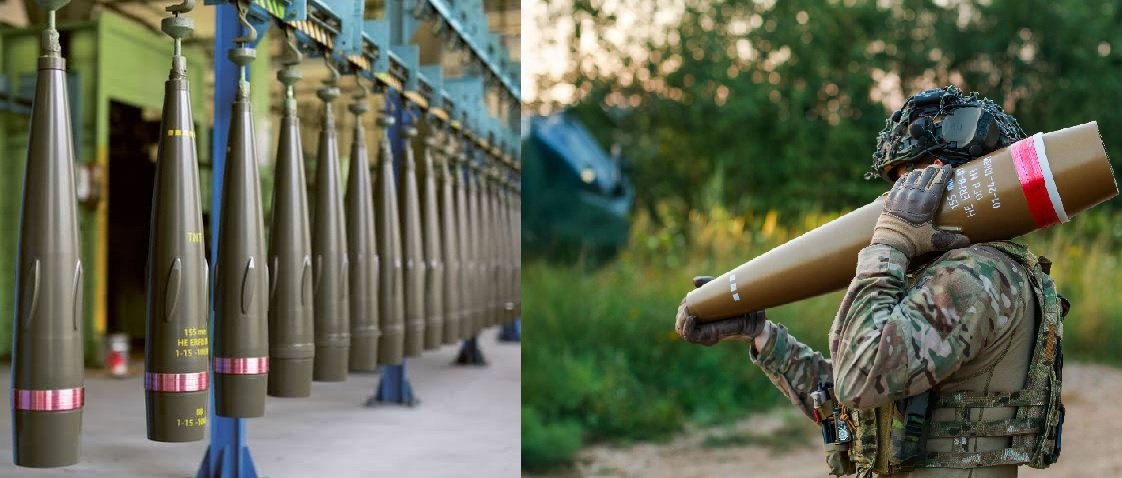
The investment will establish production facilities for nitroglycerin and nitroglycerin-based products, which are key raw materials used in propellant charges for small-, medium-, and large-calibre ammunition. The site will also manufacture ammunition and ammunition components.
According to the company, the project is expected to create up to 125 new jobs once the planned developments are fully operational.
Second Strategic Production Site in Germany
The Gnaschwitz facility becomes CSG's second production site in Germany, following its acquisition of the MSM Walsrode plant in Bomlitz, Lower Saxony.
That transaction involved the purchase of a nitrocellulose production facility and industrial park from U.S.-based International Flavors & Fragrances (IFF). The agreement was signed in October 2024 and completed in May 2025.
At the Walsrode facility, CSG has been expanding production of industrial nitrocellulose, another essential material used in propellants, explosives and artillery ammunition.
In June 2025, the company also announced plans to establish its own military-grade nitrocellulose production capacity within two years. Nitrocellulose has both civilian and military applications and, together with nitroglycerin, forms a critical part of the manufacturing process for propellants and explosives used in large-calibre artillery ammunition.
Building a Vertically Integrated Ammunition Supply Chain
By bringing production of both nitrocellulose and nitroglycerin under its control, CSG is creating a vertically integrated production chain for large-calibre artillery ammunition.
The company said this integrated manufacturing network will cover the complete production process, including energetic raw materials, explosives, propellant charges, shell bodies, and the final assembled ammunition.
Nitroglycerin produced at the Gnaschwitz facility will supply both CSG's Medium & Large Calibre and Ammo+ divisions, as well as external customers.
Site Offers Capacity for Future Expansion
The Gnaschwitz industrial site has a history in energetic materials production dating back to 1874.
CSG said the site's existing infrastructure provides significant room for future expansion, including the possible production of medium-calibre ammunition, 120 mm mortar ammunition, and tank ammunition. Even after the current investment phase is completed, the company said substantial capacity will remain available for further development.
Expansion into the United States
Alongside its investments in Europe, CSG is also expanding its manufacturing presence in the United States.
The company plans to establish jet engine production for unmanned aerial systems (UAS) through Firecrest Aerospace, a joint venture created by CSG subsidiaries CSE USA and AviaNera Technologies, a Czech company specializing in compact, high-performance propulsion units for unmanned aviation.
The U.S. project includes an initial investment of up to USD 15 million in Stevens Point, Wisconsin. Assembly operations are expected to begin in the coming months, with larger-scale production planned for 2027.
Company Statement
Commenting on the acquisition, Jan Marinov, CEO of CSG Defence Systems, said the Gnaschwitz investment strengthens the group's vertical integration while improving the security of supply for strategic energetic materials and supporting the resilience of the European defence industrial base.
The combined investments in Germany and the United States reflect CSG's strategy to expand its manufacturing capabilities, strengthen production of critical energetic materials, and support ammunition manufacturing through an integrated industrial supply chain.
——— End of Article ———