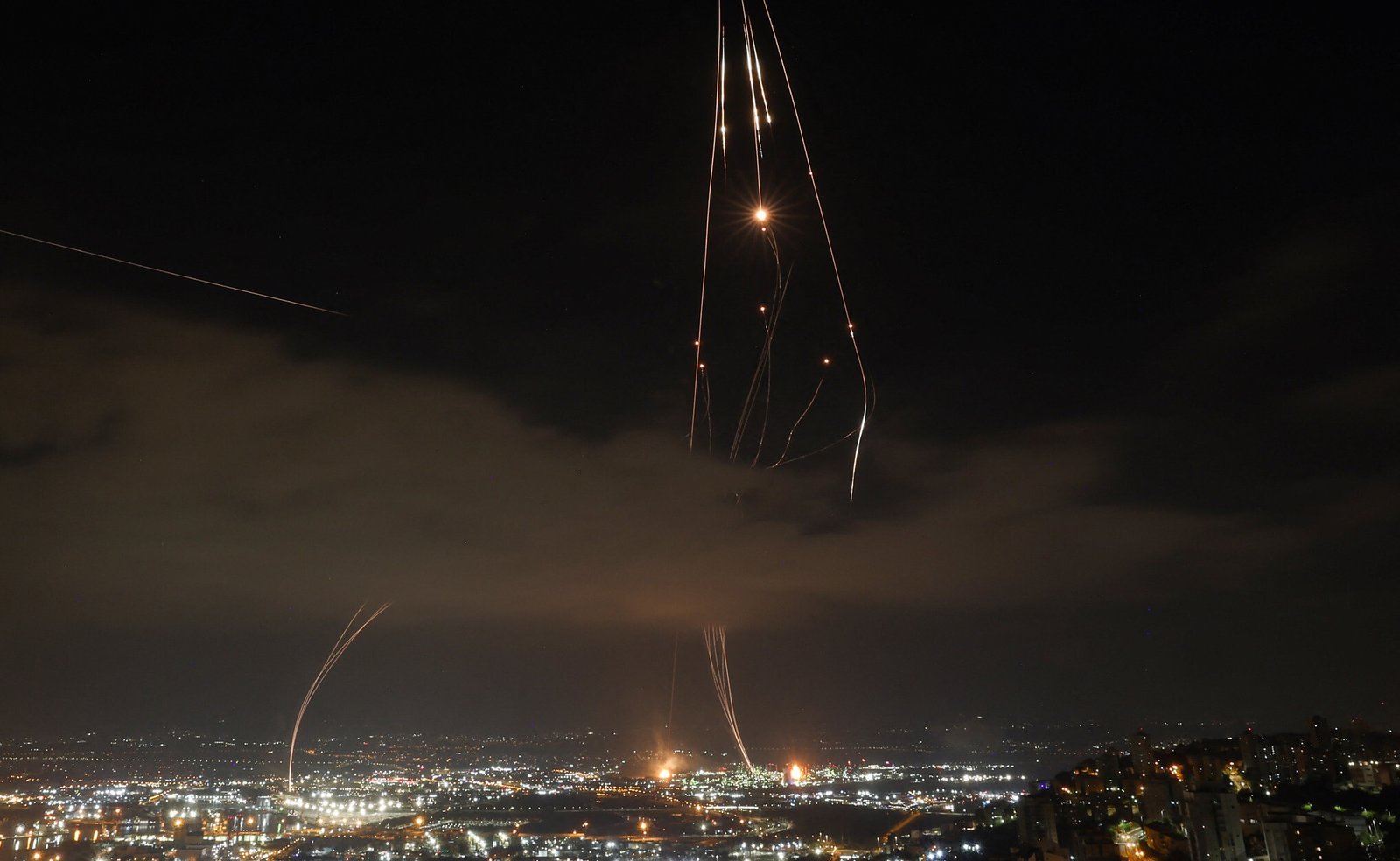
Saudi Arabia — Saudi Arabia used about 86% of its 2,800 Patriot PAC-3 interceptor missiles during the first 38 days of combat with Iran, leaving roughly 400 missiles, according to Reuters. The depletion highlights the pressure that sustained missile attacks have placed on air-defense inventories across the United States and Gulf region.
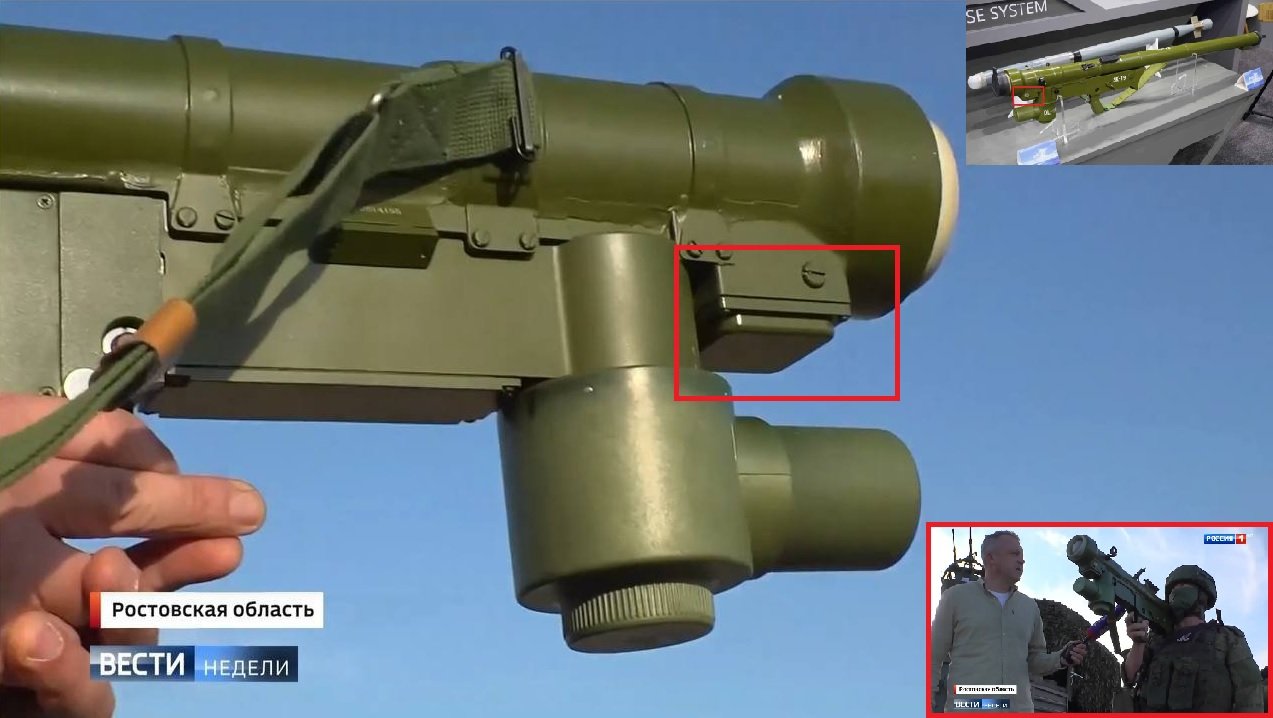
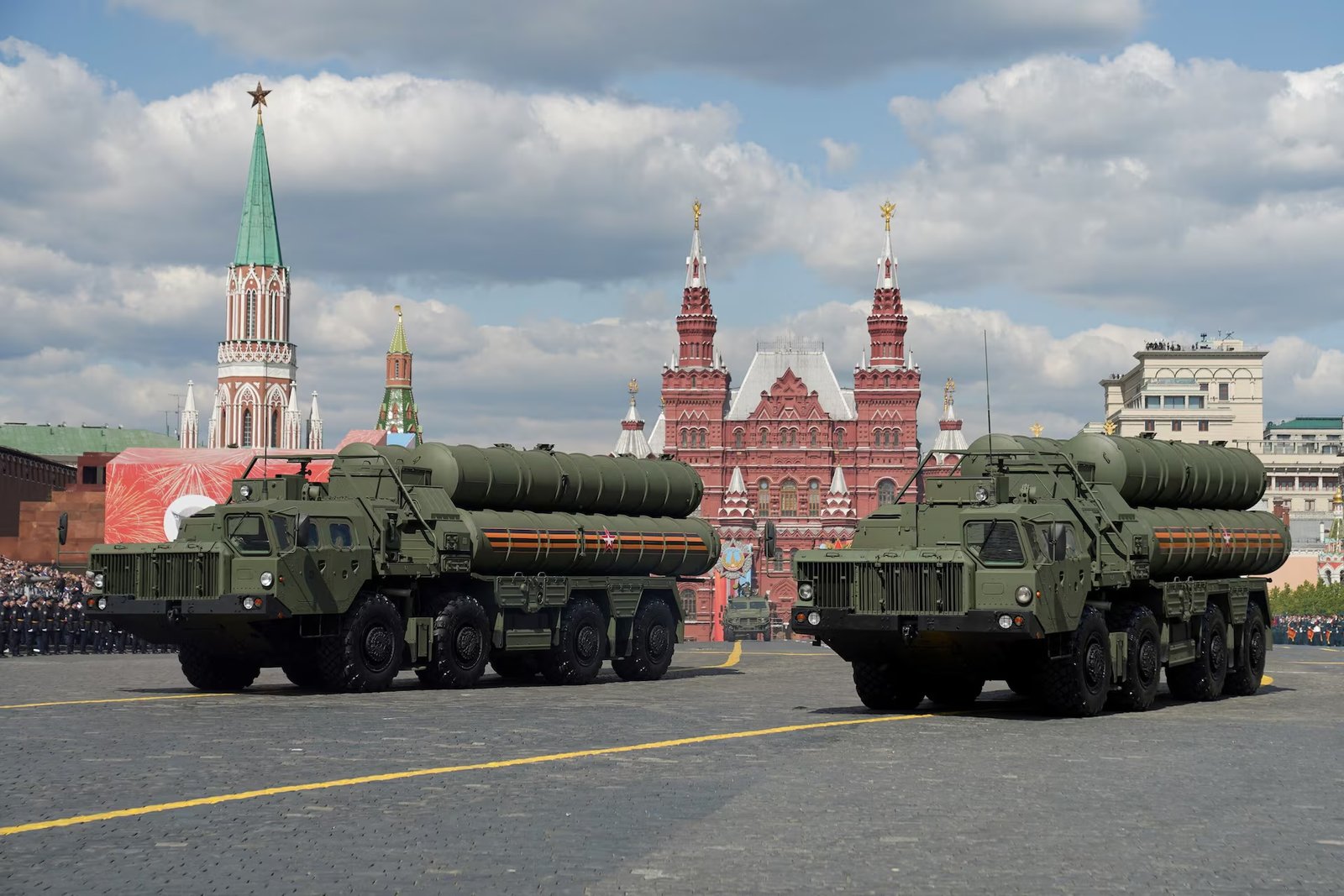
The U.S. Patriot system is a mobile surface-to-air missile defense system capable of engaging aircraft, tactical ballistic missiles and cruise missiles. The PAC-3 family uses hit-to-kill technology, with the PAC-3 Missile Segment Enhancement (MSE) produced by Lockheed Martin.
U.S. inventories have also fallen significantly. The Center for Strategic and International Studies (CSIS) estimates that around 65% of U.S. Patriot interceptors were expended between February and July, reducing the stock from about 2,330 before the Iran war to fewer than 850. CSIS also estimated that U.S. THAAD interceptor stocks had fallen to about 250.
To replenish Gulf inventories, the United States has approved the sale of 5,250 Patriot interceptors to Bahrain, Kuwait, Qatar and the United Arab Emirates.
The U.S. Army has also awarded Lockheed Martin a contract worth up to $58.6 billion for Patriot interceptor production. Reuters reported that the agreement is intended to expand production as the United States and its allies work to rebuild depleted missile stocks.
The production challenge is significant because Patriot interceptors are being demanded by multiple countries at the same time. CSIS has warned that rebuilding U.S. missile inventories will take several years, while the Pentagon has sought additional funding to accelerate ammunition production.
——— End of Article ———